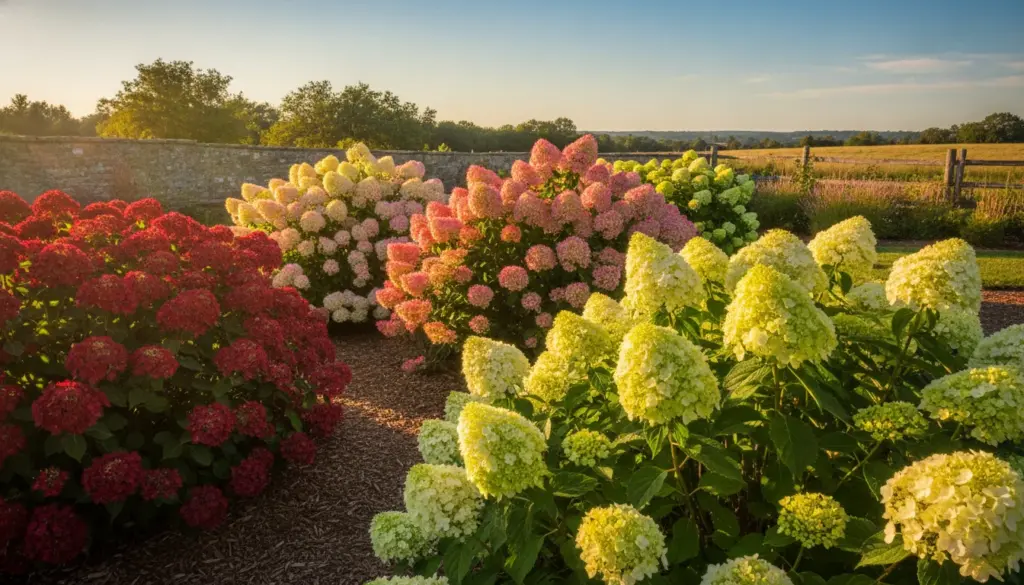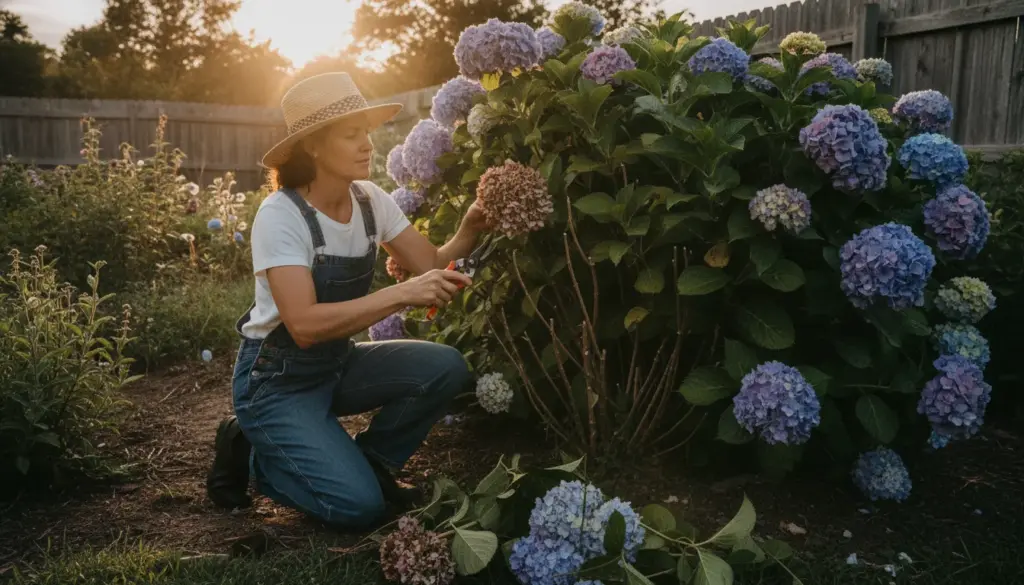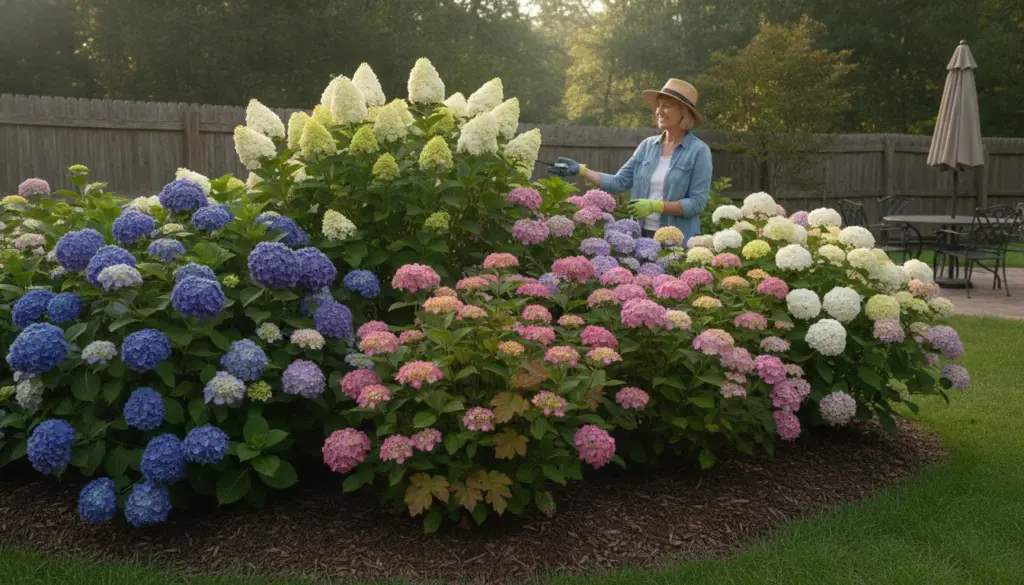
As summer temperatures continue to climb, our backyard green spaces are increasingly feeling the burn. But there is absolutely no need to panic. Implementing a few brilliant horticultural strategies can easily defend your beloved flora against severe temperature spikes while simultaneously reducing your daily water consumption.
Changing weather patterns have undeniably altered how we must manage our outdoor sanctuaries. Prolonged droughts paired with intense sunshine inevitably lead to exhausted, thirsty foliage. Horticulture expert Dr. Lutz Popp points out that taking the right preventative steps not only preserves your backyard oasis but also eliminates a massive amount of unnecessary labor and heartbreak.
Smart Mulching and Watering Techniques
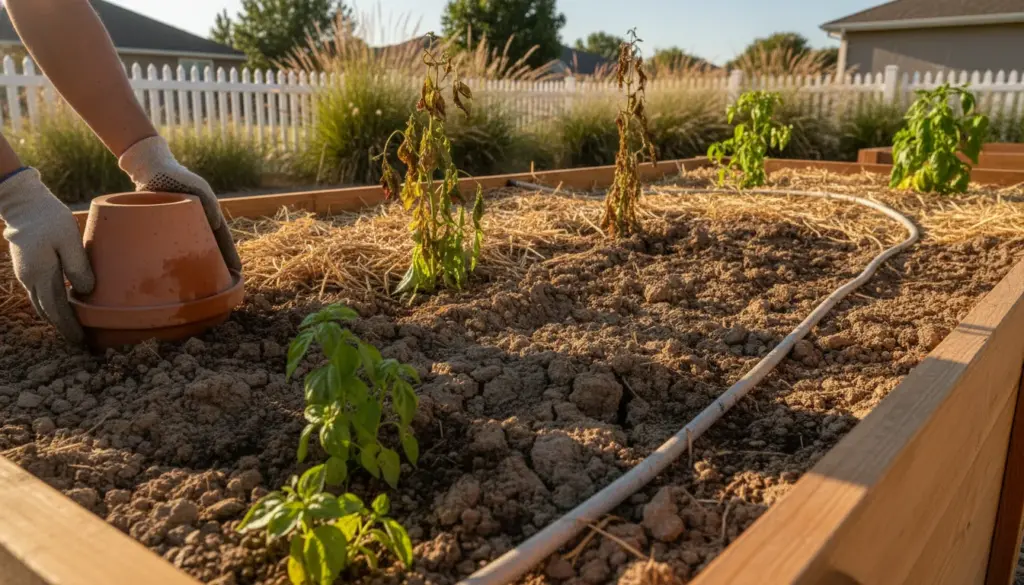
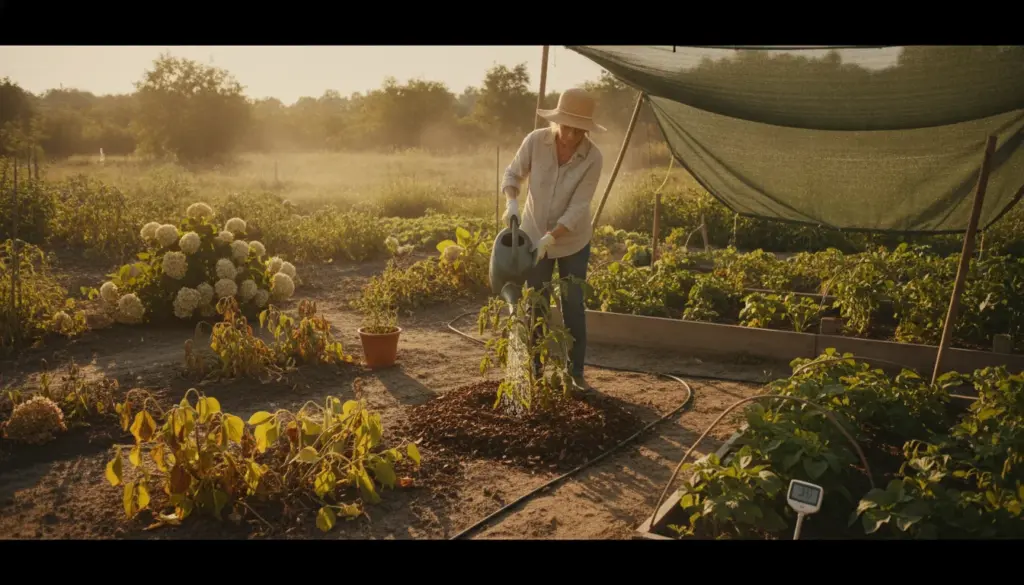
Applying a protective layer of mulch remains one of the absolute best defenses against extreme warmth. Simply spreading grass clippings or straw creates a powerful insulating barrier over the earth. This shield prevents the ground from baking, significantly lowers moisture loss through evaporation, and drastically cuts down on your irrigation duties.
The equation is incredibly simple: effective mulching equals less watering, leaving you with far more free time to actually relax in your outdoor haven. However, even when you do need to turn on the hose, a few adjustments make a huge difference.
Essential Hydration Rules for Scorching Days
- Hydrate at dawn: Provide moisture during the early morning hours, allowing the liquid to penetrate deeply into the soil before the midday sun burns it off.
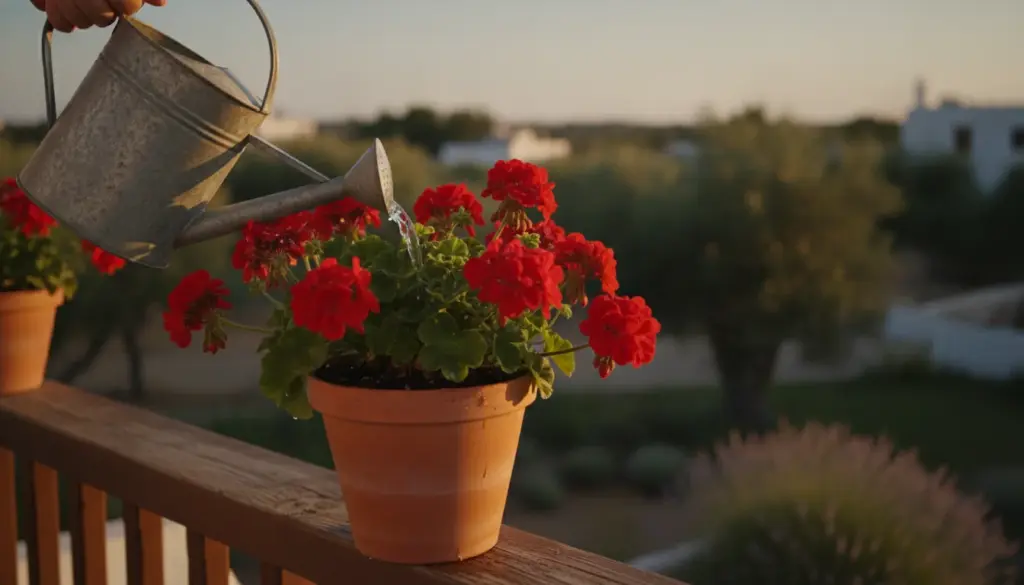
- Focus on the roots: Always deliver water directly to the base of the vegetation rather than sprinkling the leaves overhead.
- Soak thoroughly, but less often: Avoid giving your greenery a tiny splash every single day. Instead, drench the soil generously every couple of days to stimulate deeper root growth, resulting in far more resilient vegetation.
If you prefer to skip the mulching step but still want to conserve resources, an age-old gardening proverb offers a fantastic alternative: hoeing once saves watering twice. Consistently breaking up the top layer of dirt effectively disrupts the tiny soil capillaries. This simple mechanical disruption traps precious moisture underground for much longer periods.
Selecting the Right Flora for a Climate-Resilient Backyard
Preparing your green space for future heatwaves means transitioning toward species that naturally thrive in arid conditions. While shifting climate zones present distinct hurdles, they also open the door to cultivating crops that previously could not survive in cooler regions. Building a diverse botanical portfolio is the ultimate secret to a tough, weather-resistant landscape.
- Heat-tolerant vegetables: Consider planting summer purslane, asparagus beans, and hyacinth beans. You can also successfully grow warmth-craving varieties like eggplants, sweet potatoes, and chickpeas.
- Sturdy deep-rooting crops: Root vegetables such as parsnips, carrots, and black salsify, along with leafy greens like Swiss chard and beetroot, naturally demand far less irrigation.
- Drought-resistant trees and shrubs: When adding new woody plants to your yard, forward-thinking choices like the manna ash, Montpellier maple, or the Thuringian whitebeam provide excellent long-term survival rates.
The practical advantages of adapting your botanical selection are undeniable. Creating a climate-adjusted outdoor space with specialized varieties reduces your overall water footprint and minimizes maintenance chores. Most importantly, it guarantees a bountiful harvest even when the dog days of summer hit their absolute peak.
Planning ahead with these resilient choices ensures you will enjoy a lush, shade-providing sanctuary that stands strong against the heat for decades to come.