Keeping your geraniums hydrated during a heatwave doesn’t have to be a complicated chore. With the right timing, a quick soil check, and proper drainage, these resilient bloomers will continue to thrive even when temperatures push past 30 degrees Celsius.
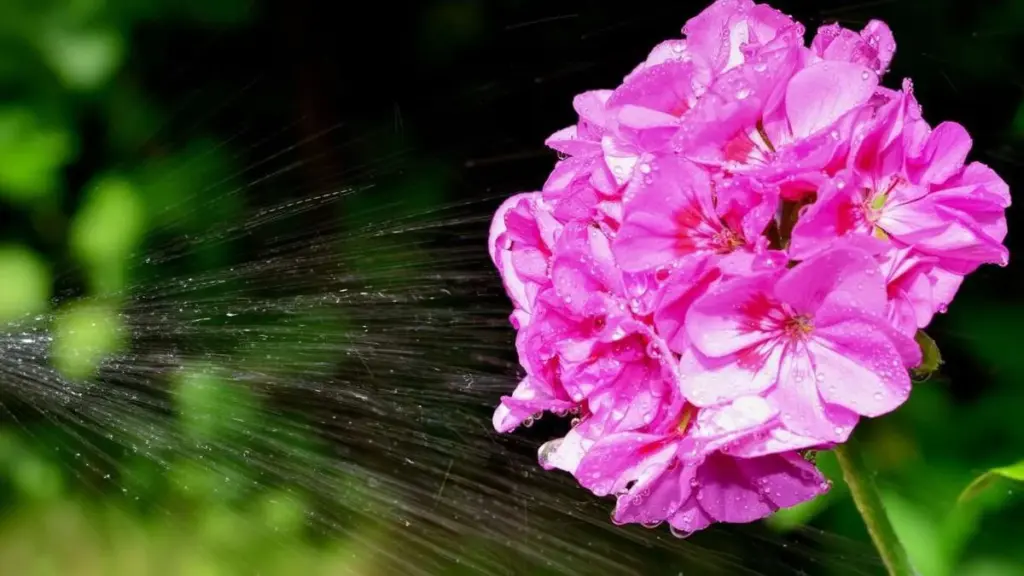
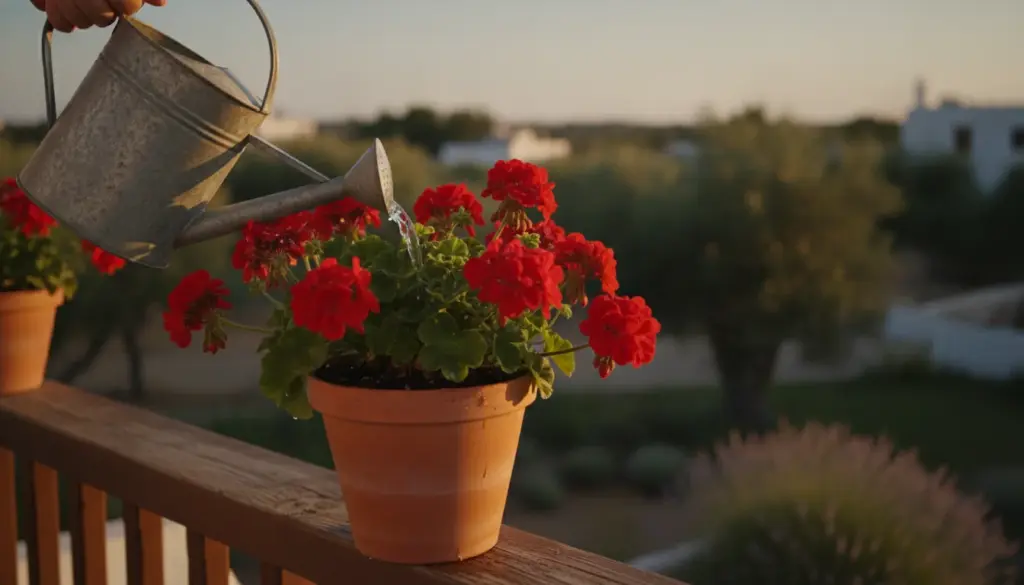
While it might feel like you need to constantly monitor your balcony blooms, pelargoniums are actually natural sun-worshippers. Hailing from the sun-drenched regions of South Africa, they are uniquely equipped to handle soaring temperatures much better than your average summer flower. However, to maintain that vibrant display of blossoms, delivering hydration at the absolute right moment is crucial.
Watering Geraniums in the Heat: An Effective 1-Minute Plan
Because of their thick, fleshy leaves, pelargoniums can easily buffer short dry spells by storing excess moisture. This gives them a massive advantage over more fragile blooming plants. Yet, if the dry period stretches on too long, you will notice a significant drop in their flower production.
The secret is consistent hydration rather than attempting a desperate rescue mission once the foliage has already wilted. On sweltering summer days, it is always best to provide moisture during the much cooler morning hours or late in the evening. During these specific windows, the root systems are far more capable of absorbing what they need to survive intense heat.
You honestly only need a fraction of your day to ensure your balcony displays stay in pristine condition. Simply run through this rapid checklist to evaluate your plants effectively:
- 👉 The Finger Test: Are the top two to three centimeters of soil completely dry? If so, reach for the watering can.
- 👉 Pot Weight: Lift the container slightly. A surprisingly light pot usually indicates severe moisture loss.
- 👉 Leaf Condition: Do the leaves and stems look dull or feel unusually soft? They are thirsty.
- 👉 Soil Temperature: If the potting mix feels burning hot in the afternoon, wait and re-check the conditions that evening.
When you do water, make sure to do so thoroughly until a tiny amount of liquid trickles out of the bottom. This deep-soak method ensures that the life-giving moisture actually makes its way down to the deepest roots. Giving your blooms tiny, frequent sips is a common pitfall; it only dampens the top layer of dirt while leaving the actual plant parched.
The Exact Amount of Water for Geraniums
A solid benchmark is to provide at least one large glass of liquid per individual plant. The ultimate goal of your watering routine should always be to fully moisten the surrounding earth. To achieve this, aim to add an amount of water that equals roughly ten percent of the container’s total volume.
For example, a standard 80-centimeter window box will absorb approximately 2.5 liters. You can easily find various volume calculators online to figure out the exact capacity of uniquely shaped pots, but the “one large glass” rule of thumb rarely fails.
Just remember that totally parched earth requires a bit of time to swell and absorb effectively. Therefore, it is highly recommended to pour in small, steady increments rather than flooding the surface all at once.
Soil and Pots: Maximizing Storage While Preventing Waterlogging
These resilient blooms flourish best in structurally stable potting soil that retains moisture but still allows plenty of oxygen to reach the root system. This specific balance is essential for steady nourishment. If your schedule doesn’t allow for midday touch-ups, containers with built-in reservoirs or automatic drip systems are excellent investments.
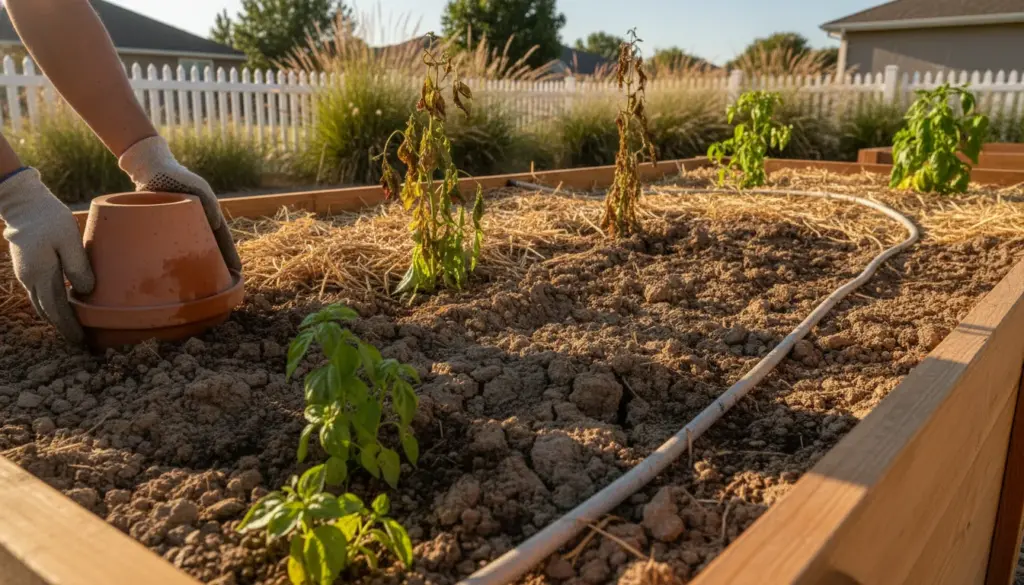
No matter what container you choose, always ensure the drainage holes remain completely unblocked. Never let your pots sit in a saucer full of stagnant liquid for extended periods. Ultimately, standing water is the absolute fastest route to severe root rot.
The Most Common Heatwave Mistakes
A disappointing summer display is usually the result of these frequent blunders:
- ❎ Midday watering: The liquid evaporates before it can do any good.
- ❎ Frequent, tiny sips: Roots remain trapped at the shallow surface level.
- ❎ Full saucers: Leaving stagnant puddles leads directly to waterlogging.
- ❎ Compacted earth: Moisture either runs straight through the cracks or pools on top.
- ❎ Blocked drainage: The container turns into a swamp despite your careful technique.
Handling Thunderstorms After the Heat
Managing hydration during a drought is only half the battle; surviving sudden torrential downpours is the other. When a heavy storm hits, the priority is to let that massive influx of rainwater drain away immediately—which is why high-quality soil and clear holes are so critical.
Once the severe weather passes, take a moment to gently pinch off any battered or broken flowers. If the heavy rain flushed out essential nutrients, you can easily apply a light dose of fertilizer to replenish them.
Following a storm, it usually only takes a few bright, sunny days for the foliage to bounce back completely. To protect your most extravagant varieties from harsh winds, try positioning them snugly against a house wall or securely tucked behind a sturdy balcony railing.