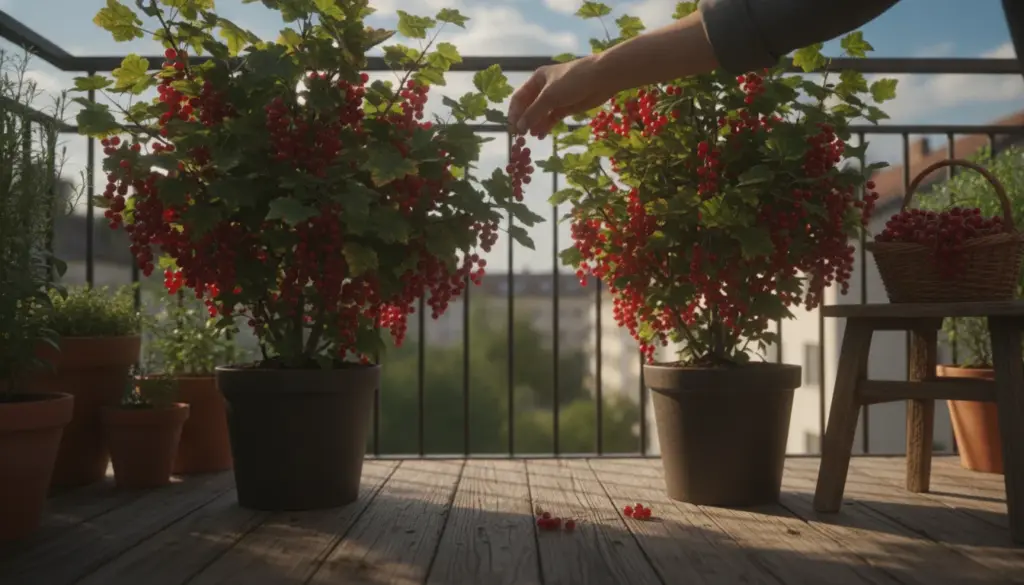
My balcony redcurrants are finally ready to pick. This marks the end of a beautiful waiting period and rewards me with luscious fruit. However, one specific detail is currently baffling me.
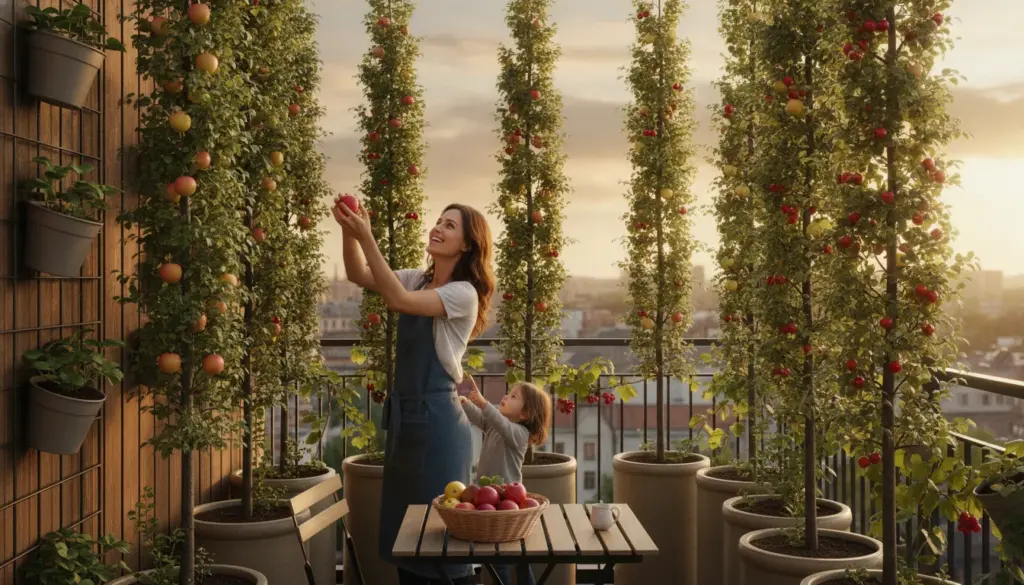
Two potted redcurrant bushes have found a permanent home on my terrace. I absolutely adore these plants and find myself snapping pictures of them from every conceivable angle throughout the warmer months. They are simply gorgeous to look at, and tracking their transformation from delicate blossom to finished fruit is an incredibly rewarding experience.
Watching my redcurrants mature is a spectacular sight
The growth cycle begins in spring with delicate clusters holding minuscule blossoms. These eventually transition into subtle green orbs that continuously swell as the season progresses. Whenever I return from my late-spring holidays, a delightful treat usually awaits: the initial fruits taking on a soft pink blush. By the middle of June, they reach maximum size and display a brilliant, vibrant crimson hue against the lush foliage.
It is a truly breathtaking display to witness right outside my window. To ensure the birds do not steal my crop and to prevent the fruit from spoiling in the intense heat, the harvesting phase must begin before they become overripe.
The redcurrants have ripened – time for the harvest
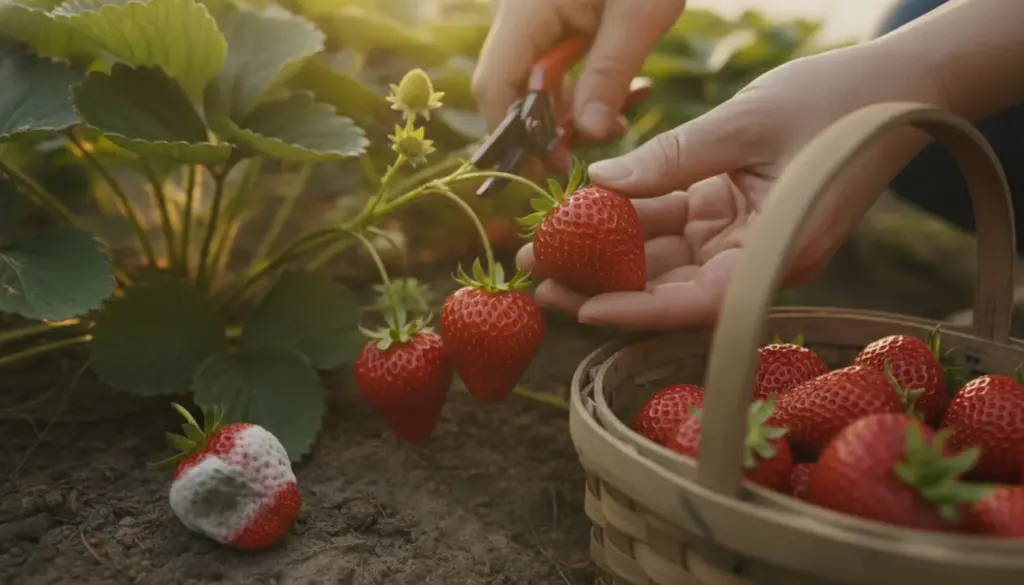
The German name for this fruit actually stems from St. John’s Day on June 24th, which historically marks the timeframe when the earliest varieties become fully mature. From that moment onward, you can start gathering these tart, vivid, and vitamin-packed gems. The best picking technique involves snipping or pinching off the entire stem with your fingers or pruning shears. Never attempt to pull off individual berries, as this will only result in a frustrating, sticky mess.
During the previous year, the yield from my young container plants was quite modest, barely filling half a small bowl. This summer, however, the bounty seems substantial enough to bake a delicious redcurrant meringue tart for the very first time. Honestly, what could be more refreshing during this sweltering weather?
About the author: Andrea Stettner
As an editorial writer focusing on gardening, my daily life revolves around everything that blossoms and thrives. I have a particular passion for covering topics that directly affect my own backyard routines. This ranges from properly pruning berry bushes to managing annoying pests and utilizing basic household remedies for weed control.
To ensure you stay informed: Every week in our newsletter, I compile the most crucial updates regarding indoor houseplants, patio gardening, and backyard care. Access to the free registration is always available online. Furthermore, I frequently consult with horticultural specialists to share their ultimate strategies with our loyal readers.
Why did some blossoms fail to become berries?
There is just one slight disappointment regarding this year’s crop. Numerous potential fruits on the heavily laden stems completely failed to form, giving the bunches a rather bare, almost stripped appearance. While trying to solve this botanical mystery, my highly experienced mother-in-law offered a compelling theory. She suggested that strong winds during the crucial pollination window might have discouraged bees from visiting frequently enough to pollinate every single flower.
A bit of personal research uncovered another highly plausible explanation. The plant might have intentionally shed excess blossoms as a survival mechanism to prevent itself from carrying an unsustainably heavy crop. Additional factors like sudden late frosts, insufficient hydration, or a lack of essential nutrients can also trigger this defensive reaction. Whatever the actual cause might be, I am eagerly anticipating next year’s growth cycle, and in the meantime, my attention shifts to my blueberries ripening in late summer.
Further gardening inspiration:
- Multiplying redcurrants: How to easily cultivate a brand new plant from cuttings
- When should you prune berry bushes? The ideal seasonal schedule for raspberries, currants, and similar plants
- Crafting homemade jam: The finest berry varieties to cultivate in your yard or on your terrace