The Secret to Spectacular Hydrangea Blooms
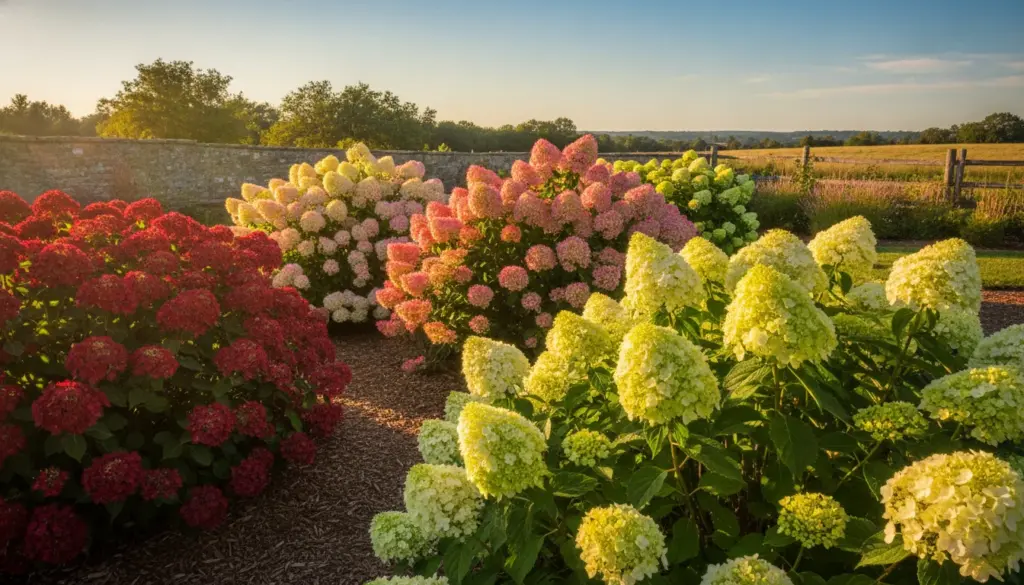
Achieving massive, vibrant hydrangea blooms all comes down to a proper trim. However, knowing exactly when and how to clip these popular garden beauties can feel a bit overwhelming for many home gardeners.
For a lush growth habit and an abundant floral display, using the correct pruning technique is absolutely essential. The ideal timing—whether in late autumn or early spring between February and March—depends entirely on the specific variety you have planted in your yard.
Some hydrangeas actually require no cutting at all, either because their natural shape is already elegant or because they are highly sensitive to the shears. To keep things simple, professional gardeners generally divide these shrubs into two distinct pruning categories.
Understanding the Two Main Pruning Groups
Group 1 includes varieties like the classic Bigleaf and Lacecap hydrangeas. These shrubs develop their flower buds during the previous year. Because next season’s blooms are already resting on the stems, you must be incredibly cautious when trimming them to avoid accidentally removing your future flowers.
Group 2 features varieties such as Panicle and Smooth hydrangeas. These plants bloom exclusively on brand-new wood that emerges in the spring. You can confidently give them a much harder chop in late autumn or early spring. An aggressive cut actually stimulates vigorous new shoots, which ultimately produce significantly larger blossom heads.
Essential Ground Rules for Every Hydrangea
- Sterilize your tools: Always use clean, sharp bypass pruners to prevent spreading plant diseases.
- Clear the deadwood: Regardless of the specific variety, you should routinely remove any dead, diseased, or completely dried-out branches.
- Protect the buds: Always closely inspect the stems for swelling buds or subtle flower formations before making a cut.
Step-by-Step Pruning Guide by Variety
Lacecap Hydrangeas (Hydrangea serrata)
These mountain hydrangeas are wonderfully low-maintenance. You should strictly avoid any radical, heavy chopping. Instead, opt for a very light trim between the end of February and early March. Simply snip off the old, faded flowers just below the bloom, being very careful not to damage the fresh buds sitting right beneath them.
Smooth Hydrangeas (Hydrangea arborescens)
While pruning isn’t mandatory for the wild smooth hydrangea, a good haircut highly encourages better bloom formation. Sometime between autumn and the end of February, reduce all the spent, flowered branches by roughly half. Ensure that you leave one to two pairs of healthy buds on each remaining stem.
The ‘Annabelle’ Variety
Because the beloved ‘Annabelle’ hydrangea produces flowers strictly on one-year-old wood, it thrives with an annual hard prune. Cut every single shoot down to about 15 centimeters above the soil line in early spring, just before the plant begins to sprout. During the summer months, you only need to thin out stems that have grown excessively long or suspiciously thin.
Panicle Hydrangeas (Hydrangea paniculata)
These robust shrubs can survive without a haircut, but a yearly maintenance trim keeps them vigorous and full of flowers. Between February and March, or during the autumn season, cut the previous year’s growth back into the older wood by about two-thirds. Leave two to three bud pairs intact and completely clear out any dead wood.
Climbing Hydrangeas (Hydrangea petiolaris)
Due to their characteristically sluggish growth rate, heavy pruning is a bad idea unless the vine is actively overtaking your space. If it starts to look unruly, simply trim back the awkward or excessively long vines right after their summer blooming phase, or wait until late winter.
Bigleaf Hydrangeas (Hydrangea macrophylla)
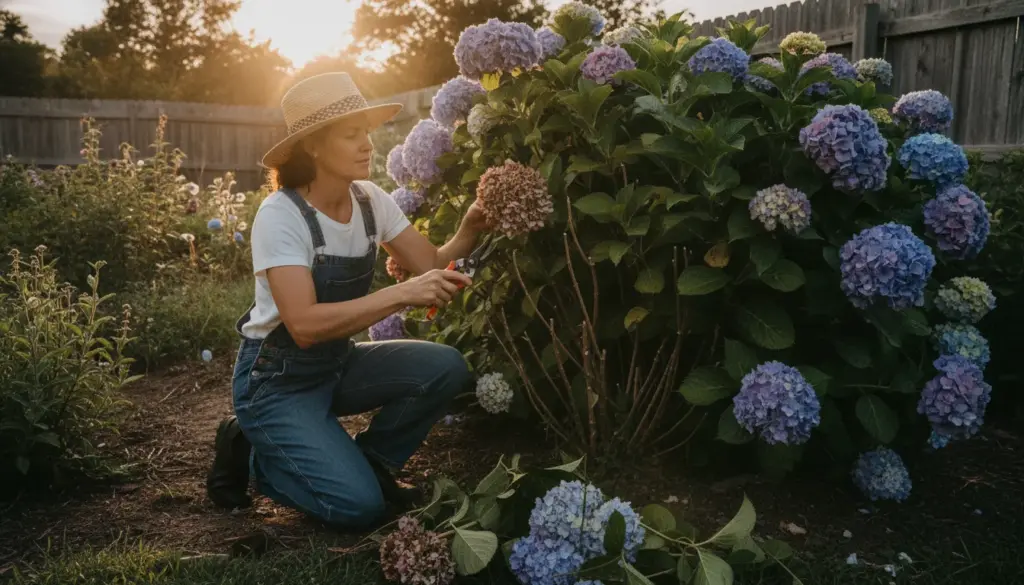
When spring arrives, target the dried flower heads of the mophead hydrangea, removing them along with approximately one-third of the stem. Make your angled cut just above healthy, plump buds. This is also the perfect time to thin out any crossing, tangled, or spindly branches to improve airflow.
Rough-Leaved Hydrangeas (Hydrangea aspera)
This fuzzy-leafed beauty is best left entirely alone. Simply pull away completely dead or brittle wood. Never attempt a harsh rejuvenation prune on this variety, as these unique shrubs naturally become more spectacular and architecturally stunning as they age.
Oakleaf Hydrangeas (Hydrangea quercifolia)
Regular maintenance cuts aren’t required for this stunning foliage plant. If you really must tidy it up, hold off until early spring. Reduce the previous year’s stems by one-third and clear out dead branches just to maintain the overall health of the shrub.
Should You Remove Faded Blooms Before Winter?
Snipping off spent flowers before the freezing weather hits can reduce the risk of fungal infections, but it simultaneously leaves the plant much more vulnerable to severe frost damage.
For Bigleaf and Lacecap types, remember that next year’s flower buds are sitting directly beneath those old, faded blooms in the autumn. One wrong snip can ruin your entire spring display. Furthermore, leaving those dried, papery flower heads on the shrub provides a beautifully rustic, structural focal point in an otherwise barren winter garden.