Hydrangeas in the sun: Varieties that love the light
Not every hydrangea needs shade to thrive. In fact, some varieties feel completely at home in bright, sun-drenched spots. Three highly resilient types prove exactly that, rewarding gardeners with a stunning floral display that lasts well into September.
Hydrangeas are incredibly popular garden centerpieces, famous for their seemingly endless sea of blossoms. However, achieving that breathtaking look requires selecting the proper environment. While most gardening enthusiasts know these shrubs as strict lovers of partial shade, certain species are perfectly suited for brighter locations. This means you can easily create a lush, blooming oasis even in a south-facing yard.
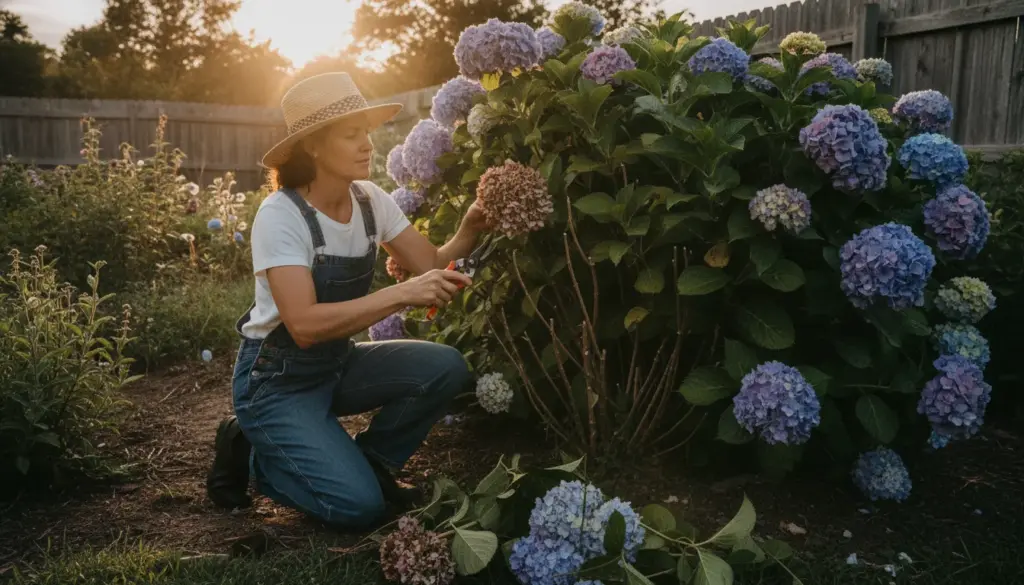
By late summer, many typical garden plants have already finished their blooming cycle, but the hydrangea steps in to provide vibrant colors right through the transition into autumn. These highly decorative shrubs can be quite particular about their growing conditions, though. If they are placed in the wrong spot or lack proper care, their foliage quickly turns brown and wilted, and the plant can suffer from severe sunburn. Traditionally, a semi-shady area with some protection from the afternoon glare is ideal, as these plants have exceptionally high water requirements.
The best sun-tolerant hydrangea varieties
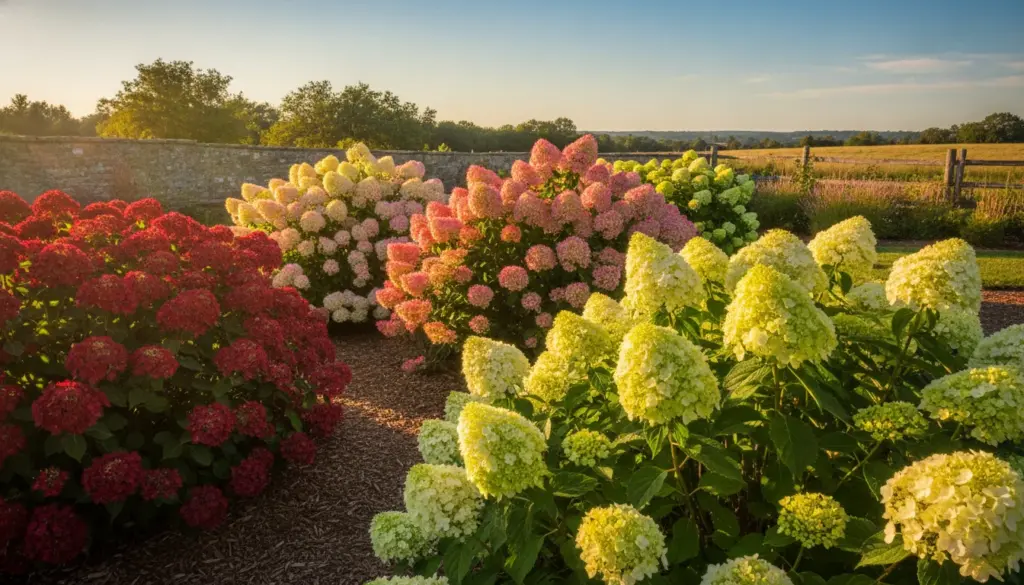
Gardeners with completely open, unshaded properties do not need to give up on these beautiful flowers. There is an excellent selection of sun-tolerant hydrangeas readily available. The golden rule for these specific plants is simple: the soil around their roots must never be allowed to dry out completely.
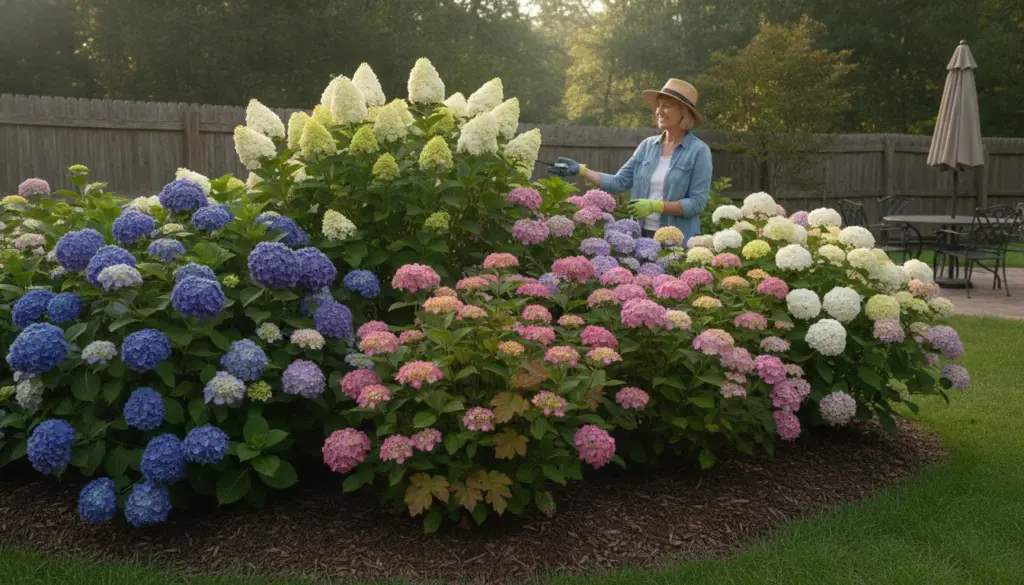
When planning a sunny garden layout, three specific types of hydrangeas stand out as reliable choices:
- Oakleaf hydrangeas (Hydrangea quercifolia)
- Smooth hydrangeas (Hydrangea arborescens)
- Panicle hydrangeas (Hydrangea paniculata)
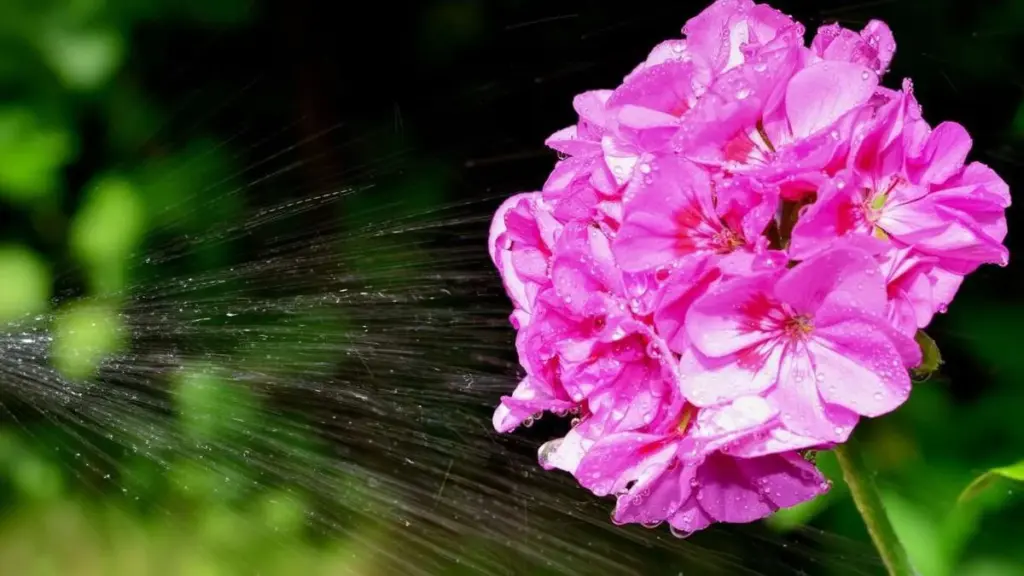
A helpful trick for determining a plant’s sun tolerance is to simply look at the petal color. Generally speaking, the darker the blossom, the better the hydrangea will handle direct sunlight. Regardless of the variety or flower hue, it is always advisable to plant them in a location that offers some shelter from strong winds.
Which hydrangeas should stay in the shade?
Conversely, several hydrangea varieties simply cannot handle intense sunlight. Older cultivars and those with very pale flowers are particularly sensitive to heat. Interestingly, these beautiful shrubs are occasionally stolen from front yards, not for their monetary value, but rather for a highly unusual reason related to the natural compounds found within the plant.
To keep their foliage healthy and their colors vibrant, certain types belong strictly in partial or full shade. The varieties that prefer cooler, shaded environments include:
- Mophead hydrangeas
- Lacecap hydrangeas
- Heritage or older cultivars
- Rare botanical plants and specialty breeds
If placed in direct sunlight, these sensitive plants can suffer from literal sunburns. If they are already established in a sunny spot, they absolutely require some form of artificial shading during the hottest parts of the day. Meanwhile, versatile options like the smooth hydrangea and the panicle hydrangea remain perfectly happy whether they are basking in the sun or relaxing in the dappled shade.
Horticulturalists are constantly developing new hydrangea breeds to enhance specific traits. While this continuous innovation has led to hydrangeas that can serve as excellent indoor houseplants, these modern indoor varieties often have a significantly reduced tolerance for direct, harsh sunlight when moved outside.
Essential care tips for sunny locations
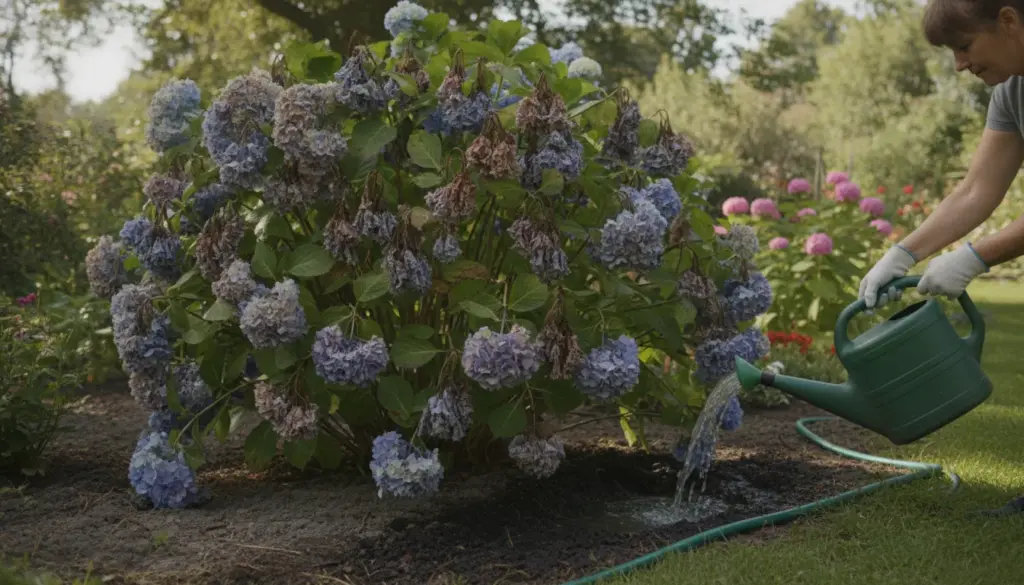
If you choose to plant your hydrangeas in a bright spot, providing adequate water is your absolute most important task. Intense summer heat compounds the stress of direct sunlight, making consistent soil moisture crucial for survival. Applying a thick layer of mulch around the base of the plant is a highly effective strategy to lock in that much-needed ground moisture.
During extreme heatwaves, setting up a temporary sunshade can also work wonders to protect the developing buds. As long as the soil conditions and watering routines are properly maintained, these sun-loving shrubs will reward you with long-lasting, spectacular blooms. For those dreaming of striking blue flowers, altering the soil’s pH level with specific additives is the secret to achieving that coveted color.
Beyond the garden, these blossoms are also fantastic for drying and keeping as long-lasting indoor arrangements. If you are still shaping your landscape design, keep in mind that early autumn is actually one of the absolute best times to put new hydrangeas in the ground, making late summer the perfect time to plan your purchases.
Frequently Asked Questions (FAQ)
Which hydrangea types can tolerate the sun?
Three main varieties are perfectly suited for bright areas: the panicle hydrangea (Hydrangea paniculata), the smooth hydrangea (Hydrangea arborescens), and the oakleaf hydrangea (Hydrangea quercifolia). They are much more resilient against direct sunlight than mophead or lacecap varieties, though they still demand consistent watering and moist soil when placed in sunny environments.
How do you care for hydrangeas in a sunny spot?
Keeping the plant thoroughly hydrated is the ultimate key to success, as these shrubs are notorious for their high water consumption. The surrounding soil must never become bone dry. Adding a generous layer of mulch will greatly assist in retaining moisture at the root level. Furthermore, providing a temporary shade screen during peak summer heatwaves is highly recommended to stop the leaves and delicate petals from scorching.