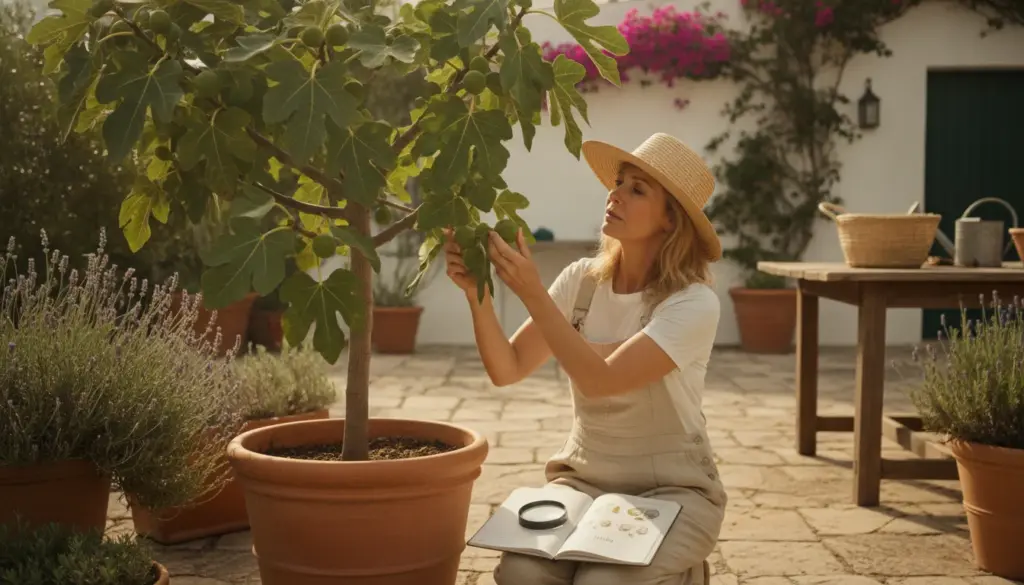
Nothing brings Mediterranean charm to a patio or garden quite like a potted fig tree. However, it can be incredibly frustrating when your beautiful plant produces lush, sweet-scented foliage but absolutely zero crop. If your tree is being stingy with its harvest—or dropping tiny, rock-hard green spheres—there are several potential culprits. Let’s look into the exact reasons behind this common gardening struggle, including one highly specific factor that most plant owners completely overlook.
Reason 1: Your Fig Tree is Simply Too Young
Patience is a crucial virtue in gardening. Even if your plant has already reached an impressive size, it might just need a little more time to mature. As a general rule, a fig tree requires a minimum of three years of growth before it even begins to form a harvest.
Keep in mind that the initial yields are usually quite modest, so do not lose hope if the first few seasons seem a bit underwhelming. Give the root system and branches time to establish themselves.
Reason 2: The Location Lacks Heat and Sun
These Mediterranean beauties are absolute sun-worshippers through and through. If you want sweet, purple yields instead of just pretty leaves, your plant demands full sunlight, abundant warmth, and protection from harsh winds. Placing a fig in the dappled shade of a larger garden tree simply will not work for fruit production.
The ideal spot is right up against a south-facing house wall, which radiates stored heat and blocks cold northern drafts. Additionally, young saplings need shielding from heavy downpours, as excessive rain can easily cause the delicate crop to drop prematurely.
Overwhelmed by Too Many Buds
It might sound counterintuitive, but an overabundance of initial buds can actually prevent ripening. Sometimes a plant produces far more potential fruit than it can realistically support. Without enough energy to mature all of them, the entire batch stays green and hard.
The expert fix is surprisingly simple: remove about a third of the early fruit buds. The energy will then be redirected, allowing the remaining ones to develop perfectly.
Reason 3: The Wrong Variety and the Hidden Pollination Problem
Here is the secretive issue that catches countless gardeners off guard: the specific genetics of your plant. In nature, fig blossoms are hidden entirely inside the fruit body itself. They rely exclusively on a microscopic insect—the fig wasp—for pollination.
The catch? This specialized wasp thrives in mild Mediterranean climates and is virtually non-existent in cooler northern regions. If you happen to own a variety that requires this insect, your tree will naturally drop its entire unpollinated crop.
Understanding the Three Main Fig Types
- Smyrna types: Absolutely dependent on the wasp. Without it, every single bud falls off. These have no place in cooler northern gardens.
- San Pedro types: A tricky compromise. The first summer crop develops without pollination, but the second autumn batch requires the wasp and usually fails.
- Common types (Kulturfeigen): Completely self-fertile. They develop a sweet harvest without any insect assistance whatsoever.
When purchasing a new addition for your garden, always ensure it is a fully self-fertile common type. Varieties like Perretta or the Palatine Fruit Fig are excellent, robust choices that bypass the insect problem entirely.
Reason 4: Severe Winter Damage Shifting the Energy Balance
Even if a variety is labeled as winter-hardy, prolonged freezing temperatures can wreak havoc on the one-year-old wood. When the thermometer drops significantly below freezing for extended periods, the above-ground branches often die back completely. While the resilient root system usually survives and shoots up vigorously the following spring, this creates a hidden harvest issue.
The plant is forced to channel every ounce of its stored energy into rebuilding stems and foliage. Consequently, there is simply zero capacity left for blossoming and fruiting that year. It takes several mild winters for the wood to thicken, develop protective bark, and shift its energy balance back toward reproduction.
Choosing Frost-Resistant Options
If you live in a colder zone, opting for highly frost-resistant cultivars like the Bavarian Fig “Violetta” can save you a lot of heartache. They yield large, sweet crops and can endure tougher conditions, especially when planted securely against a warm, protective wall. Older plants—ideally four years or more—handle being planted directly in the ground much better than young saplings.
Reason 5: Overly Aggressive Pruning
A common gardening myth claims that heavy pruning encourages heavy fruiting. Applying this rule to a fig, however, is a massive mistake. These plants bear their crop on one-year-old wood—meaning the shoots that grew during the previous summer.
If you grab the shears and aggressively cut back the canopy in autumn, you are literally chopping off next year’s harvest. Pruning should be minimal and done in early spring. Simply remove dead or diseased wood and lightly thin the center. Less is definitely more.
The Pitfalls of Growing from Seed
Attempting to grow a new tree from the seeds of a supermarket fruit often ends in disappointment. Seed-grown plants rarely retain the desirable traits of the mother plant. About half turn into sterile variants, while the rest usually revert to wild types that desperately need wasp pollination.
Reason 6: Too Much Fertilizer Fueling the Wrong Growth
Pouring on extra nutrients does not automatically equal a bigger harvest. In fact, over-fertilizing causes the plant to push all its resources into massive, rapid leaf expansion. With so much energy directed at pushing out green foliage, the actual fruit production is completely neglected.
To avoid this imbalance, stick to a specialized fig fertilizer. A single application of a slow-release formula in early spring is usually more than enough to jumpstart the season. Crucially, you must stop feeding the plant entirely once high summer arrives.