
Even though this vibrant beauty hails from exotic climates, it is surprisingly resilient and rarely falls victim to disease. Whenever your spectacular vine suddenly stops producing new leaves or refuses to put on its colorful floral display, improper care is usually the culprit. By simply adjusting your trimming habits and finding the perfect spot, you can quickly coax this stunning climber back into vigorous action.
Strategic Pruning: The Ultimate Growth Trigger
Countless indoor and outdoor plant enthusiasts hesitate when it comes to cutting back their climbing vines. However, holding back the shears is often the exact reason why development stalls completely. Expert botanical knowledge shows that the most common blunder in tropical vine care is simply lacking the courage to perform a deep, rejuvenating cut.
Executing a proper structural trim serves two essential purposes:
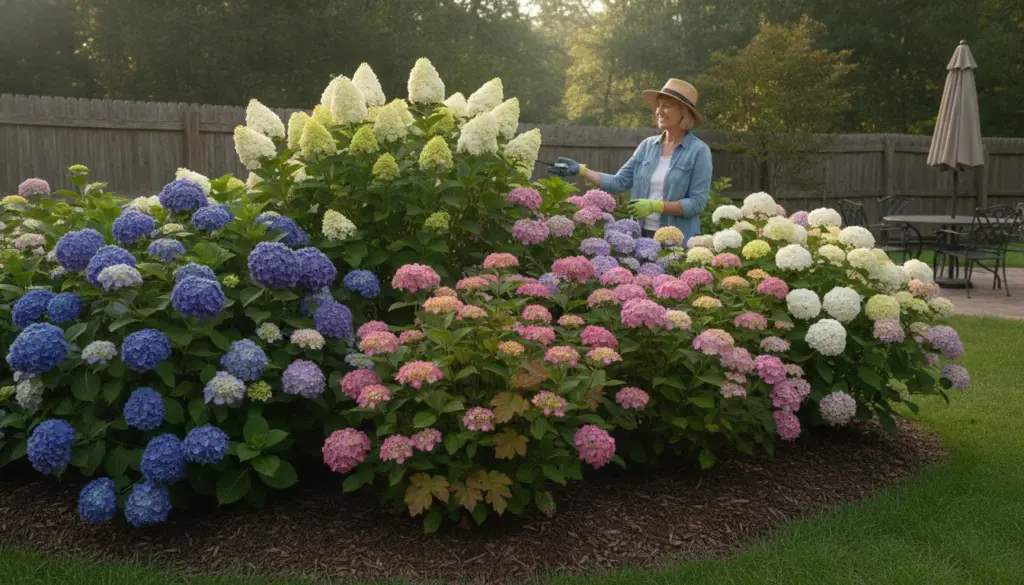
- Activating new shoots: Reaching for the secateurs in late autumn or early spring—just before the new growing season begins—forces the plant to branch out vigorously. Every single cut signals the vine to push out fresh, highly energetic growth at that specific node.
- Maintaining a bushy shape: These vigorous climbers naturally want to send out incredibly long, solitary branches. To cultivate a dense, beautifully compact silhouette, you should routinely shorten these unruly stray vines. Just remember to wear thick gloves to protect your hands from their hidden, sharp thorns.
Creating the Ideal Environment for Lasting Vitality
Beyond a good haircut, placement is the ultimate secret to unlocking a thriving, healthy plant. Because these colorful stunners originate from sun-drenched environments, their environmental demands are incredibly clear-cut. Basking in full, unfiltered sunlight is absolutely mandatory.
- Maximizing light and warmth: Position your container in the absolute brightest, most sun-drenched corner of your outdoor space. Depriving it of sunlight guarantees an immediate halt in development. The surrounding temperatures must remain consistently warm throughout the entire day. During the unpredictable spring months, it is highly recommended to shield the foliage at night with a protective fleece cover.
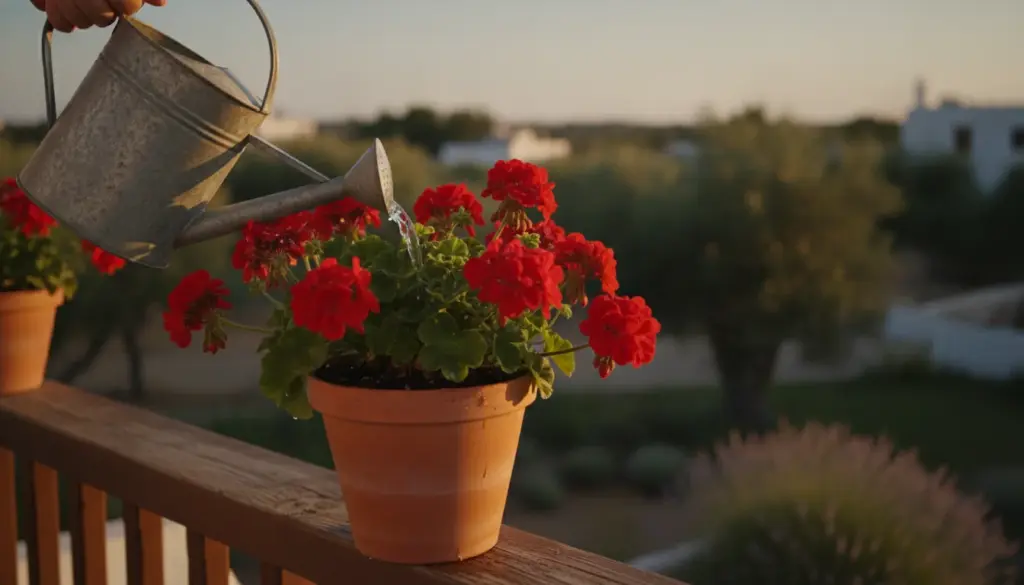
- Mastering the watering routine: Delivering a consistent moisture level is vital for structural integrity. The soil block absolutely must dry out significantly between your watering sessions to fend off deadly root rot, yet it should never be allowed to turn bone dry.
- Providing essential fuel: During the active pushing phase from May through September, your hungry vine requires heavy feeding. Applying a high-quality liquid fertilizer formulated for potted plants every one to two weeks ensures maximum developmental power.
Solving the Mystery: Why Are the Flowers Missing?
If that breathtaking sea of vibrant color fails to materialize, you are likely dealing with one of three primary environmental factors. The absolute leading cause is insufficient sunlight; these sun-worshipping vines demand intense, direct rays to successfully form flower buds. Tucking them away in partial shade is a guaranteed recipe for a flowerless season.
Furthermore, a bold, structural trim is crucial. Without this physical intervention, the plant simply lacks the biological incentive to generate new, flower-bearing wood. Finally, nutritional deficits can heavily impact blooming potential. Supplying a phosphorus-heavy plant food throughout the warmer months delivers the precise energy needed for a spectacular floral show. Transitioning the pot to a properly temperature-controlled winter shelter is equally critical for next year’s success.
Frequently Asked Questions About Routine Maintenance
Can improper watering completely halt progression?
Absolutely. Both extremes are highly damaging. Waterlogged soil instantly suffocates the root system, preventing critical nutrient uptake and freezing all upward growth. Conversely, overwatering without causing rot will often trick the vine into strictly producing green foliage rather than setting buds. On the flip side, chronic drought triggers severe survival stress, which also abruptly shuts down all cellular development. Striking a perfect, even moisture balance is the golden rule.
How critical are nutrient levels during the active season?
Throughout the primary spring and summer growing window, these energetic climbers have an incredibly high metabolic demand. Running low on fundamental elements, particularly nitrogen, directly results in pale, yellowing foliage and severely stunted branches. Establishing a strict, reliable feeding schedule is therefore the ultimate foundation for robust, continuous vitality.