Transforming Dark Garden Corners with Fragrance
Do you have a north-facing yard or a balcony hidden beneath the canopy of large trees? Having a space with limited sunlight does not mean you have to abandon your dreams of a vibrant, scented garden.
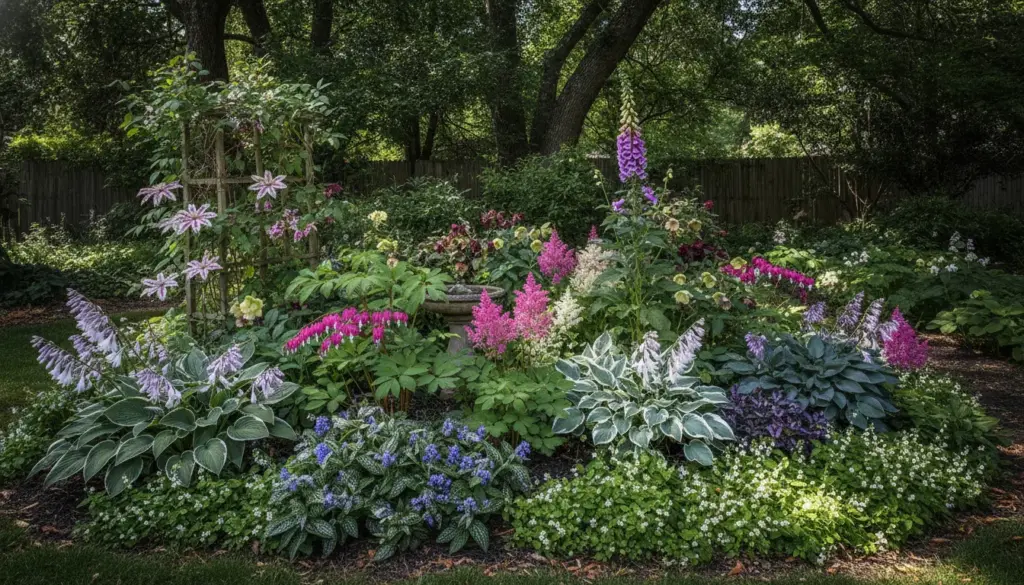
While many popular blooms require full sun, a surprising number of plants actually prefer the cooler, dimmer conditions of partial shade. You can easily transform those dark corners into aromatic retreats. We have gathered a selection of ten shade-loving perennials that not only smell incredible but are also tough enough to survive the winter and return beautifully year after year.
10 Fragrant and Hardy Perennials for Your Shady Spots
- Lily of the Valley
Height: Medium
Appearance: Resembles wild garlic foliage with delicate white bells
Bloom time: May to June
Unlike wild garlic, this woodland favorite does not smell like onions. Instead, it releases an exquisite, sweet fragrance frequently captured in high-end perfumes. However, you must handle it with care. The entire plant is highly toxic, so never confuse it with edible wild garlic. - Sweet Violet
Height: Low-growing ground cover
Appearance: Classic medium-sized purple blossoms
Bloom time: March to April
True to its namesake, this low-profile beauty packs a surprisingly powerful aromatic punch. It emits a rich, sugary perfume that easily fills the crisp early spring air. - Sweet Woodruff
Height: Medium
Appearance: Slender stems featuring whorled leaves and tiny white flowers
Bloom time: April to June
It is easy to see why Sweet Woodruff is a traditional flavoring for springtime punches and gelatin desserts. Its foliage offers a unique, spicy-sweet aroma reminiscent of fresh vanilla. Just keep in mind that this scent comes from coumarin, a compound that can be toxic if consumed in vast quantities. - Bleeding Heart
Height: Medium to tall
Appearance: Distinctive teardrop-shaped blossoms in pink or white
Bloom time: April to May
This classic cottage garden staple provides stunning visual interest with its unique flower shapes. While not overpowering, it offers a very gentle, subtle fragrance to passing gardeners. - Foamflower
Height: Medium
Appearance: Fluffy, star-shaped flower clusters in pale pink or white
Bloom time: April to June
This charming woodland native creates a frothy, blooming carpet over the soil. If you lean in close, you will notice a pleasantly delicate scent drifting from the intricate blooms. - Astilbe (False Spirea)
Height: Varies from compact to quite tall
Appearance: Feathery, plume-like flower spikes ranging from soft pink to vibrant violet
Bloom time: May to September
Astilbes are fantastic for adding feathery texture to damp, dim borders. Alongside their striking visual appeal, they produce a refined, sweet aroma throughout the warmer summer months. - Hosta (Plantain Lily)
Height: Medium, though Hostas tend to spread widely
Appearance: Grown primarily for their spectacular, often brightly variegated foliage
Bloom time: July to August
Though generally cultivated for their magnificent leaves, their late-summer floral stalks are an excellent added bonus. The blossoms emit a remarkably fresh, sweet perfume. - Bergenia (Elephant’s Ears)
Height: Medium
Appearance: Sturdy stalks bearing bell-like flowers above leathery leaves that often turn red in autumn
Bloom time: March to May
The robust Bergenia is incredibly resilient and offers a lovely aroma. Depending on the specific cultivar you plant, this floral fragrance can range from mild to wonderfully intense. - Hardy Geranium (Cranesbill)
Height: Low to tall, depending on the cultivar
Appearance: Deeply lobed foliage with cup-shaped flowers in multiple hues
Bloom time: May to August
A typical Hardy Geranium features a pleasantly aromatic, herbal scent when you brush against the leaves. Just be cautious of certain wild varieties, like Herb Robert, which are notorious for their pungent, off-putting odor. - Woodland Phlox
Height: Low and creeping
Appearance: Clusters of small, bright flowers in white, lilac, or pale blue
Bloom time: April to May
If you want a powerful floral impact, this creeping perennial is a top choice. It exudes an intoxicating, heavy fragrance that closely resembles the smell of blooming lilacs.
The Safest Time for Planting Perennials
Technically, potted nursery plants can go into the ground at almost any point during the year. You can easily pick up established container plants from your local garden center to start creating a new perennial border whenever inspiration strikes.
However, freshly developing roots strongly dislike sitting in overly soggy, freezing soil. Because of this, the window from mid-spring through late summer offers the ideal conditions for healthy establishment. Alternatively, you can settle them into the flower bed during the colder months, provided the ground remains relatively dry and entirely free of frost.
Key Facts About Fragrant Shade Gardens
Top Fragrant Perennials for Dappled Light
There are numerous resilient varieties that thrive away from the harsh sun. Top performers include Lily of the Valley, Sweet Violet, Sweet Woodruff, Bleeding Heart, Foamflower, Astilbe, Hosta, Bergenia, Hardy Geranium, and Woodland Phlox.
These plants require very little direct sunlight while consistently rewarding you with sweet and herbal aromas season after season.
Bloom Times for Dimly Lit Spaces
Depending on the specific cultivar, your fragrant shade garden can feature blossoms from early March straight through September. Sweet Violets and Bergenias kick things off in early spring, while Sweet Woodruff and Woodland Phlox follow closely behind in April.
As summer arrives, Astilbes and Hostas take the stage, extending the floral display well into early autumn. By carefully mixing these species, you can enjoy an uninterrupted succession of flowers.
The Most Intensely Scented Shade Plants
For maximum olfactory impact, you cannot beat Woodland Phlox, Sweet Violets, and Lily of the Valley. The phlox delivers a heavy, lilac-like perfume, while the violets offer a deeply sugary aroma.
Lily of the Valley produces such a refined, potent fragrance that it remains a staple in the luxury perfume industry. On the other end of the spectrum, plants like the Bleeding Heart, Foamflower, and Bergenia offer a much softer, ambient scent.
Ideal Planting Windows for Shade Borders
Spring through late summer is generally the optimal timeframe for establishing your new garden. During these warmer months, the soil conditions are ideal for young root systems, which absolutely despise sitting in freezing, waterlogged dirt.
If absolutely necessary, winter planting is possible, but only during dry, mild stretches where the ground is completely thawed. Thankfully, established container plants are available year-round for flexible landscaping.
Lily of the Valley Versus Sweet Woodruff
Between the two, Lily of the Valley boasts a significantly stronger and more immediate floral perfume. Its delicate bells project a famous, captivating scent directly into the air without any extra effort.
Sweet Woodruff, conversely, has a lovely vanilla-spice character, but this distinct aroma only truly emerges after the foliage has been cut and allowed to wilt. If you want instant, blooming fragrance wafting effortlessly through your yard, Lily of the Valley is the undeniable winner.