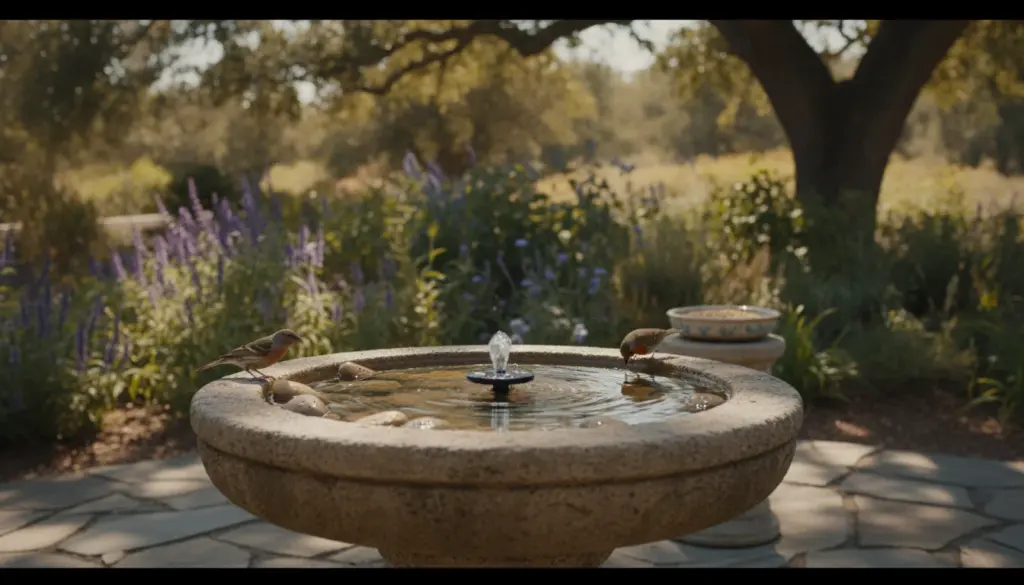
Setting Up Your Garden Bird Bath: Location and Hygiene Matter
When the relentless summer heat arrives, a simple garden water station can literally save lives. However, placing it in the wrong spot might actually keep feathered friends away. During prolonged dry spells, survival becomes incredibly difficult for local wildlife. Natural water sources evaporate, and the baked earth makes foraging nearly impossible. By providing a well-maintained drinking spot and appropriate nourishment, you can offer crucial support to these struggling backyard visitors.
You do not need expensive equipment to create an inviting water feature. A basic terracotta dish or an old flower pot saucer works perfectly. For optimal use as a bathing area, ensure the water depth stays between two and a half and ten centimeters. This ideal depth allows our avian guests to safely splash around, clean their feathers, and escape the oppressive heat.
However, the location you choose plays a much bigger role than the container itself. Our winged visitors will only use a drinking station if they feel completely secure. “Birds only accept a bath if they feel safe. When bathing, they are distracted and easy prey for sneaking cats.”
Because of this vulnerability, always position the basin near shrubs or trees where blackbirds and robins can quickly take cover. Maintenance is equally critical, as an unkempt basin can quickly spread disease. Make it a daily habit to replace the water and scrub the dish using a stiff brush and boiling water. Conservation specialists even suggest a clever rotation method: use two different bowls, leaving the spare one baking in the hot sun to naturally disinfect.
Introducing a small pond or drinking dish provides rapid results and fantastic birdwatching opportunities right from your window. “Water sources offer a great way to observe when garden birds like the chaffinch or great tit fly in for a quick drink, or when starlings and house sparrows gather in groups for extensive splashing.”
Summer Bird Feeding: Best Practices and Nutrition
The rock-hard summer soil traps earthworms deep underground, leaving parents struggling to find enough calories for their hungry chicks. Offering the right snacks during this demanding breeding period can make a massive difference. Focus on providing high-protein options that deliver quick, digestible energy.
- Dehydrated insects: An excellent protein substitute when live bugs are scarce.
- Small, high-fat seeds: Perfect for rapid energy replenishment.
Always pay close attention to the physical size of the snacks you provide. Whole peanuts or large nut pieces pose a severe choking hazard to delicate fledglings. Furthermore, human food scraps like bread or heavily salted leftovers should never be offered under any circumstances, as they can cause severe digestive issues.
To minimize the risk of bacterial transmission, enclosed feeding tubes generally outperform traditional open platforms or basic birdhouses. These sealed designs prevent droppings from contaminating the seed supply. Remember to wash these dispensers frequently and only put out modest portions that will be consumed within a short timeframe.
More Essential Backyard Birding Tips
- Feeding seed-eaters: Tailoring your seed mixtures can easily attract specific species like finches, sparrows, and bullfinches to your winter and summer feeding stations.
- Empty nesting boxes: If your birdhouses remain unoccupied, it often comes down to correctable issues like incorrect mounting height, the wrong entrance hole size, or too much direct sunlight.
- Preventing window collisions: Surprisingly high numbers of birds crash into reflective glass by accident, but applying special UV decals or physical barriers can effectively stop these tragic impacts.