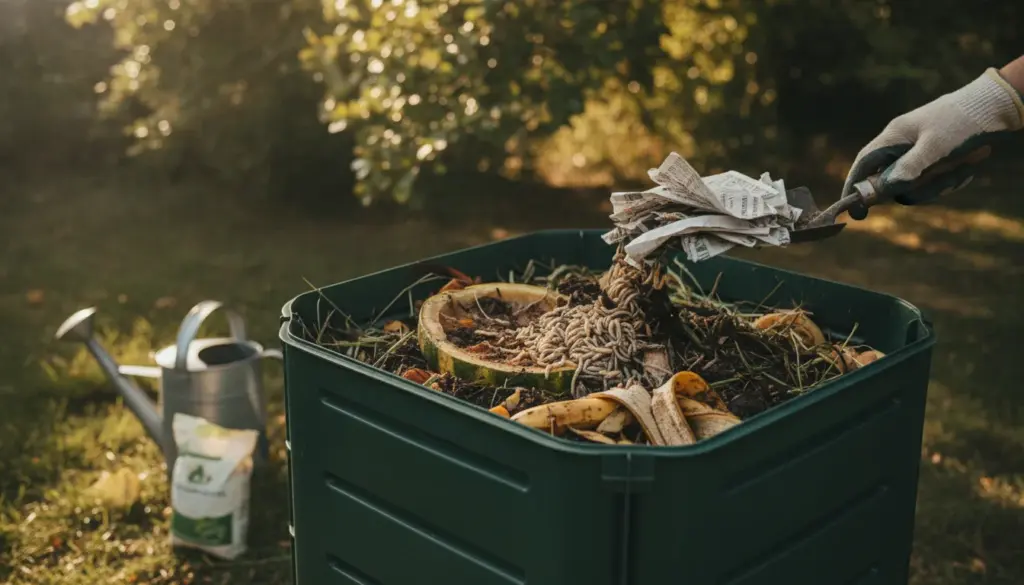
As soon as the summer heat kicks in, that familiar and unpleasant problem returns: wriggling larvae taking over your green waste. However, dealing with this pesky issue doesn’t have to be an endless battle. By implementing a few targeted strategies, you can effectively prevent infestations and keep your disposal area completely pest-free.
Those unwelcome guests are actually the offspring of common houseflies and blowflies. These insects are heavily drawn to the specific odors and high moisture levels produced by decomposing organic matter. In fact, the biological breakdown process releases irresistible chemical signals like hydrogen sulfide and butyric acid.
Once inside that warm, dark, and damp environment, female flies find the ultimate breeding ground. They can deposit up to 150 eggs every single couple of days. These hatch incredibly fast, leading to an explosive population of larvae.
To stop this unhygienic cycle in its tracks, you must disrupt their ideal living conditions. The ultimate secret to success here is eliminating moisture and blocking their entry points.
How to prevent maggots in your organic waste bin
- Choose a strategic location: Keep your bin in a heavily shaded, cool area throughout the entire year, such as inside a well-ventilated garage. Direct sunlight drastically speeds up the rotting process, which immediately intensifies foul odors.
- Eliminate excess moisture: Always wrap damp food scraps in old newspaper before tossing them out. Creating absorbent barriers using egg cartons, dry lawn clippings, or sawdust at the bottom and between refuse layers works wonders for soaking up liquids. If you don’t have those on hand, budget-friendly natural pet bedding—like untreated wood shavings—or standard compost are fantastic alternatives.
- Monitor your throwaways: Never discard animal-based items like leftover meat, sausages, fish, or dairy into the green compost. The high protein content in these foods acts as a massive magnet for egg-laying insects. Instead, seal these items tightly and place them in your standard residual trash.
- Secure the lid: Ensure your container shuts perfectly tight every single time. Containers equipped with rubber gaskets offer the best protection. For an extra layer of defense, try rubbing the inner rim with heavily diluted citrus essence or lavender oil, which acts as a powerful natural repellent.
- Neutralize strong smells: Regularly dust your discarded scraps with a thin layer of rock dust. This highly effective garden staple not only locks in unwanted moisture but also instantly neutralizes the severe putrid scents that draw pests near.
Maintain a strict cleaning routine
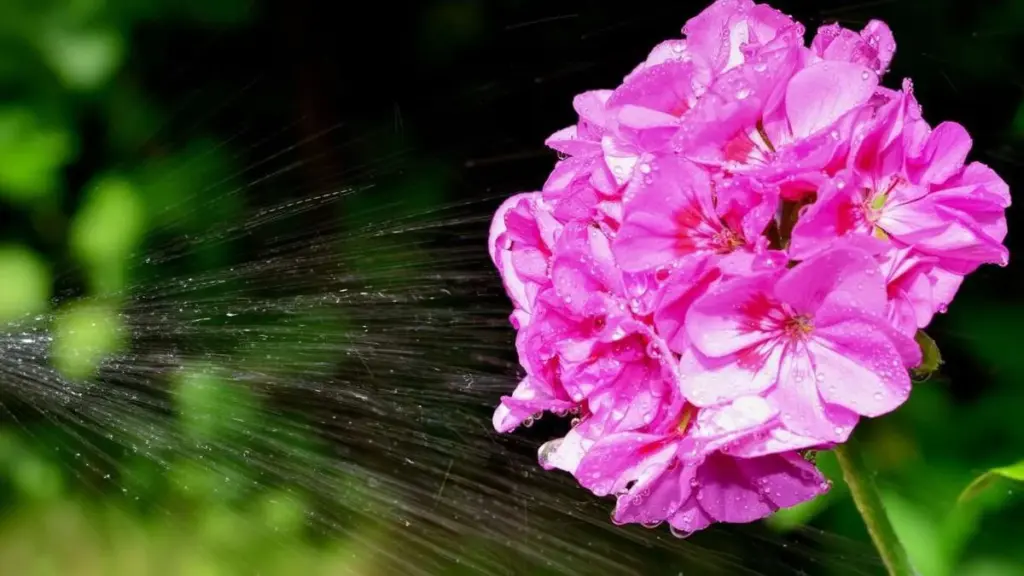
Sanitizing your receptacle on a consistent basis is absolutely crucial, ideally right after the municipal collection empties it. Blast the interior thoroughly using a high-pressure washer or a strong spray from your standard garden hose.
After the initial rinse, scrub the inner walls and the underside of the lid with a simple vinegar and water solution. This natural cleaning mixture neutralizes lingering smells while simultaneously deterring future fly visits.
Finally, prop the lid open and let the entire container bake in the direct sun until it is completely bone-dry. Never add fresh scraps until all leftover moisture has entirely evaporated.