When your beloved greenery falls victim to an aphid attack, reaching for standard kitchen detergent might seem like a quick fix, but it is actually counterproductive. Horticultural professionals recommend a completely different, natural household solution for effective pest management.
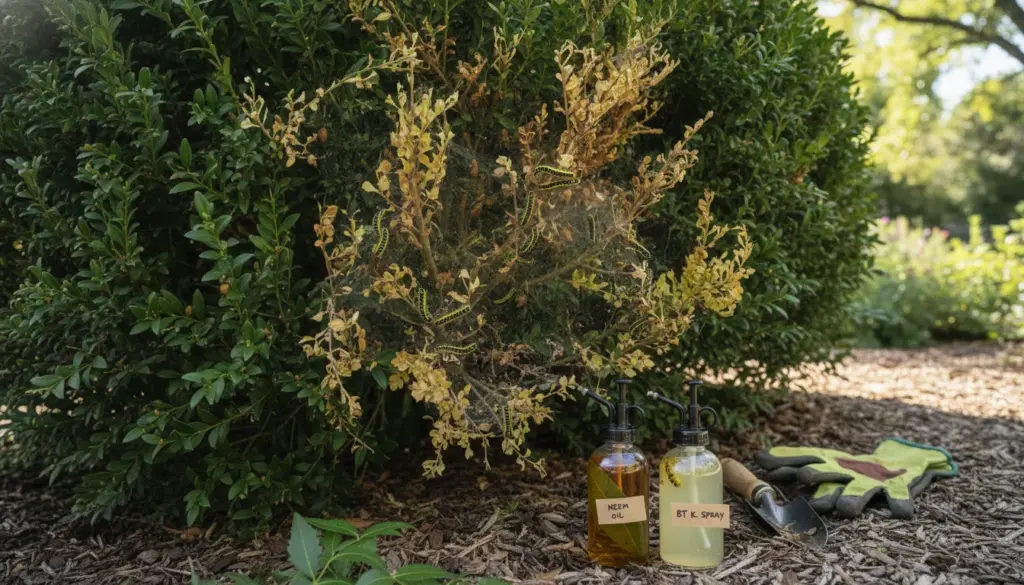
Wilting rose petals and stunted new shoots are classic indicators that sap-sucking pests have moved into your garden. Rather than resorting to harsh chemical sprays, experienced regenerative agriculture specialists advocate for understanding the root cause. By learning exactly why these tiny intruders target specific vegetation, you can eliminate them using highly effective, earth-friendly techniques.
Why Your Garden Attracts Sap-Sucking Pests
An influx of these tiny bugs usually indicates that your plants are experiencing underlying stress. Environmental factors such as extreme heat, prolonged dry spells, inconsistent hydration, or simply reaching the end of their natural life cycle make your garden highly vulnerable to infestation.
Furthermore, heavily fertilizing your soil can create an overload of nitrogen. This nutrient spike forces the rapid development of soft, tender shoots—an absolute magnet for hungry bugs. Ants present another layer of difficulty, as they actively defend these pests from natural predators like lacewings and ladybugs in order to harvest their honeydew. Interestingly, simply washing away the primary infestation is often enough to send the ants packing as well.
Natural Solutions That Actually Eliminate Aphids
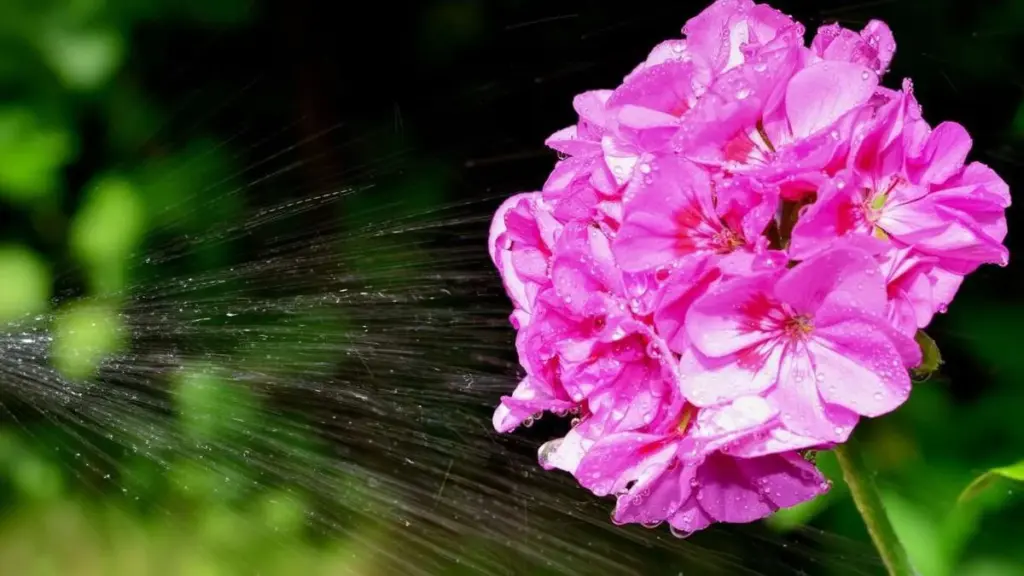
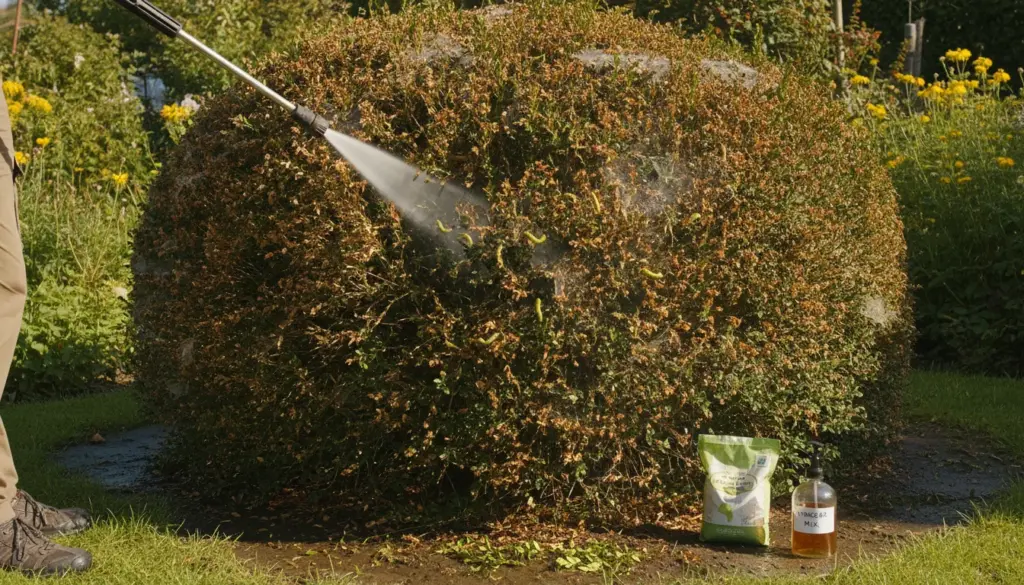
One of the absolute most reliable methods for clearing out an infestation requires nothing more than a garden hose. Blasting the affected foliage with a firm stream of water easily dislodges the majority of the intruders. For a more targeted approach, a specialized soap wash is highly recommended.
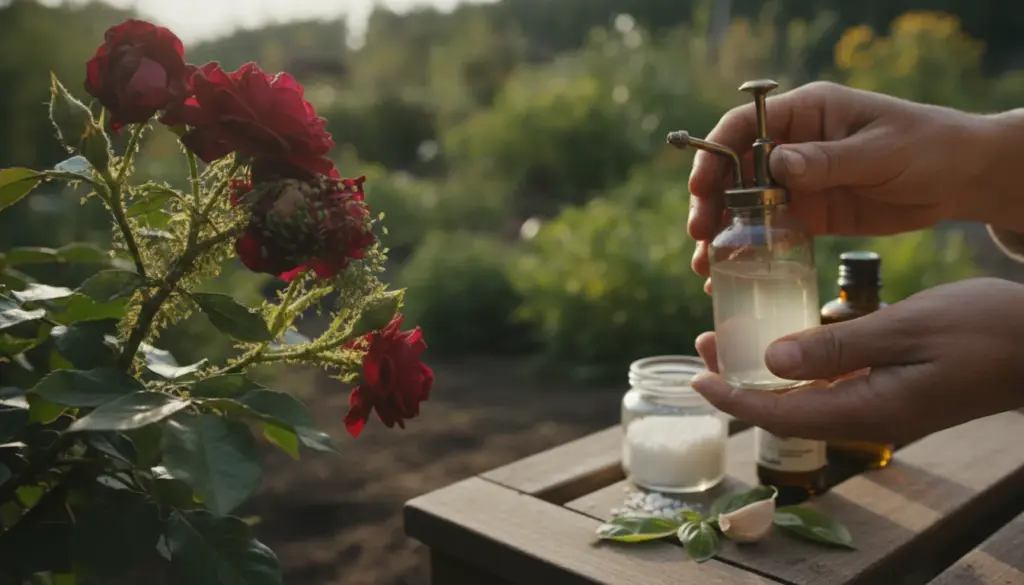
This mixture effectively neutralizes soft-bodied insects while keeping the vast majority of beneficial garden bugs perfectly safe. However, plant experts strongly caution against typical kitchen cleaners. Avoid regular dish detergent at all costs, as it is far too harsh and will aggressively strip the protective, natural oils right off your delicate foliage. Instead, you should always opt for authentic castile soap when dealing with heavy outbreaks.
Understanding Castile Soap
Originally hailing from the Castile region of Spain, this traditional cleansing block is crafted entirely from plant materials, most notably olive oil. Unlike mass-produced industrial cleaners, it contains zero animal fats, harsh synthetic chemical agents, or aggressive additives.
Because it breaks down entirely naturally in the environment, it serves as an exceptional tool for gentle garden pest control, alongside its traditional uses in household cleaning and personal care. If you cannot source it locally, basic curd soap or traditional soft green soap serve as excellent substitutes.
Long-Term Prevention Strategies for a Healthy Garden
The best pest control happens before an outbreak even begins. Fostering a welcoming environment for natural predators is the most effective preventative measure. Ladybugs, lacewings, and their respective larvae are the ultimate biological control agents.
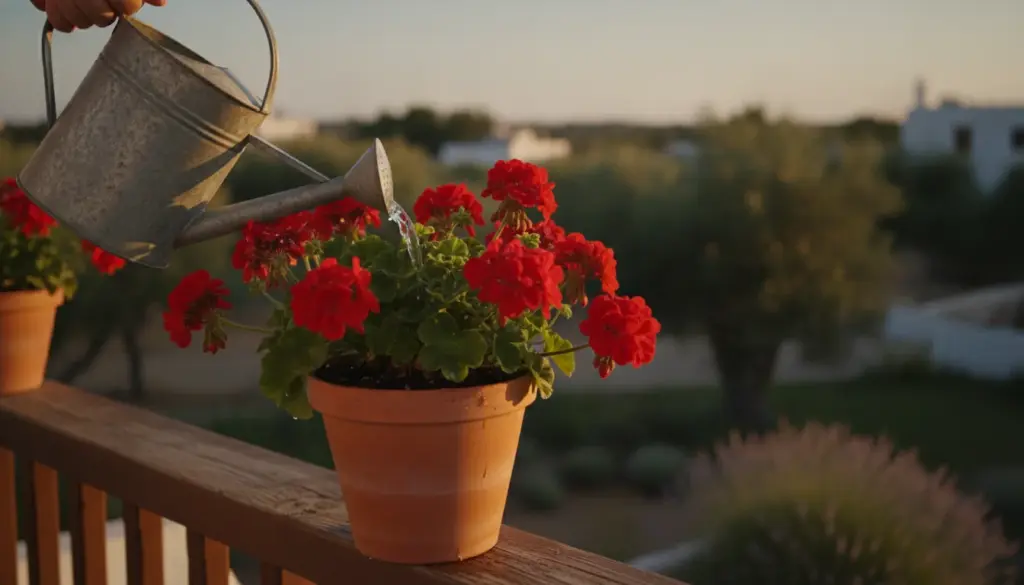
You can easily draw these beneficial insects into your yard by planting attractive companion flowers like blooming marigolds, fennel, dill, and yarrow. Additionally, building overall soil health is crucial. Relying on nutrient-dense compost rather than synthetic fertilizers, combined with a consistent watering schedule, builds robust resilience within your flowerbeds.
A Powerful Tip for Severe Outbreaks
If you are battling a particularly stubborn colony, a simple addition to your soapy water can drastically increase its potency. Once your castile soap mixture has completely cooled down, stir in one to two teaspoons of rubbing alcohol or clear spirit.
This specific combination is incredibly effective because the alcohol breaks down the waxy protective coating on the insects’ bodies, allowing the soap solution to penetrate and work much faster.
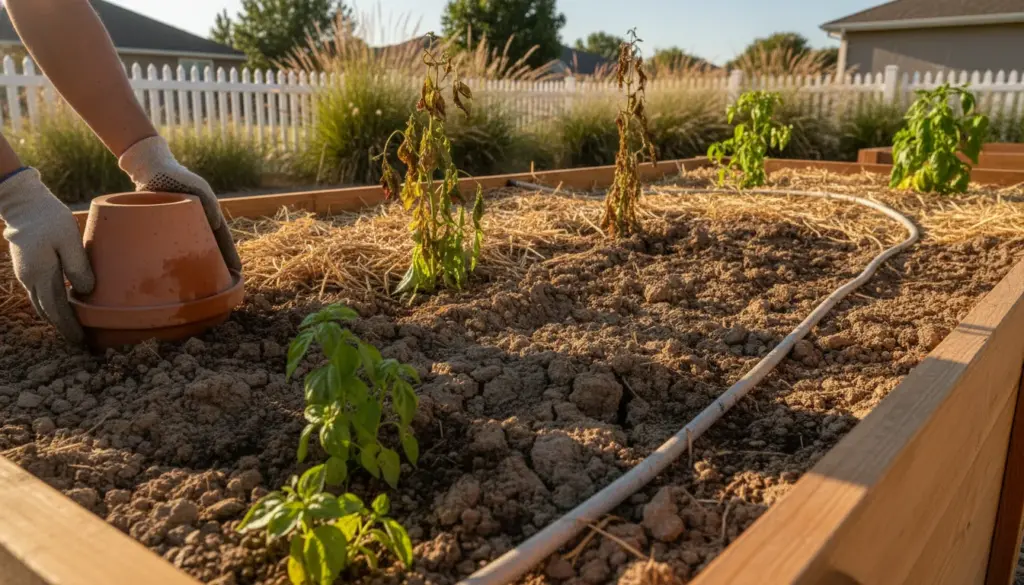
Finally, if you suspect your soil has too much nitrogen, you can easily restore balance by working carbon-heavy mulch, such as wood shavings or clean straw, into the ground. This simple adjustment starves the pests of their preferred soft-growth food source while simultaneously cultivating a thriving, balanced soil ecosystem for your plants.