Identifying Early Signs of the Fungal Pathogen
Warm and dry summer weather creates the perfect breeding ground for powdery mildew to ravage garden perennials. Catching this frustrating fungal infection in its earliest stages is absolutely crucial for the survival of your plants.
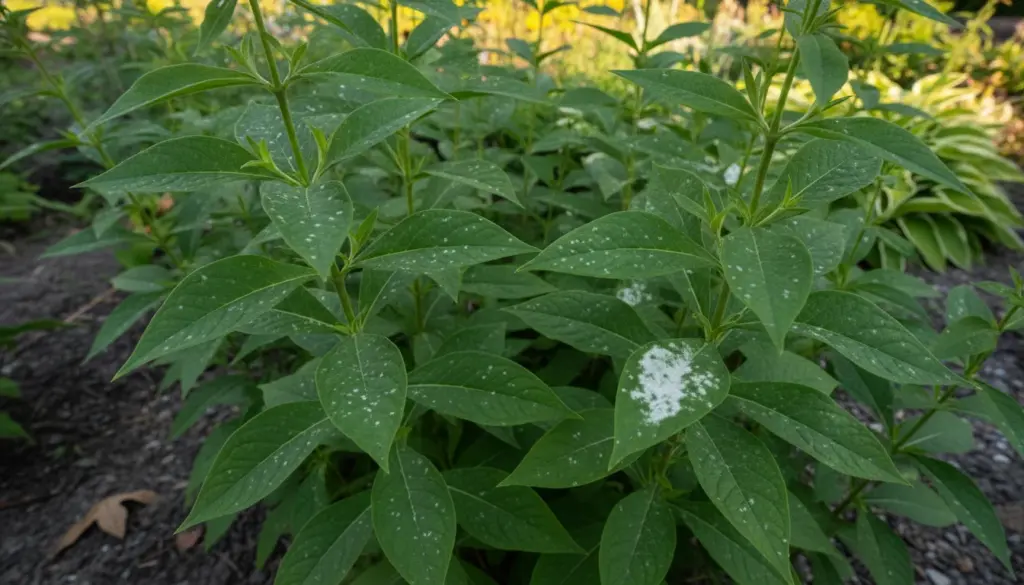
- The very first symptom typically appears as tiny, isolated white spots scattered across the foliage.
- Without intervention, the pathogen aggressively multiplies, causing these patches to grow and merge rapidly.
- Eventually, a recognizable flour-like, white film completely smothers the affected leaves.
- The infection doesn’t stop there—it can easily migrate to other plant parts, eventually causing severely diseased leaves to turn brown and wither away.
- Gardeners should carefully monitor highly susceptible favorites like phlox, asters, delphinium, and bee balm.
Proven Strategies to Rescue Your Plants
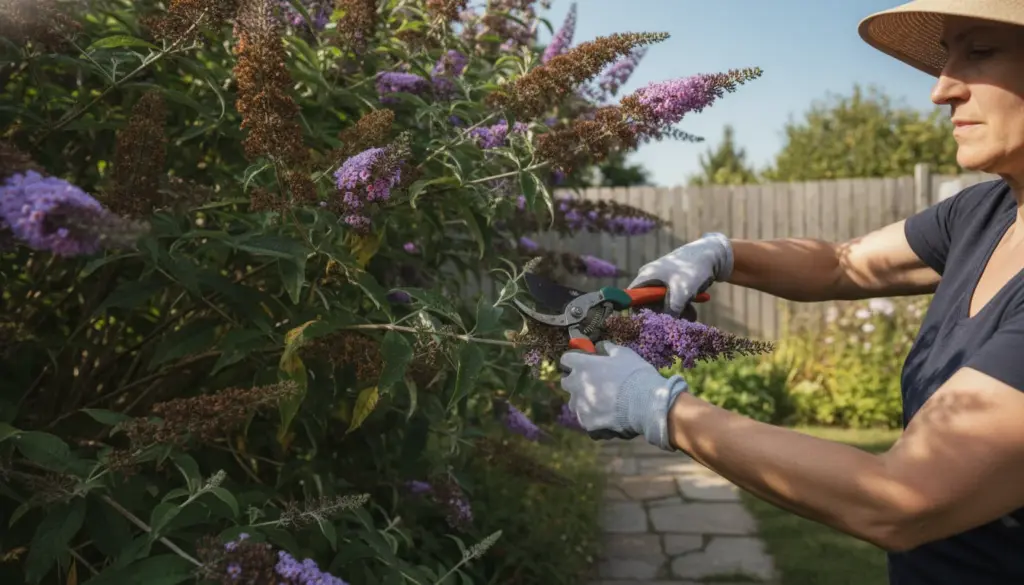
Acting swiftly is your best defense against this persistent garden nuisance. At the very first sign of an outbreak, immediately remove any spotted leaves or trim back the infected shoots until you reach perfectly healthy plant tissue.
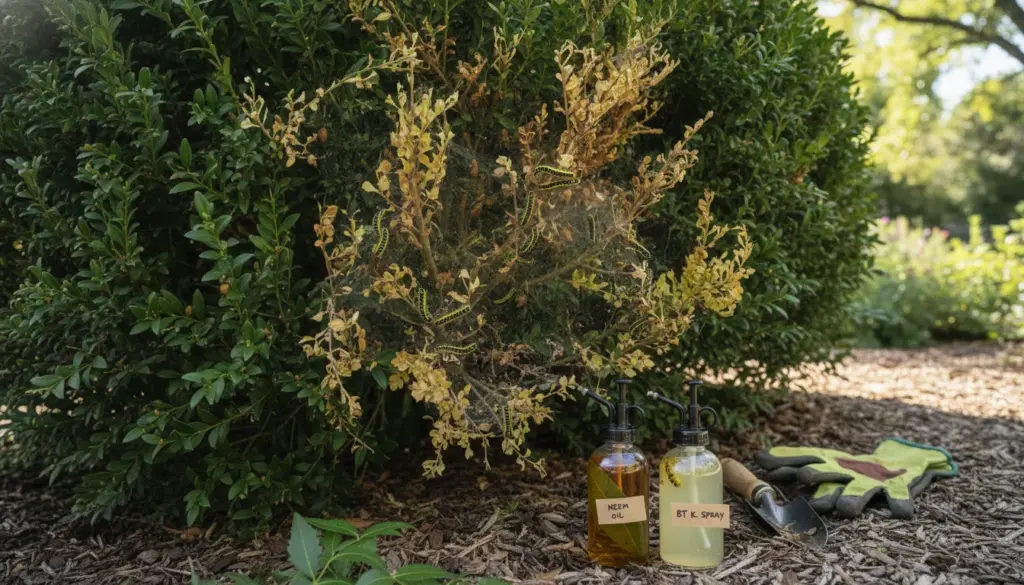
When physical pruning isn’t quite enough to halt the spread, specialized treatments from a trusted garden center serve as an effective fallback. The secret to success is starting these applications promptly and maintaining a consistent treatment schedule to fully eradicate the fungus.
Enlisting Nature’s Tiny Helpers
You can also rely on biological pest control to help manage a fungal outbreak. Certain species of ladybugs are remarkably effective at naturally suppressing the disease without the need for intense interventions.
The 22-spot ladybird, for example, actually consumes the white fungal residue directly from the infected foliage. Fostering a richly diverse garden ecosystem is the absolute best way to attract these incredibly beneficial insects to your yard.