Even though it hails from exotic, warm climates, the bougainvillea is remarkably tough and generally resists most common plant diseases. When your vibrant specimen suddenly stops producing new leaves or utterly refuses to bloom, the culprit usually boils down to a few basic maintenance errors. By adjusting your pruning habits and rethinking its current spot in your yard or balcony, you can quickly coax this stunning climber back into a vigorous growth phase.
Pruning Your Bougainvillea: A Crucial Trigger for Growth
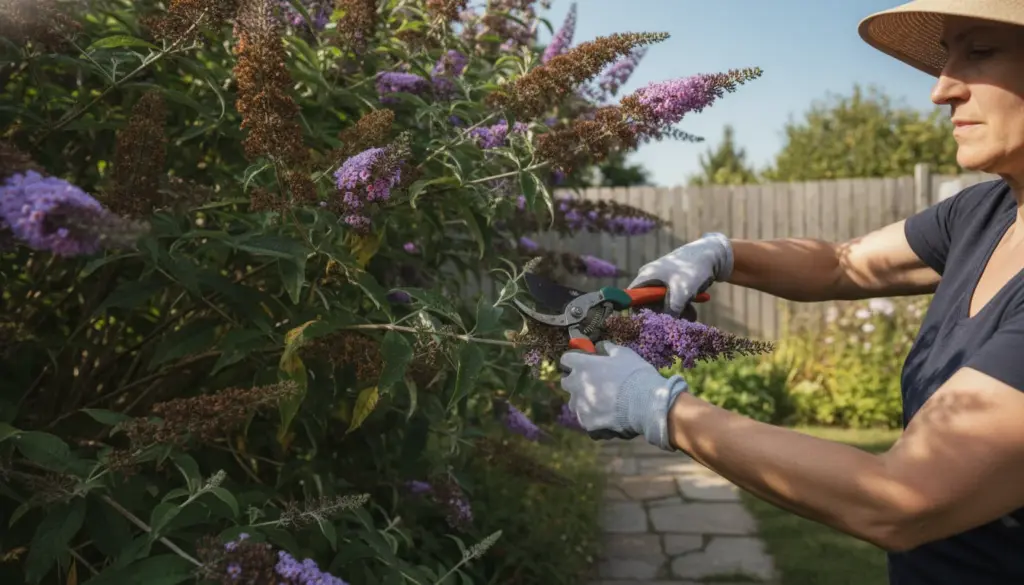
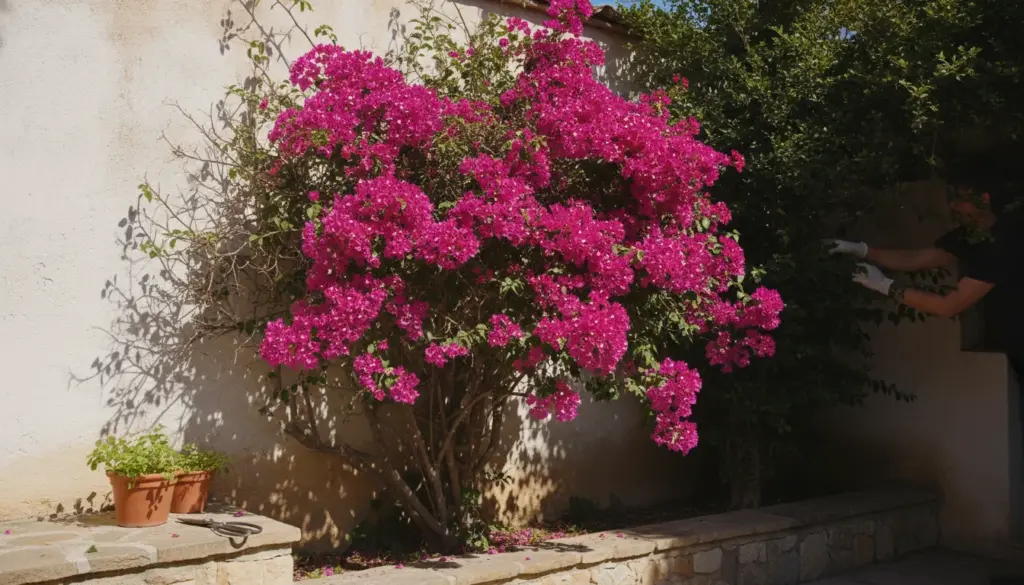
A surprising number of gardening enthusiasts hesitate when it comes to cutting back their beloved plants. However, avoiding the garden shears is frequently the exact reason why development comes to a screeching halt. Plant experts consistently point out that a lack of pruning confidence is a primary care mistake. You simply have to be brave enough to make those strategic cuts.
Giving your bougainvillea a proper trim serves two essential functions:
- Stimulating fresh growth: Grabbing your shears in the fall or during early spring just before new buds emerge will actively encourage branching. Trimming prompts the plant to push out fresh, resilient shoots right at the cut points.
- Maintaining a beautiful shape: These vigorous climbers are notorious for sending out incredibly long, solitary wandering vines. To maintain a dense and bushy silhouette, it makes sense to regularly snip away these runaway branches. Just be extra careful to avoid their sharp thorns during the process.
Location and Daily Care Routine for Maximum Vitality
Right next to a confident pruning routine, selecting the perfect environment is the ultimate secret to a flourishing specimen. Since this vibrant beauty originates from intensely sunny regions, its environmental demands are incredibly specific. Placing it in direct, full sunlight is absolutely non-negotiable.
- Abundant light and warmth: You must position your bougainvillea in the absolute brightest spot available to you. Any shade or prolonged lack of sunlight will inevitably result in a complete standstill in development. The surrounding area needs to stay consistently warm throughout the day, and during the cooler spring months, covering the plant at night offers essential protection.
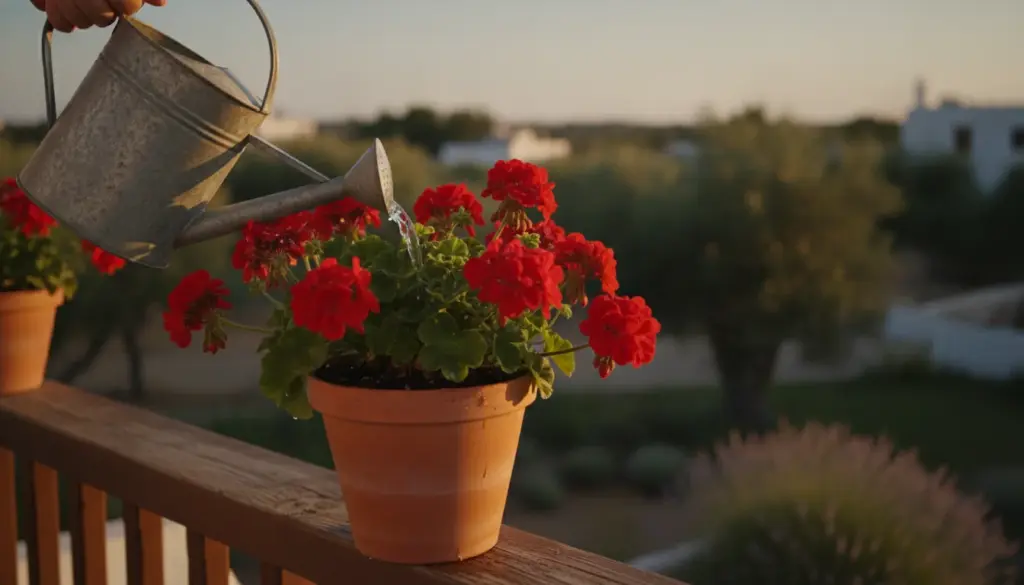
- Balanced hydration: This tropical favorite craves a highly consistent watering schedule. The trick is allowing the root system to dry out significantly between drinks to completely prevent root rot, while ensuring the soil never turns bone dry.
- Essential nourishment: Throughout the active growing season from May through September, your plant will be extremely hungry. Applying a high-quality container plant fertilizer every one to two weeks is mandatory to support that brilliant, colorful display.
Why is my bougainvillea refusing to bloom?
If that anticipated explosion of bright colors fails to materialize, the problem usually stems from three specific issues. The most prevalent error is placing the container in partial shade. These plants are absolute sun-worshippers and require constant, intense light paired with persistent warmth to develop their famous flower buds. Setting them in dimly lit corners is guaranteed to prevent flowering.
Secondly, a courageous pruning session is practically mandatory. Without removing older growth, the plant lacks the biological signal to generate fresh branches capable of flowering. Finally, never underestimate the power of proper nutrition. Applying a phosphorus-heavy fertilizer during the warmer months fuels the energy required for those massive floral displays, while a properly temperature-controlled winter resting spot ensures success for the following year.
Frequently Asked Questions
Can improper watering actually stunt my plant’s growth?
Absolutely, as both extremes are incredibly damaging. Sitting in waterlogged soil quickly causes the roots to rot away, completely halting nutrient absorption and stopping all physical progress. On the flip side, overwatering might just result in an abundance of green foliage with zero flowers, while extended drought puts the plant into severe survival mode. Striking a perfectly balanced hydration routine is your best defense.
How important is fertilizer for overall development?
From the first signs of spring until the end of summer, this aggressive grower burns through resources rapidly. A noticeable deficiency in key elements, especially nitrogen, often reveals itself through yellowing foliage and a complete halt in new growth. Keeping a strict, regular feeding schedule is essential for sustaining long-term health and vitality.