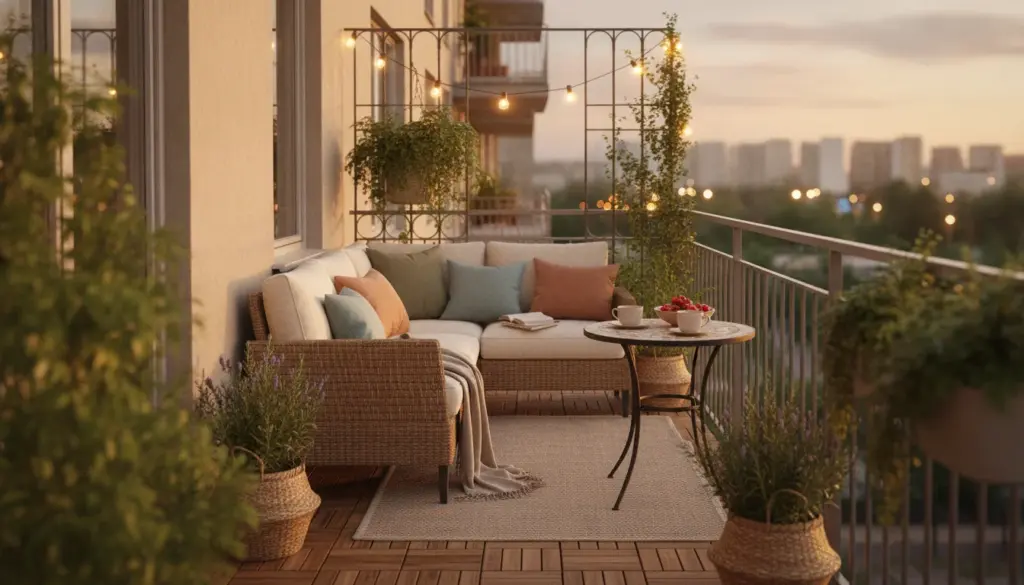
Summer is the perfect time to unwind in our own outdoor spaces. Even if you only have a compact balcony or a narrow loggia, transforming it into an intimate retreat is entirely possible.
Unfortunately, these open-air living rooms often end up neglected and underutilized. Yet, creating a truly inviting atmosphere doesn’t require a massive overhaul. With just five strategic steps, you can craft a highly personal outdoor oasis.
Step 1: Selecting the Ideal Flooring
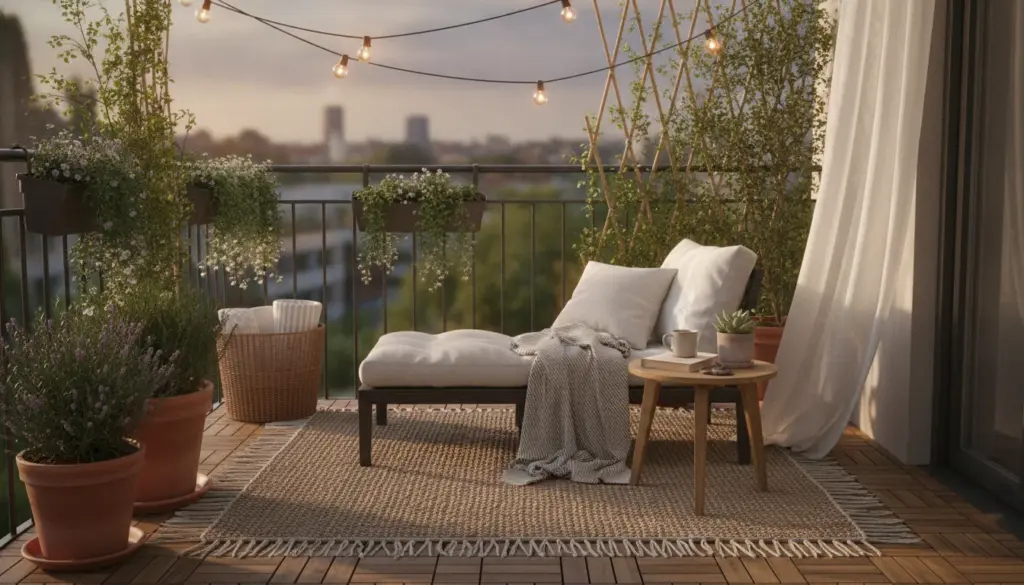
Consider yourself lucky if your outdoor space already features elegant wooden decking. More often than not, we are greeted by dull tiles or bare concrete. Installing interlocking wooden outdoor tiles is a fantastic upgrade. For a quicker fix, simply roll out a water-resistant and UV-stable outdoor rug. This single addition instantly brings a cozy living room vibe out into the fresh air. Just ensure your chosen rug allows water to drain and evaporate after a heavy downpour, preventing it from turning into a soggy, mossy sponge.
Step 2: Furnishing Your Balcony Layout
Everyone utilizes their outdoor square footage differently. Some prefer dining al fresco, while others want a quiet corner to dive into a good book. Alternatively, creating a lush plant paradise might be your top priority. Especially when dealing with limited dimensions, deciding on one primary function is crucial for a harmonious design.
Designing an Outdoor Dining Room
Hosting friends for a barbecue around a spacious dining table is a dream scenario. If you have the square footage, this setup works beautifully. Always factor in enough clearance behind the chairs so guests can easily push back and stand up. Opting for benches can save precious room since they don’t require that extra push-back space.
Even a narrow layout can accommodate a charming dining nook. Folding chairs can be instantly tucked away into a corner when not in use. Paired with a clever folding table that hangs over the railing, enjoying meals in the sunshine becomes effortless.
Creating a Chillout Zone
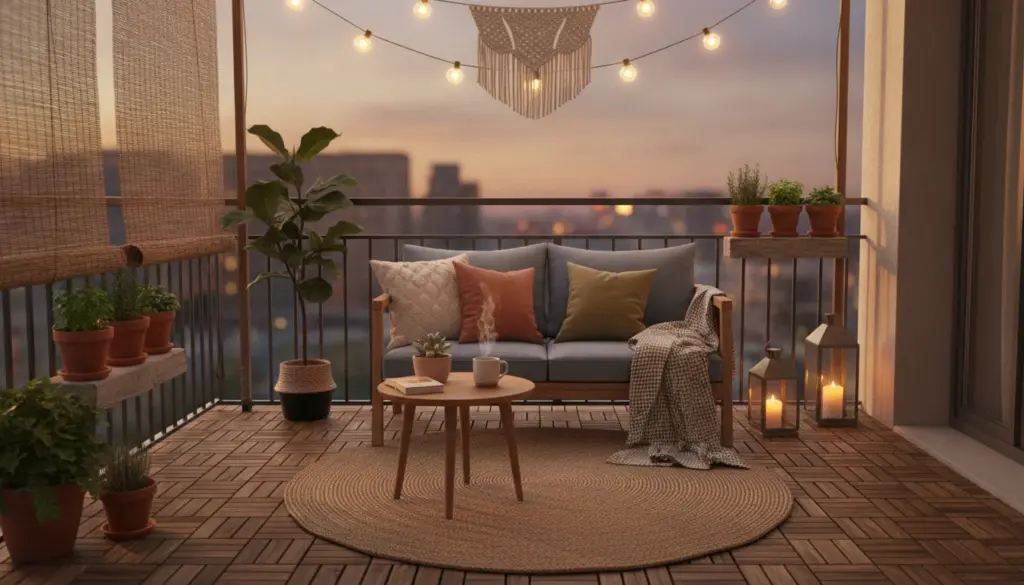
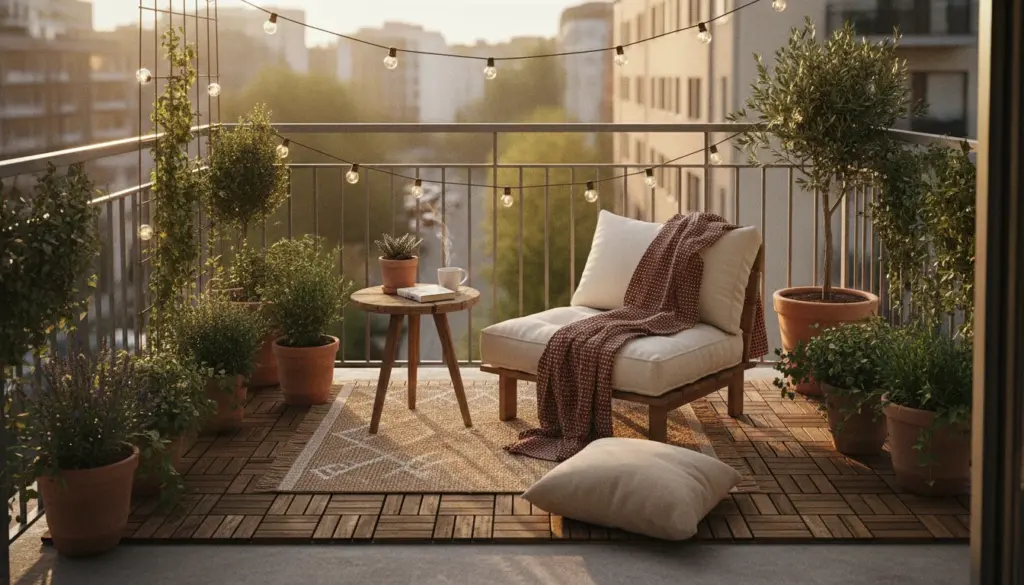
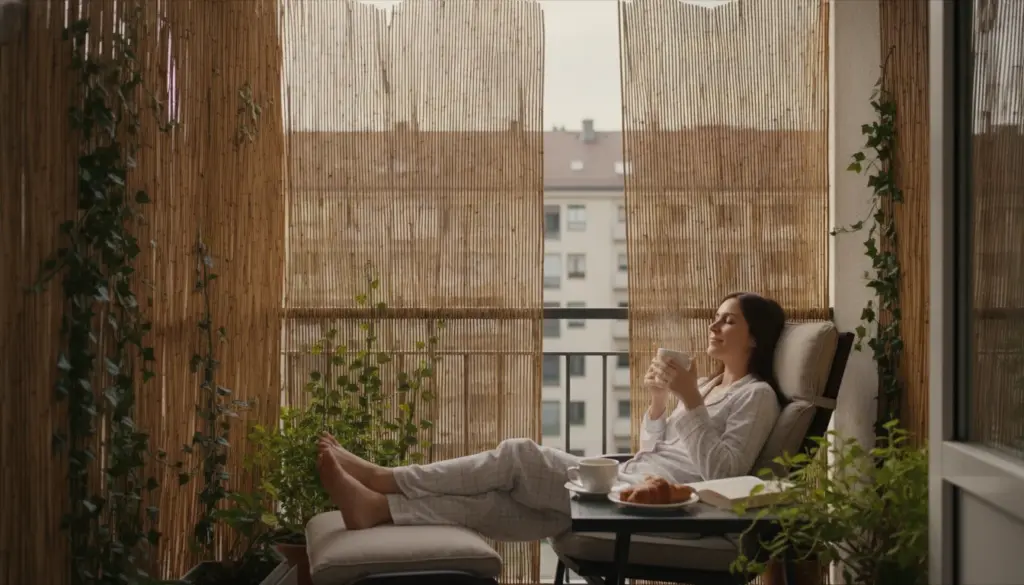
If your ultimate goal is lounging with a fresh cup of coffee, dedicating space to a large dining table makes little sense. Lounge furniture is available in virtually every dimension. Those with expansive areas can easily fit a complete seating landscape or a plush outdoor sofa. For cozier layouts, one or two comfortable lounge chairs usually fit perfectly. Look for designs featuring slide-out footrests to elevate your comfort. Add a compact side table, and your reading and coffee corner is ready.
Building a Mini-Garden
When foliage is the main focus, traditional seating takes a backseat. Utilizing various stools, potting benches, and vertical shelving units will provide all the necessary infrastructure for your green thumb. In tight quarters, multifunctional pieces are incredibly practical. A sturdy storage bench can house your pruning shears and plant pots while simultaneously offering a place to sit.
Expert Tips for Choosing Furniture
When selecting outdoor furnishings, your personal aesthetic should always lead the way. Whether you lean toward natural wood, sleek metal, or durable polyrattan; modern minimalism, or boho-chic, the choice is yours. However, in confined areas, sticking to a cohesive style rather than mixing multiple designs prevents visual clutter. Keep the color palette restrained to avoid overwhelming a small space.
Crucially, pay attention to the geographic orientation of your building. North-facing spots receive minimal direct sunlight, meaning materials dry at a much slower rate and must be exceptionally weather-resistant. Conversely, south-facing areas bake in the summer heat. Metal seating here can quickly reach scorching temperatures that could cause burns.
Step 3: Integrating Greenery
An outdoor sanctuary without plants is hardly complete. Even with restricted floor space, you can incorporate numerous planters without sacrificing mobility. The key to successful balcony gardening is matching your greenery to your light exposure. East or west orientations generally offer ideal growing conditions for a wide variety of species. North-facing spaces demand shade-loving varieties that thrive in higher humidity. On a south-facing layout, your plants must endure intense heat, making robust Mediterranean species an excellent choice.
Beyond light requirements, let your taste dictate the selection. You might fill the area with fragrant summer blooms for a sensory experience. Alternatively, growing edible crops is incredibly rewarding. Herbs, strawberries, and spring onions flourish in remarkably small containers. With just a bit more room, your balcony can rival a traditional garden. A mini raised bed or compact greenhouse can yield diverse vegetable harvests. Dwarf fruit trees, like apple or plum, and potted berry bushes allow you to establish a sweet snacking balcony filled with tomatoes and fresh berries.
Step 4: Ideas for Ultimate Coziness
Your plant pots often double as the primary decorative elements. To maintain a serene and cohesive aesthetic, stick to a strict color scheme—such as using exclusively terracotta planters for a warm, Mediterranean feel.
Outdoor textiles are essential for creating an inviting atmosphere. Beyond the foundational floor rug, incorporate weather-resistant tablecloths, seat cushions, and decorative pillows. As the evening air cools down, a soft throw blanket brings an undeniable snugness, though it’s best to bring these fabric pieces indoors overnight.
Proper illumination completes the ambiance. Solar-powered string lights are practically maintenance-free and cast a warm glow automatically at dusk. Use these sparingly to prevent excessive light pollution, which can disrupt local wildlife. Battery-operated LED lamps and traditional wind lanterns also introduce a lovely, romantic touch.
Step 5: Prioritizing Sun and Privacy Protection
To truly savor your open-air retreat, adequate shade is non-negotiable. The market offers a vast array of parasols and shade sails. Before purchasing, review your building’s regulations, as some homeowner associations mandate specific colors for exterior uniformity. Implementing proper sun protection also shields your plants from scorching on blistering days.
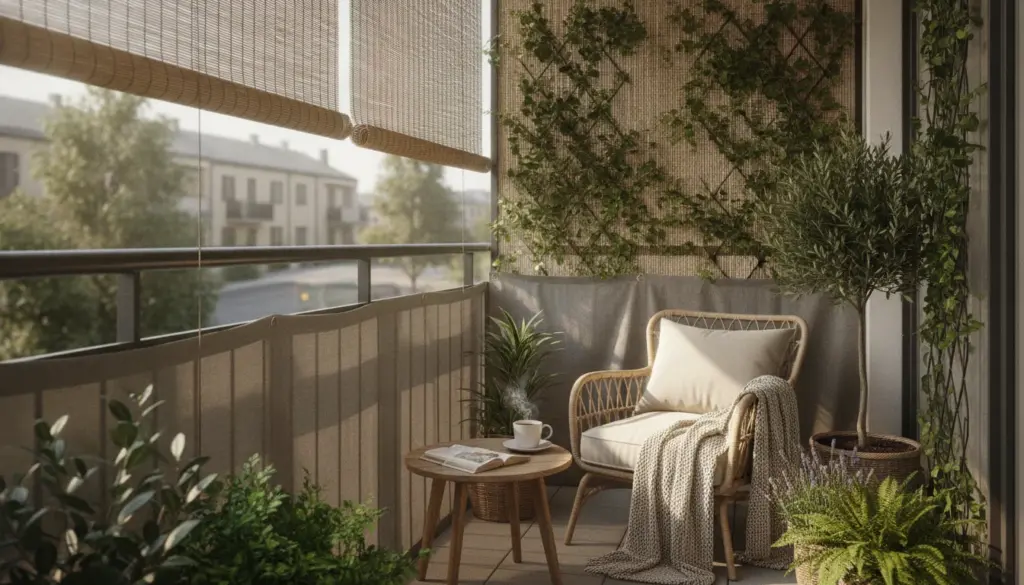
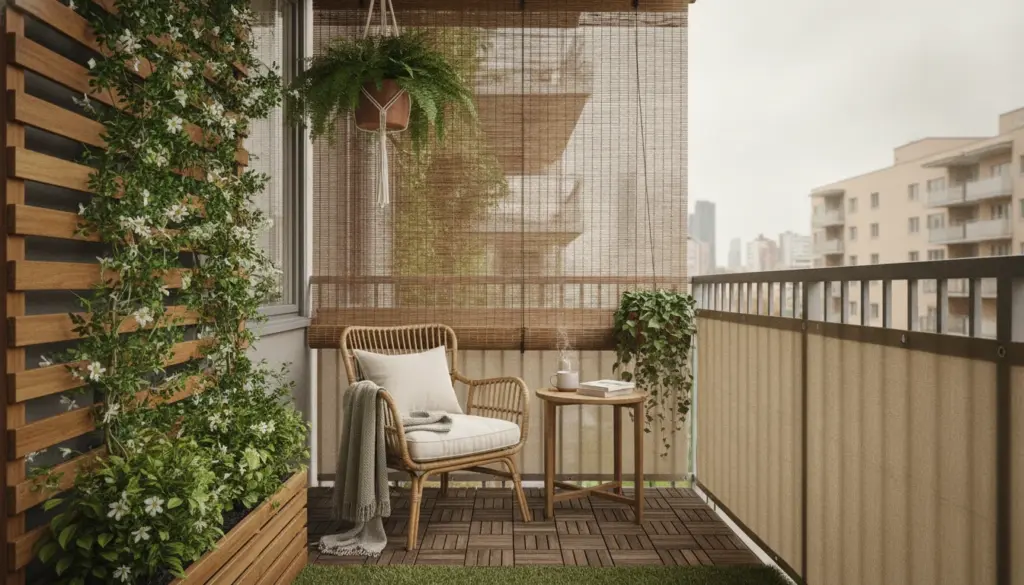
Depending on your location, neighbors or pedestrians might have a direct line of sight into your seating area. Installing a privacy screen keeps curious eyes at bay. Bamboo mats can easily wrap around railings, while tall ornamental grasses in deep planters elevate the visual barrier. Vertical planting is another fantastic shielding method: secure a trellis to your railing and let climbers like ivy or blackberries weave their way up. Just monitor fast-growing vines closely, as they can sometimes damage exterior plaster.
FAQ: Essentials for a Cozy Balcony
How can I make my small outdoor space feel inviting?
Transforming a compact layout into an oasis requires just a few targeted upgrades. Combining the right flooring, appropriately scaled furniture, lush plants, and weatherproof textiles like pillows instantly generates a living room ambiance. The secret is defining one primary use for the area and maintaining a unified decorative style.
Which flooring is best suited for a balcony?
For a rapid injection of comfort, a water-resistant, UV-treated outdoor rug is unbeatable. Wooden decking tiles are another highly attractive option. Whatever you choose, ensure the materials allow rainwater to evaporate swiftly, preventing the accumulation of soggy moss.
How do I utilize a tiny layout as a miniature garden?
Surprisingly high yields can be achieved in limited square footage. Herbs, strawberries, and tomatoes thrive in basic pots, while dwarf fruit varieties and berry bushes are bred specifically for container life. Introducing a compact raised bed or mini-greenhouse transforms the area into a productive edible garden without monopolizing the floor plan, ensuring a delightful harvest.
What decorative accents enhance the cozy factor?
Durable textiles like outdoor pillows, table runners, and evening throw blankets immediately soften the aesthetic. Using matching planters—like uniform terracotta containers—cultivates a visually calming environment. Finally, solar string lights and lanterns provide effortless, ambient evening illumination without dealing with cumbersome extension cords.
What type of furniture works on a very narrow layout?
When width is at a premium, every inch matters. Classic folding chairs and specialized tables that hook directly onto the railing are brilliant space-savers. Alternatively, a single lounge chair with a slide-out footrest creates a condensed relaxation zone. Multifunctional items, such as a sturdy storage chest that doubles as bench seating, maximize both utility and comfort.