As soon as the summer heat sets in, an unpleasant surprise often awaits in the organic waste bin: crawling white maggots. Tackling this pest problem requires a few strategic steps to eliminate the current larvae and stop them from ever coming back.
Those squirming intruders are actually the larvae of common houseflies and blowflies. These insects are heavily drawn to the pungent smells and high moisture levels of decomposing food. As organic matter breaks down, it releases irresistible scents like butyric acid and hydrogen sulfide. A dark, warm, and humid trash can provides the ultimate breeding ground, allowing a single female fly to lay up to 150 eggs every couple of days.
Because these eggs hatch at lightning speed, a minor nuisance can quickly escalate into a massive infestation. Breaking this unhygienic cycle comes down to two main strategies: blocking access for adult flies and eliminating their ideal breeding environment. Maintaining strict dryness inside your container is the absolute most effective defense mechanism.
How to prevent maggots in your organic waste bin
- Optimal placement: Always position your green bin in a shaded, cool area all year round, such as inside a well-ventilated garage. Direct sunlight rapidly heats the container, accelerating the rotting process and magnifying odors that attract pests.
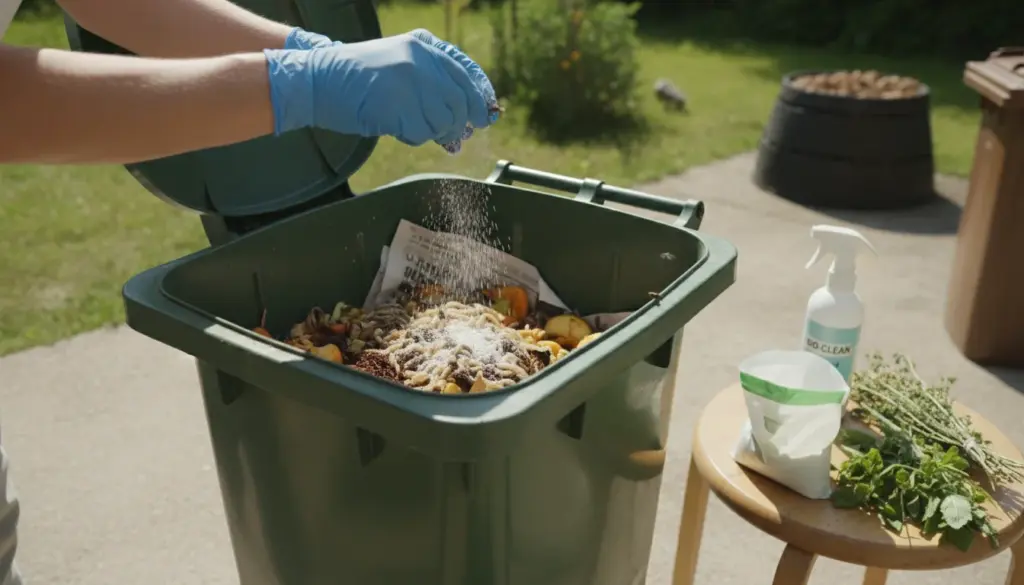
- Prioritize dryness: Moisture is the enemy of a clean bin. It is highly recommended to wrap damp kitchen scraps in a few sheets of newspaper before tossing them out. You can also create absorbent layers at the base of your bin and between fresh additions. Shredded egg cartons, dried grass clippings, and sawdust work wonders for soaking up excess fluids. If you lack sawdust, inexpensive natural pet bedding made from wood shavings makes a fantastic alternative. Repurposing these kitchen scraps as garden compost is another excellent way to reduce bin waste.
- Watch what you throw away: Never dispose of animal products like leftover meat, fish, sausages, or dairy in your organic waste. The proteins found in these specific foods are massive fly magnets. Instead, seal these items tightly and place them in your standard residual waste bin.
- Secure the lid: Ensure your bin cover remains tightly shut at all times, preferably with an intact rubber seal. For an extra layer of protection, try wiping the rim of the container with diluted lavender oil or a citrus solution. These natural scents are highly repulsive to flying insects.
- Neutralize odors: Lightly dusting the top layer of your refuse with rock dust is an excellent maintenance trick. This natural mineral powder instantly soaks up lingering moisture while effectively neutralizing the foul smells of decay.
Maintain a strict cleaning routine
Regular hygiene is crucial for long-term prevention. Make it a habit to thoroughly wash out your organic waste bin, ideally right after the collection truck has emptied it. Using a high-pressure cleaner or a garden hose with a strong nozzle will dislodge any sticky residue trapped at the bottom.
Afterward, scrubbing the interior walls and the lid with a simple mixture of water and vinegar serves a dual purpose. Not only does the acidic solution obliterate lingering smells, but it also acts as a natural deterrent for future flies. Finally, leave the lid wide open and let the container dry completely in the bright sunshine before adding any new trash.