The First Signs: Leaves Can Deceive, Roots Never Do
Everything above the soil might look perfectly fine. Yet, a nagging feeling remains that something just isn’t right. The foliage isn’t diseased, the color remains vibrant, but the plant simply feels stressed. You pick up the container and immediately notice how unusually light it is. Underneath, pale, thin strands are poking through the drainage holes, almost as if they are desperately searching for an exit. That is the exact moment you realize the issue doesn’t lie with the foliage, but rather with the cramped environment hiding below.
Most indoor gardeners focus entirely on the canopy, completely missing the crucial story unfolding in the dark, restricted world beneath the soil.
The strange reality of botany is that a houseplant can appear remarkably vibrant while its underground system has been suffocating for weeks. You might notice a subtle sluggishness in growth, newly formed shoots remaining unexpectedly small, or potting mix that turns bone dry in record time. It isn’t a dramatic collapse, but rather a quiet suppression of energy.
If you pay close attention, miniature warning signs become visible. Foliage edges might droop slightly faster on warm afternoons, only for the plant to perk right back up once evening sets in. This behavior signifies a root mass stretched to its absolute limit, rather than just everyday thirst.
The ultimate wake-up call happens when your potting soil feels totally parched mere moments after a deep soaking. This doesn’t happen because your green companion is exceptionally thirsty. Instead, it indicates that roots have consumed almost the entire container volume. At this stage, the container holds more root mass than actual dirt.
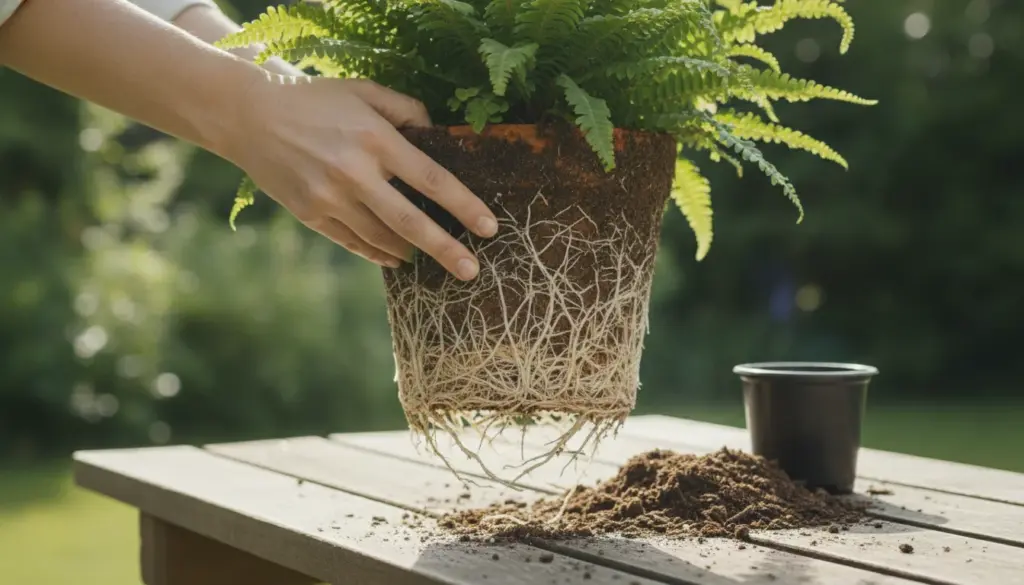
A classic scenario plays out when someone proudly displays a thriving indoor specimen that produces endless cuttings. Its foliage gleams, yet the entire pot tips over with a gentle breeze. When you lift it, the container feels hollow. One gentle tap against the rim allows the whole mass to slide out intact, completely bound in a tight web of white fibers.
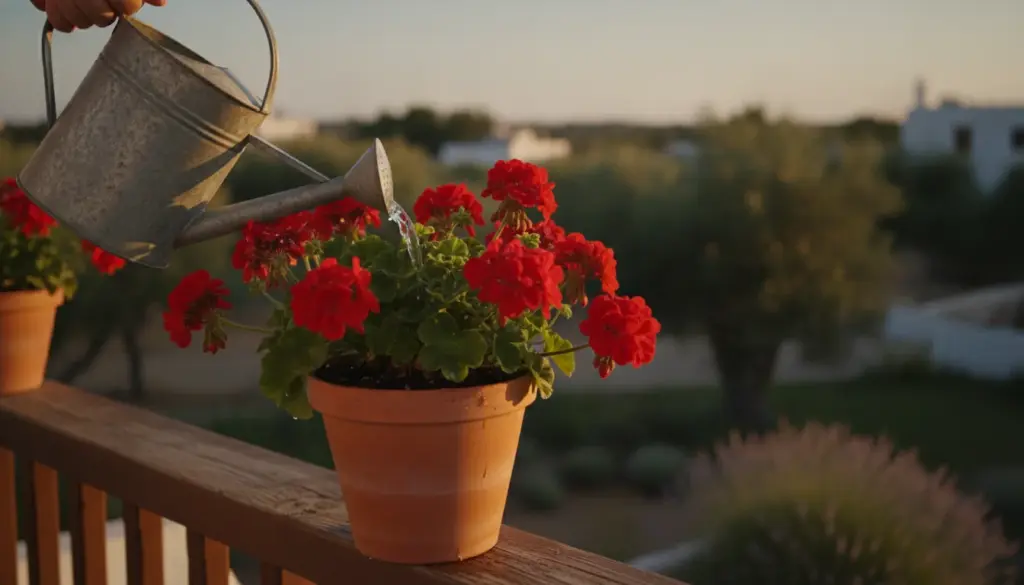
This exact phenomenon occurs on balconies, too. Trailing geraniums might produce an explosion of blooms in early summer, only to mysteriously crash by late August. The culprit isn’t a lack of fertilizer. Instead, the root system has formed a dense, circular wall against the plastic, leaving the center completely dry regardless of how frequently you water.
The Hidden Dangers of Circling Growth
Professional horticulturists follow a strict guideline regarding this issue. Once a root system occupies more than 70% of the pot’s volume, the plant enters a high-risk zone. In everyday terms, if unpotting reveals a solid block of fibers with barely any loose soil left, you are rapidly running out of time to act.
From a biological standpoint, roots naturally spread outward to discover fresh moisture and nutrients. When confined in restricted spaces, they hit the barrier and begin tracing endless circles. These spiraling strands eventually choke one another, forming a cork-like barrier around the entire mass.
Moisture simply cascades down the inner walls, completely bypassing the crucial center. The exterior might seem perfectly saturated, while the core remains dangerously dehydrated. This explains why a specimen can inexplicably exhibit symptoms of being simultaneously overwatered and severely underwatered.
Nutrient absorption also suffers drastically under these conditions. Fresh, active root tips lack the physical space necessary to develop properly. Consequently, the organism survives purely on its reserves, slowly depleting its energy rather than genuinely thriving. By the time these deficiencies manifest as yellowing leaves weeks later, the underground crisis is already severe.
Intervening Early: Observe, Touch, and Lift
The most effective diagnostic test starts with a very basic action: picking up your container. Don’t just move it aside; consciously register its weight. A well-established, healthy container possesses a comforting density. Conversely, a cramped environment will either feel suspiciously weightless or bizarrely heavy but bone dry inside.
Next, inspect the underside of the planter. Are multiple strands pushing through the drainage holes, appearing white, yellowish, or perhaps brown? They are actively searching for a new home. While one stray tip is perfectly normal, a thick bundle escaping the bottom is a definitive distress signal.
You can also gently test the main stem near the soil line. If a long-standing plant wiggles loosely in its home, it lacks the necessary stabilizing anchor system. On the flip side, if it feels cemented to the plastic liner, you are likely dealing with a dense, impenetrable mass that has nowhere left to expand.
Most enthusiasts only investigate below the surface when foliage turns limp, blotchy, or pale. Waiting for these symptoms is comparable to checking your engine oil only after smoke billows from the hood. Every indoor gardener has experienced that sudden, unexplained collapse of a beloved specimen that had actually been dropping subtle hints for months.
Ditching the Calendar Approach
A frequent misstep involves strictly following seasonal schedules rather than observing behavioral cues. Flora rarely adheres to our artificial timelines. A vigorous tomato variety might outgrow three different containers in a single summer, while a snake plant remains perfectly content in the same spot for half a decade.
It is important to give yourself grace. Recognizing these subtle shifts takes practice. We have all experienced that moment of unearthing a completely choked root ball and feeling a twinge of guilt. That minor embarrassment is exactly what sharpens your observational skills for the future.
Realistically, nobody inspects underground development on a daily basis. Popping plants out of their pots every week sounds ideal in theory but fails in practice. Instead, adopt one effortless habit. Whenever you grab your watering can, ask yourself if the moisture absorption seems logical. This single question catches most issues long before they become critical.
An experienced nursery worker once handed me a hopelessly tangled specimen and shared a valuable insight: roots always reveal the truth long before the foliage does, provided you are willing to actually look.
To keep your diagnostic skills sharp, consider these practical habits:
- Lift one or two randomly selected containers out of their decorative sleeves monthly for a quick weight check.
- Jot down a quick note about why you decided to upgrade a specific pot to help identify future patterns.
- Always size up gradually, choosing a slightly larger home rather than an oversized tub.
- Lightly score spiraling roots with sterile shears to stimulate fresh, outward expansion.
- Watch for the classic danger combo: rapid drying out combined with fibers escaping the bottom holes.
Providing Space Without Causing Stress
A plant does not require an enormous vessel to feel uninhibited. Success ultimately comes down to proper proportions. When the root system occupies roughly two-thirds of the internal volume, leaving plenty of airy soil around the perimeter, you have established a healthy buffer. This ratio applies equally to living room tropicals, balcony boxes, and raised vegetable beds.
Think of underground development as a slow-moving narrative. You provide an environment where your green companion can comfortably reside for a year or two. Hold off on upgrading until you spot multiple confirming indicators, such as circling growth, lightning-fast drying, and strange pauses in development. A single symptom might be a fluke, but three create an undeniable pattern.
Sometimes the most beneficial action isn’t providing extra resources, but rather changing how you accommodate what already exists. Cramming a thriving specimen into a slightly-too-small decorative sleeve just because it matches your decor will eventually trigger a decline. Combining aesthetics with adequate growing room is not a luxury; it is a fundamental biological requirement.
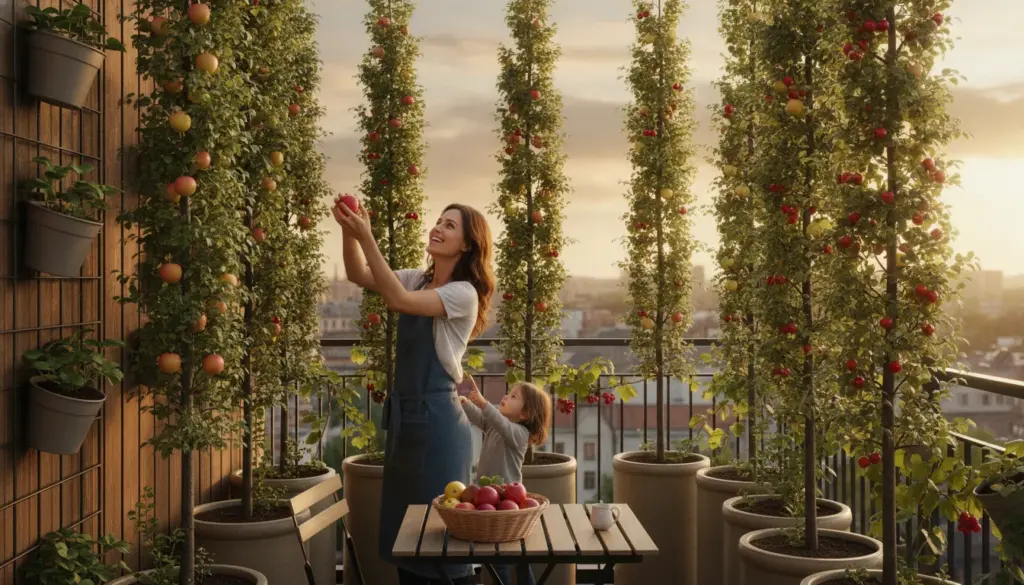
To reduce your own gardening anxiety, categorize your collection into three manageable groups. Fast-paced growers, like basil or tomatoes, require evaluations every few months. Sluggish indoor tropicals only need an annual review. Meanwhile, massive, established patio trees should be monitored for overall stability rather than total volume.
Avoiding the Oversizing Trap
Resist the urge to make a massive leap in container size. Moving a compact leafy friend into a giant tub guarantees the surrounding dirt will stay wet for far too long. The root system will struggle to navigate the vast space, creating the perfect breeding ground for fungal pathogens. Stepping up just one or two sizes is infinitely safer.
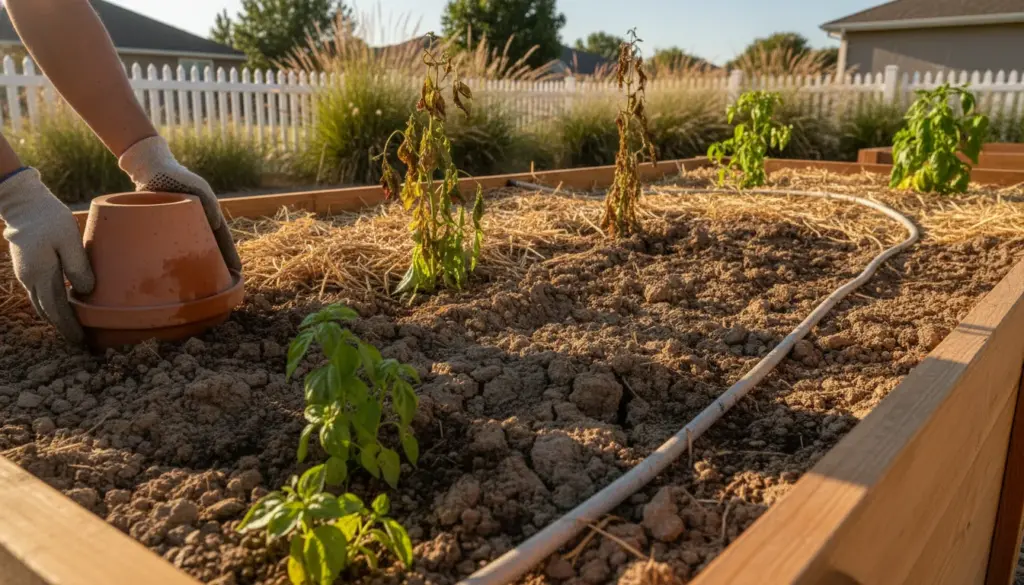
Another common misconception is assuming that roots will effortlessly figure things out once planted in the open garden. Heavy, compacted clay can restrict growth just as severely as a tight plastic liner. Taking a moment to gently loosen a bound mass before placing it in the ground prevents the plant from endlessly circling in the exact shape of its former home.
The most rewarding gardening moments often happen spontaneously. You pick up a planter, sense it lacks the proper weight, and decide to tackle an impromptu repotting session on a sunny afternoon. Getting your hands dirty, teasing apart that dense white web, and settling it into fresh dirt feels incredibly satisfying. Weeks later, you will witness the organism breathing easier, pushing out lush foliage with renewed vigor.
Once you train your eyes to recognize these early distress signals, you can never unsee them. Suddenly, you will notice exactly which window boxes dry out too fast, which drainage holes are overflowing, and which nursery pots are bulging at the seams.
This awareness fundamentally shifts how you discuss your indoor jungle. The conversation moves beyond just pretty blossoms and shiny leaves, focusing instead on the hidden mechanics of survival. You begin to appreciate the unseen requirements for space, oxygen, and unhindered expansion.
Frequently Asked Questions
- How often should I upgrade my indoor greenery? While most standard houseplants benefit from a larger container every one to two years, you should prioritize physical cues. Rapid drying, stunted development, and fibers escaping the bottom are much more reliable indicators than an arbitrary calendar date.
- Is it dangerous if roots spiral inside the container? Yes, strands that constantly circle the perimeter will eventually strangle one another, severely blocking moisture and nutrient uptake. When relocating the plant, always gently tease these bound fibers apart so they can explore the fresh soil.
- Can a container actually provide too much room? Absolutely. When placed in an overly spacious tub, the excess soil holds onto moisture for extended periods. This suffocates the underground system, drastically increasing the risk of rot and dangerous fungal infections.
- How can I distinguish between normal thirst and hidden root issues? A genuinely thirsty specimen will perk up almost immediately after a thorough soaking. If you are dealing with spatial restrictions, the foliage might briefly recover before rapidly drooping again, displaying illogical symptoms despite regular watering.
- Is fertilizer strictly necessary immediately after repotting? Fresh commercial potting mixes generally contain enough slow-release nutrients to sustain your greenery for several months. Save the supplemental liquid feedings for when the plant resumes active, visible growth and has firmly established itself in its new home.