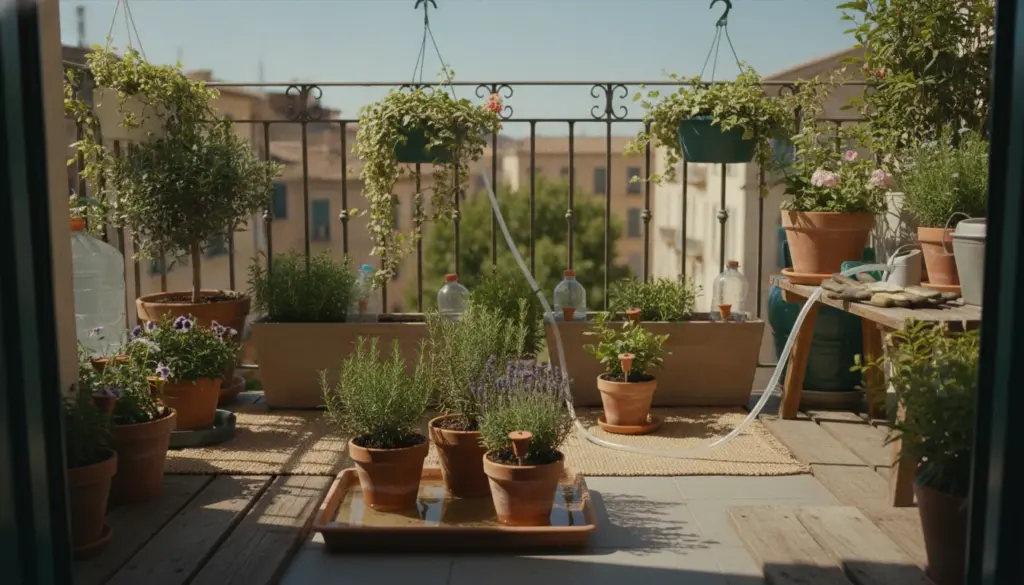
Preparing Your Outdoor Oasis for Time Away
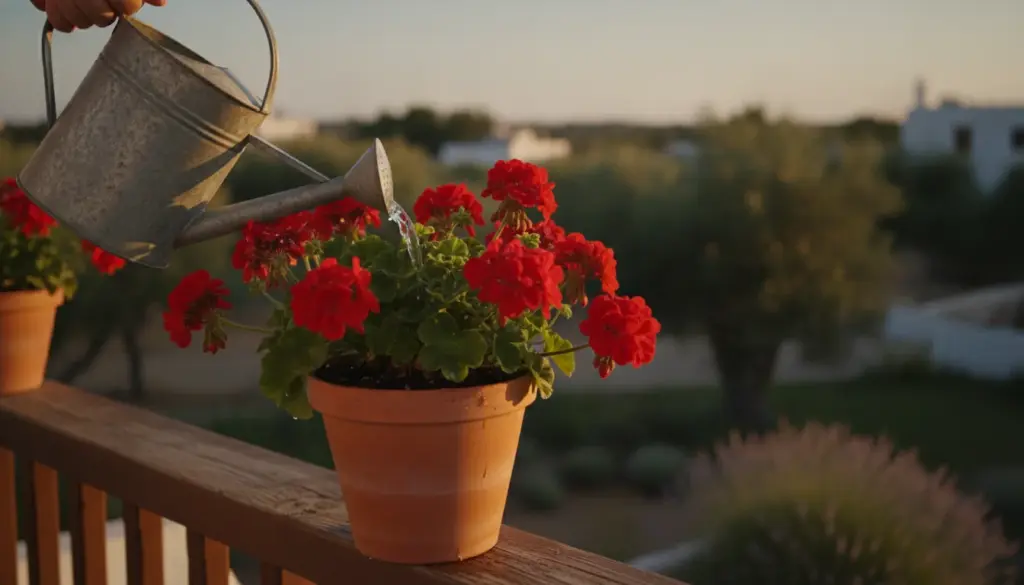
Summer has officially arrived, and your outdoor planters are likely looking absolutely gorgeous right as you start packing your bags for a well-deserved getaway. Unfortunately, what feels like pure relaxation for you often translates to massive stress for your greenery. Blistering heat, direct sunlight, and a sudden halt in your watering routine can quickly spell disaster. In just a handful of days, even the most resilient varieties will start drooping, shedding crispy leaves, or withering away entirely.
Implementing a solid holiday watering strategy means you will never have to strip your terrace bare or try to schedule your travels around local weather forecasts. From basic household hacks to sophisticated self-watering reservoirs, there is a perfect hydration solution for every type of setup.
Clever Hydration Methods for Every Trip Length
The most straightforward approach is to give everything a heavy, thorough soaking right before you head out the door. When the potting mix is fully saturated, your greenery can draw from those deep reserves much longer.
Next, consider shifting your blooming beauties into a shaded corner or temporarily bringing the pots indoors. This drastically cuts down on moisture evaporation and offers excellent protection against violent summer thunderstorms. Keep in mind, however, that this specific method is generally only sufficient for quick weekend getaways.
For slightly longer absences, you can get creative with everyday household items. One highly effective technique utilizes your bathroom. Simply line your bathtub with old towels, add a shallow layer of water, and place your plants directly on the wet fabric. Make sure to remove any decorative outer pots first so the drainage holes are exposed. This allows the root systems to continuously pull up moisture exactly when they need it.
Upgrading to Automated and DIY Systems
Another classic DIY hack relies on recycled plastic water bottles. Puncture a few small holes in the cap, fill the container with tap water, and quickly plunge it upside down deep into the soil. This creates an immediate, steady moisture drip. Just be sure to test the hole size a few days in advance to prevent accidental flooding, and verify that the bottle is securely anchored in the dirt.
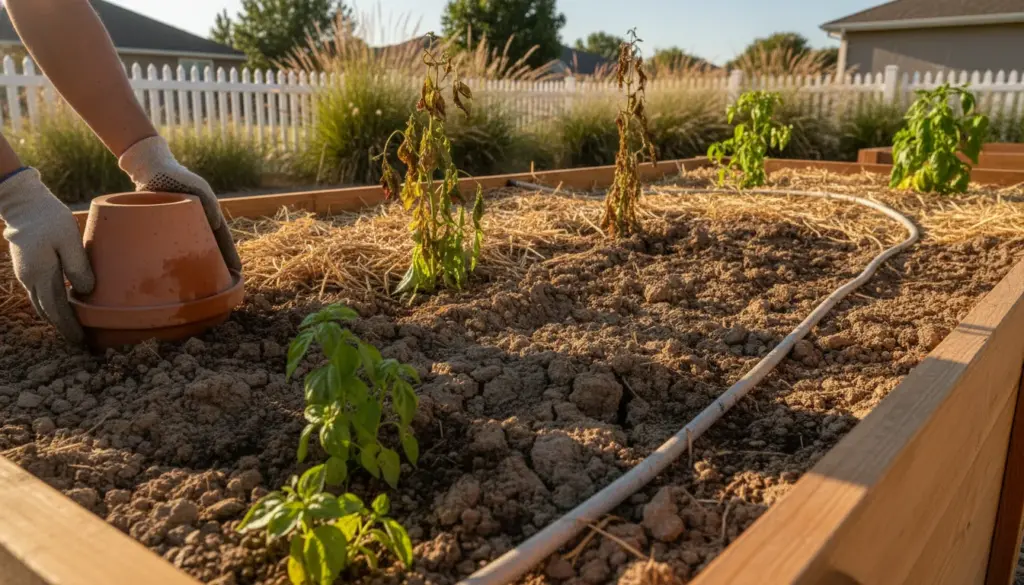
If you prefer a more high-tech route, upgrading to modern planters equipped with built-in reservoirs is a fantastic investment. These clever containers use capillary wicks to self-feed the root zone. Fill the tank to the brim before departure, and your botanical friends will be perfectly content for a week or more. Alternatively, setting up an intelligent drip irrigation system can provide precise, timed watering right at the soil surface.
The Ultimate Backup Plan
Of course, the absolute safest bet remains calling in a favor from a trusted neighbor or friend. Having someone physically check on your flora is invaluable, especially during unexpected heatwaves. Plus, they can conveniently empty your mailbox and let some fresh air into your home while they are at it.
If you return home to find a few unfortunate casualties despite your best efforts, try not to stress. You can always gently remove the stubborn, dried-out stems and refresh your arrangement with some vibrant new blooms to keep the summer vibe alive.
Additional Hydration Concepts to Keep in Mind
By preparing your containers ahead of time and understanding basic evaporation principles, you can significantly lower your garden’s overall water consumption. Here are a few related strategies to consider:
- Protecting greenhouse vegetables: Trapped heat drastically accelerates evaporation under glass, so establishing a robust moisture plan is vital to keeping delicate crops like tomatoes and cucumbers alive while you travel.
- Planning a full garden irrigation network: Designing a system of sprinklers and targeted drip lines early in the season saves immense amounts of time, effort, and money in the long run.
- The paper towel wick method: For indoor houseplants, twisting a simple piece of thick kitchen paper into a tight cord can efficiently transport moisture from a nearby glass of water directly into the center of the potting soil.