
It can be incredibly frustrating when a previously vibrant bougainvillea suddenly stops producing its signature colorful bracts. Despite their exotic roots, these vigorous climbers are remarkably resilient and rarely fall victim to pests or diseases. If your tropical beauty seems frozen in time, refusing to push out new leaves or flowers, the culprit is almost always a minor misstep in your daily care routine. Fortunately, by making a few targeted adjustments to how you trim and position the vine, you can quickly coax it back into a state of glorious, energetic growth.
Pruning as a Powerful Growth Trigger
Many passionate container gardeners feel hesitant about heavily trimming their beloved climbers. However, holding back on the pruning shears is actually one of the most common reasons why these plants fail to thrive. Having the confidence to make bold, decisive cuts is absolutely essential for cultivating a healthy, prolific specimen.
Strategic trimming serves two fundamental purposes for your tropical vine:
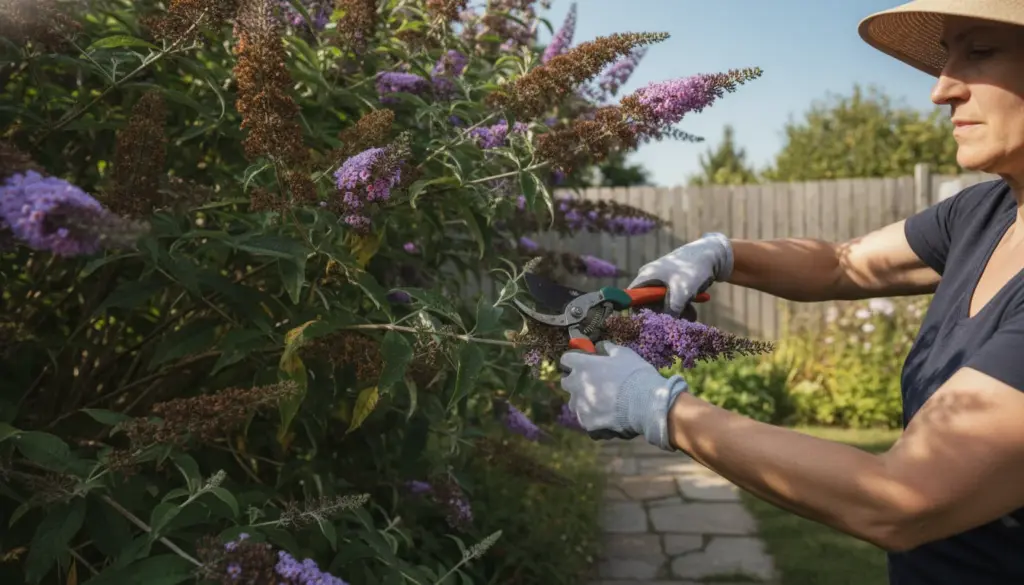
- Kickstarting fresh growth: Trimming the branches back in the autumn or early spring, right before the new growing cycle begins, is highly beneficial. This process forces the plant to branch out, directly stimulating the development of robust new shoots exactly where the cuts were made.
- Maintaining an attractive shape: Left to their own devices, these vines naturally send out long, unruly, singular stems. To encourage a dense, bushy appearance, it is perfectly fine to regularly snip away these wandering “runaways” throughout the season. Just remember to wear thick gloves to protect your hands from the sharp thorns.
Optimal Placement and Essential Upkeep
Beyond skillful trimming, finding the perfect microclimate is the second most crucial element for a thriving display. Because these vibrant beauties originate in hot, sun-drenched environments, they have very specific environmental demands. Placing them in direct, unshaded sunlight is absolutely non-negotiable for proper development.
- Maximizing light and heat: Always select the sunniest possible spot on your patio or balcony. Even a slight lack of direct sunlight will instantly bring development to a grinding halt. The environment needs to remain comfortably warm throughout the entire day. During the unpredictable early spring months, it is highly recommended to shield the plant overnight with a protective cover.
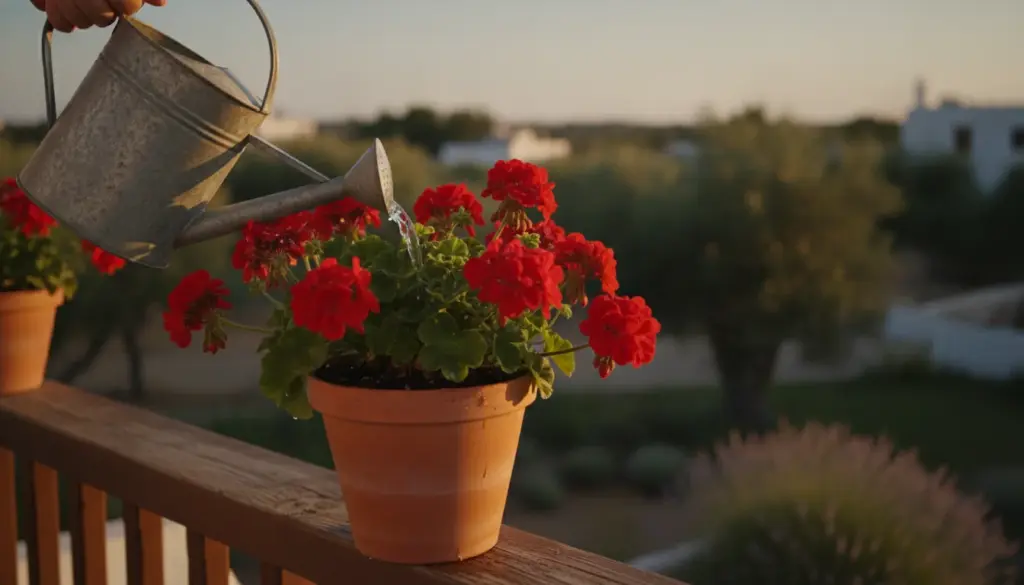
- Mastering the watering routine: These climbers crave a highly consistent moisture level. To completely avoid the fatal risk of root rot, allow the soil to dry out significantly before reaching for the watering can again. However, you must be careful to never let the root system turn bone dry.
- Providing critical nourishment: Throughout the active development phase, spanning from May right through to September, regular feeding is mandatory. Applying a high-quality liquid fertilizer formulated for potted plants every one to two weeks will sustain heavy blooming and strong stems.
Troubleshooting a Flowerless Bougainvillea
If your normally brilliant vine refuses to put on a colorful show, the issue generally boils down to three primary factors. The most frequent offender is simply inadequate sunlight. These true sun-worshippers require a baked, intensely bright location to actually set their buds, meaning partial shade is a guaranteed recipe for disappointment. Secondly, brave and decisive pruning is mandatory, as the vine heavily relies on those strategic cuts to generate fresh, flower-bearing wood. Finally, proper nutrition plays a massive role. Supplying a fertilizer rich in phosphorus during the warmer months provides the exact energy needed for an explosive display, while a properly temperature-controlled wintering spot ensures next year’s success.
Frequently Asked Questions
Can improper watering actually stunt development?
Absolutely, leaning too far in either direction causes severe damage. Sitting in soggy soil triggers root rot, effectively destroying the plant’s ability to absorb vital nutrients and halting all progress. Conversely, overwatering without causing rot often results in a massive flush of green foliage at the direct expense of blooms. Prolonged periods of severe drought will also heavily stress the root system, causing the vine to shut down completely. A steady, balanced watering rhythm is your absolute best defense.
How vital are fertilizers for overall vitality?
During the peak growing window stretching from spring through summer, these vigorous climbers consume a tremendous amount of energy. A deficiency in foundational nutrients, particularly nitrogen, often manifests as pale yellow foliage and a complete standstill in development. Maintaining a strict, recurring feeding schedule guarantees the plant has the raw materials required to flourish.