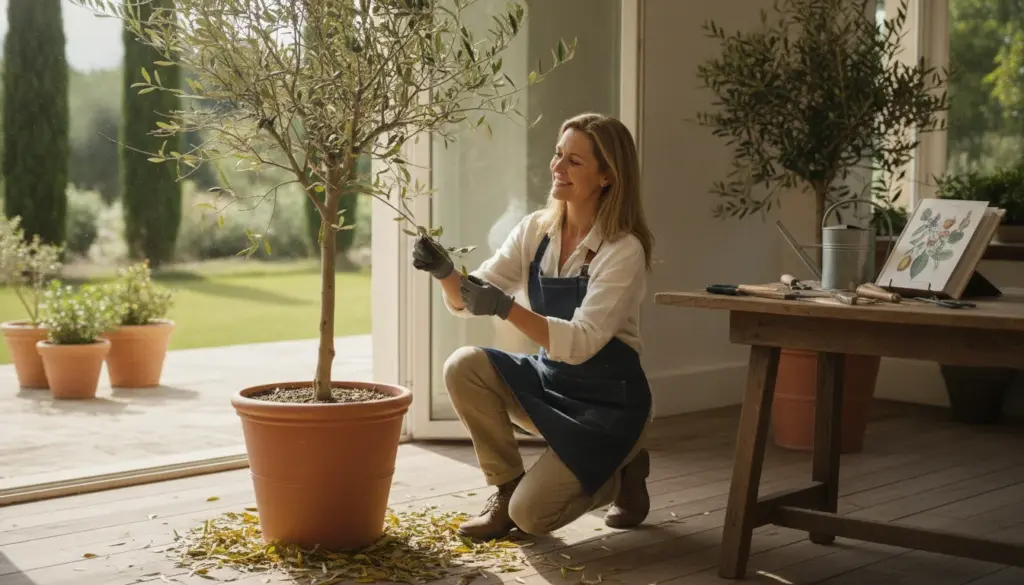
Have you noticed your beautiful Mediterranean plant suddenly shedding its foliage and started fearing the worst? While a bare olive tree can be quite a shock for any passionate indoor gardener, there is usually no need to panic. In the vast majority of cases, this loss of foliage is simply a distress signal pointing to a few easily correctable care mistakes rather than a final death sentence. Horticultural specialist and author Tina Ullmann explains exactly how to determine if your beloved tree is still clinging to life, along with practical steps to bring it back to its former glory.
The Real Reasons Behind the Sudden Leaf Drop
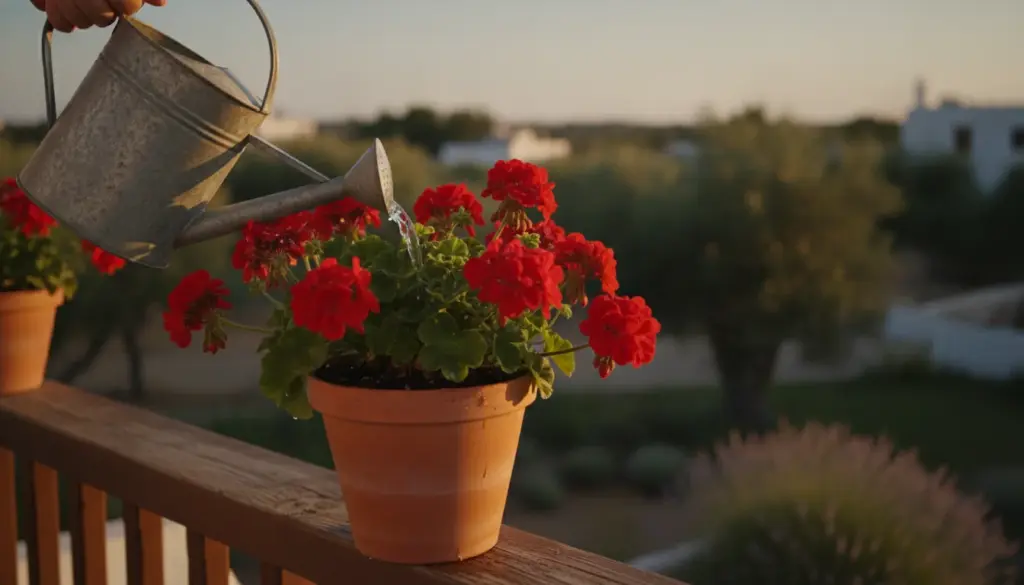
Many plant owners operate under the fatal assumption that these Mediterranean beauties barely need any hydration. However, especially when kept in containers during the hot summer months, these trees lose a significant amount of moisture through their foliage and may require daily watering. If your tree starts looking completely bare, a severe lack of water is frequently the main culprit.
Another critical mistake happens during the colder months. Because these trees retain their greenery year-round, they absolutely require a cool, brightly lit environment to properly overwinter. Relocating them to a poorly lit basement or a highly heated living room will trigger an immediate, drastic response. The abrupt deprivation of natural light and fresh air causes the tree to shed everything almost instantly, even if you have maintained a proper watering schedule.
Dead or Alive? Try the Quick Fingernail Test
When faced with naked branches, many frustrated owners quickly toss their plants into the compost bin. Yet, more often than not, the tree has merely entered a dormant, protective state to conserve vital energy.
To find out what is really going on beneath the bark, you can perform a highly effective yet incredibly basic check. Simply use your fingernail to gently scratch the surface of a small twig. If the tissue underneath still appears green and feels slightly moist, you are in luck. Your plant is definitely still alive, having dropped its foliage purely as a biological defense mechanism.
Essential Steps to Revive Your Potted Olive Tree
Once you have confirmed that life still flows through the branches, your most important tool will be patience. Because this particular species is notorious for its extremely slow growth rate, pushing out fresh buds will naturally take a few months. Do not be surprised if the very first signs of new green only begin to appear around early summer.
Follow these vital rescue guidelines:
- Evaluate the placement: Shift the container to a more optimal spot. Often, a location offering more direct sunlight and better protection from harsh winds makes all the difference.
- Adjust your watering routine: Ensure you are providing consistent, regular moisture without drowning the delicate roots.
- Mind the container size: When transitioning to fresh soil during the spring, ensure the new pot is only four to six centimeters wider in diameter than the old one. If the container is excessively large, the plant will waste all its energy expanding its root system instead of growing fresh foliage.
By catering to these fundamental needs—proper sunlight, adequate moisture, and the correct pot size—you will eventually be rewarded with a robust, thriving piece of Mediterranean nature.
About the Plant Expert
With roughly two decades of dedicated experience, garden specialist Tina Ullmann harbors a deep passion for Mediterranean flora. She actively shares her extensive knowledge regarding balcony gardening, terrace cultivation, and proper potted plant care. Her expertise earned her a prestigious national garden book award in 2024. In the summer of 2025, she published a comprehensive guide detailing the purchase, planting, fertilization, and pruning of these specific trees. Furthermore, she serves as an ambassador for an initiative dedicated to preserving ancient olive groves in Tuscany.
Frequently Asked Questions (FAQ)
Why did my tree lose all its foliage so suddenly?
A rapid shedding event is generally a biological shock response to a severe environmental shift. The most common triggers include severe dehydration or being placed in an inappropriate spot that is either far too warm or excessively dark. The plant drops its greenery to conserve vital energy, but this rarely means it has actually died.
How frequently should I water a potted specimen?
Consistent hydration is key, especially throughout the hotter seasons. On particularly warm summer days, you might need to supply moisture daily due to rapid evaporation. The top layer of soil should be allowed to dry slightly between sessions, but the root ball must never become completely parched. At the same time, you must strictly avoid waterlogging to prevent root rot.
What is the absolute best location for optimal growth?
These plants thrive best in full, direct sun, soaking up warmth in an area shielded from strong winds. A south-facing or southwest-facing balcony is usually the perfect environment. Because they continue to photosynthesize year-round, securing a highly luminous spot is just as crucial during their winter dormancy period.