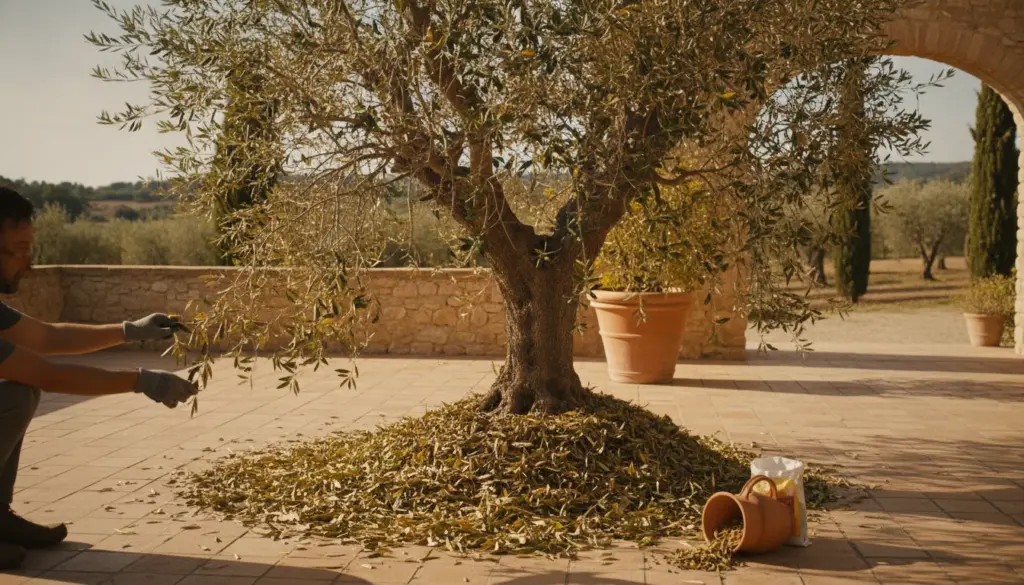
While olive trees generally have a reputation for being remarkably low-maintenance, they still require a certain level of attention to truly thrive. These stunning Mediterranean beauties aren’t just fantastic ornamental features; they also provide delicious fruit and high-quality oil. However, discovering that your cherished plant is suddenly shedding its foliage can be quite alarming. This leaf drop usually acts as a clear warning sign that something is amiss with the plant’s overall health. Let’s dive into the most frequent culprits behind bare branches and explore how you can keep your potted evergreens vibrant and full of life.
Olive Trees Have a Sensitive Side
They might be widely labeled as beginner-friendly, but things can still easily go wrong if you aren’t paying attention.
Mistake Number One: Unfavorable Environmental Conditions
These plants naturally crave a Mediterranean climate, which means they love hot, dry summers paired with mild, moist winters. When exposed to harsh temperature swings, freezing weather, or heavy air pollution, they quickly become stressed and start dropping their foliage. To prevent this, always choose a highly sheltered planting location in your yard or on your patio. Proper winter protection is absolutely crucial, so be prepared to wrap or cover your plant when severe frost threatens.
Mistake Number Two: Inadequate Watering Habits
It’s true that mature olive trees handle drought quite well, but younger saplings desperately need consistent moisture to establish strong root systems. Even during extended dry spells, keeping up with a proper watering routine is essential to stop the leaves from falling off. At the same time, you must strictly avoid waterlogging. Allowing the roots to sit in stagnant water will inevitably lead to root rot, which is just as damaging to the foliage as severe dehydration.
Mistake Number Three: Poor Soil Composition
For optimal growth, your plant needs well-draining, calcareous, chalky earth. Planting them in heavy, dense soil with inadequate drainage traps moisture, rots the root system, and ultimately strips the branches bare. Conducting a quick soil test is a smart move, allowing you to amend the dirt with sand or lime if necessary to create the perfect growing medium.
Mistake Number Four: Overlooking Pest Infestations
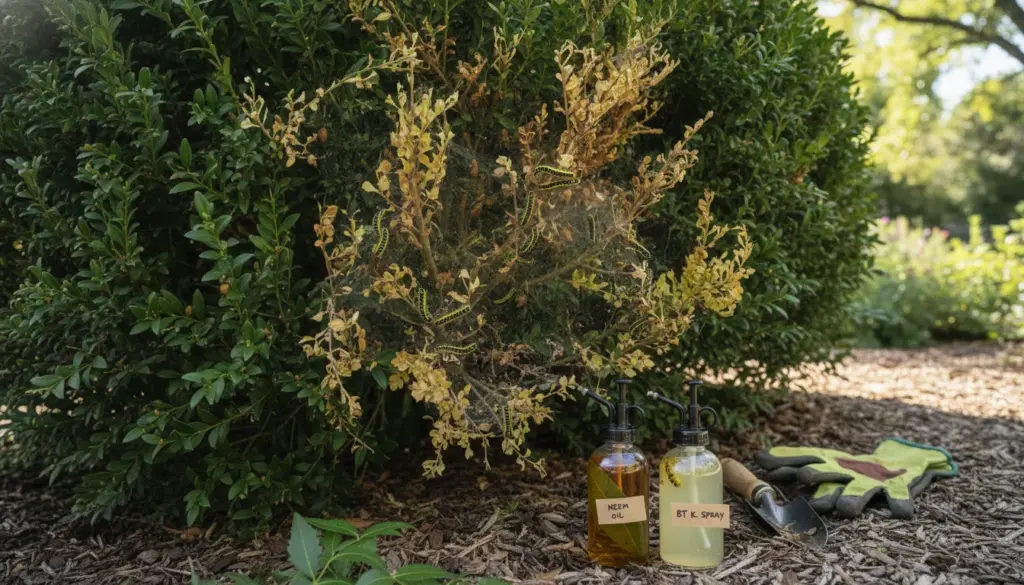
Unwanted visitors like aphids and scale insects love to target these Mediterranean evergreens. By sucking out vital plant sap, these tiny bugs drain essential nutrients, forcing the plant to shed its foliage in distress. Make it a habit to inspect the undersides of the leaves regularly. Implementing natural pest control methods or utilizing organic insecticidal soaps can quickly neutralize these hungry invaders before they do serious damage.
Mistake Number Five: Ignoring Diseases
Certain ailments, particularly olive knot disease (Pseudomonas savastanoi), will quickly cause the foliage to wither, brown, and die off. If you spot any infected growth, you need to prune it away immediately. Maintaining excellent air circulation and practicing good garden hygiene are your best defenses against the rapid spread of harmful bacteria and fungal pathogens.
Mistake Number Six: Improper Pruning Techniques
These trees really do not appreciate aggressive trimming, especially when it happens late in the growing season. A harsh, poorly timed haircut triggers immense stress, resulting in immediate leaf loss. If you need to shape your plant, always wait until spring. Focus solely on thinning out the canopy to let light in and snipping away any dead or heavily damaged wood.
Essential Tips to Prevent Leaf Drop
Keep these golden rules in mind to ensure your plant never reaches the point of shedding:
- Pick a stellar location that offers plenty of direct sunlight and acts as a shield against extreme weather elements.
- Water your plant consistently without drowning it—this is especially vital for newly planted saplings.
- Plant in chalky, highly permeable soil to encourage a robust, healthy root network that breathes easily.
- Examine the branches frequently for any signs of bugs or illness, acting quickly at the first hint of trouble.
- Limit your trimming sessions to the springtime, carefully shaping the crown without over-pruning.
By strictly following these straightforward guidelines, you will guarantee that your gorgeous tree retains its lush, silvery-green canopy all year round. Not only will the plant itself flourish, but it will also continue to bless your outdoor space with a wonderfully relaxing, Mediterranean ambiance.