One moment your hydrangea looks perfectly healthy, and the next, its beautiful blooms and lush foliage are sagging dramatically. Fortunately, as experienced gardeners know, this sudden drooping is almost always the result of a simple care mistake, meaning your beloved shrub is completely salvageable.
The massive, vibrant flower heads are undeniably the main attraction of these popular garden plants. It can be quite distressing to watch those stunning blossoms and sturdy branches suddenly lose their vigor. While a small amount of seasonal drooping is perfectly normal, a severely wilting plant typically indicates a misstep in daily care, overly enthusiastic watering, or simply poor placement in the yard. By stepping in quickly and adjusting your approach, you can easily revive your struggling plant.
Understanding Why Your Hydrangea is Drooping
If your lush garden favorite is looking a bit sad, several common culprits could be to blame:
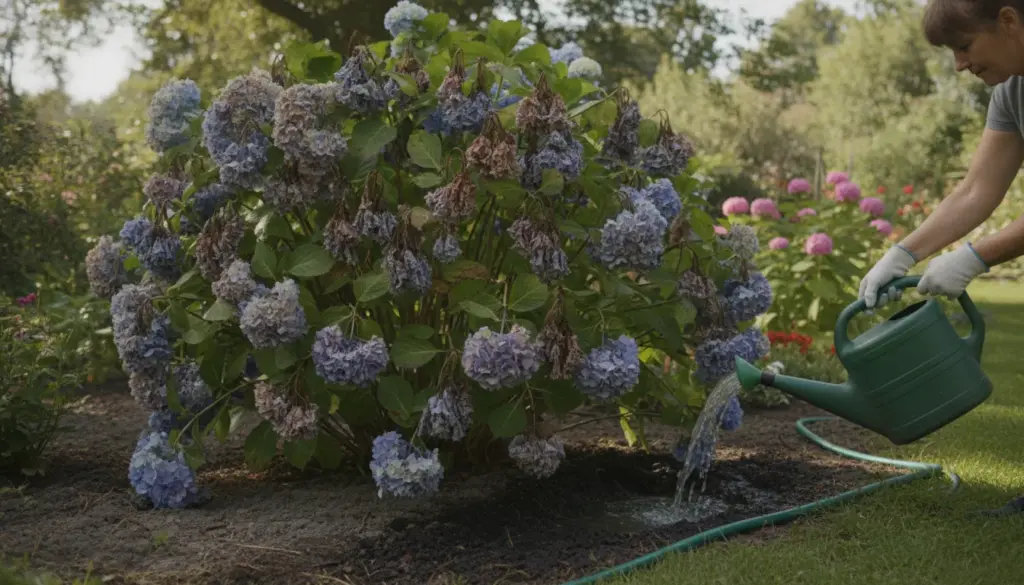
- Severe dehydration: Whether growing directly in the landscape or planted in containers, these shrubs dry out incredibly fast without consistent moisture. A lack of water is undoubtedly the most frequent trigger for wilting. These exceptionally thirsty plants demand substantial hydration, particularly during prolonged spells of dry, sweltering summer weather.
- Excessive moisture: While they definitely love a good drink, waterlogged roots are disastrous for their health. Overly enthusiastic watering habits, combined with heavy rains or a low-lying garden bed with dense, compacted soil, can easily drown the root system.
- Harsh sunlight: Too much direct UV exposure will quickly cause the foliage to collapse. These woodland natives naturally thrive in dappled sunlight or partial shade. Leaving them exposed to intense rays can lead to severe sunburn and rapid internal water loss.
Pest infestations or diseases are rarely the primary reason behind a collapsing canopy. However, when a pathogen is involved, it is almost exclusively root rot—a damaging fungal infection that severely compromises the plant’s structural integrity.
Hold Off on the Watering Can
Before you rush to drench a drooping shrub, observe the current weather conditions. Extreme daytime heat and intense sunlight frequently cause the plant to temporarily drop its head as a natural defense mechanism. More often than not, this is a fleeting reaction, and the foliage will crisp back up entirely on its own overnight once temperatures drop and the environmental stressors dissipate.
Effective Strategies to Revive Your Plant
- Perfect your watering technique: Provide deep, consistent hydration. During the peak of summer, mature outdoor shrubs require roughly ten liters of water during a single session. For smaller potted specimens, a quick, weekly immersion bath in a bucket of water works wonders. Always test the surrounding dirt every few days by feeling about five centimeters below the surface, ensuring you replenish the moisture right before it dries out completely. Avoid hydrating them during the hottest, sunniest parts of the day.
- Relocate the shrub: If your plant is suffering from chronic sun fatigue, strongly consider moving it to a partially shaded area. Escaping the brutal midday heat is absolutely crucial for long-term recovery.
- Provide artificial shade: If natural shade is scarce in your landscaping, you can easily construct a temporary sun shield. Using a light plant fleece or arranging a simple straw barrier can offer the necessary relief from baking temperatures.
To prevent future wilting episodes, apply a thick layer of organic mulch, such as fallen leaves or bark chips, around the base to lock in essential soil moisture. When initially installing new plants, carefully select a spot that offers partial shade alongside nutrient-dense, well-aerated soil. Maintain a steady watering schedule combined with a high-quality, balanced fertilizer. For container-grown varieties, flawless drainage is non-negotiable—always verify that excess water can escape freely from the bottom holes.
Interestingly, if you happen to bring cuttings indoors, professional florists use simple hydration tricks to instantly perk up drooping blooms in vase arrangements as well.
Frequently Asked Questions
How often should I hydrate my garden hydrangeas?
Aim for a routine that keeps the surrounding earth consistently moist without ever becoming a muddy swamp. During extreme heat waves, checking and potentially watering twice a day might actually be necessary.
Is it possible to rescue a severely drooping bush?
Absolutely. These incredibly resilient shrubs usually bounce back rapidly once they receive a thorough drink and the underlying cause of the stress is corrected.
Do I need to snip off the dead blossoms?
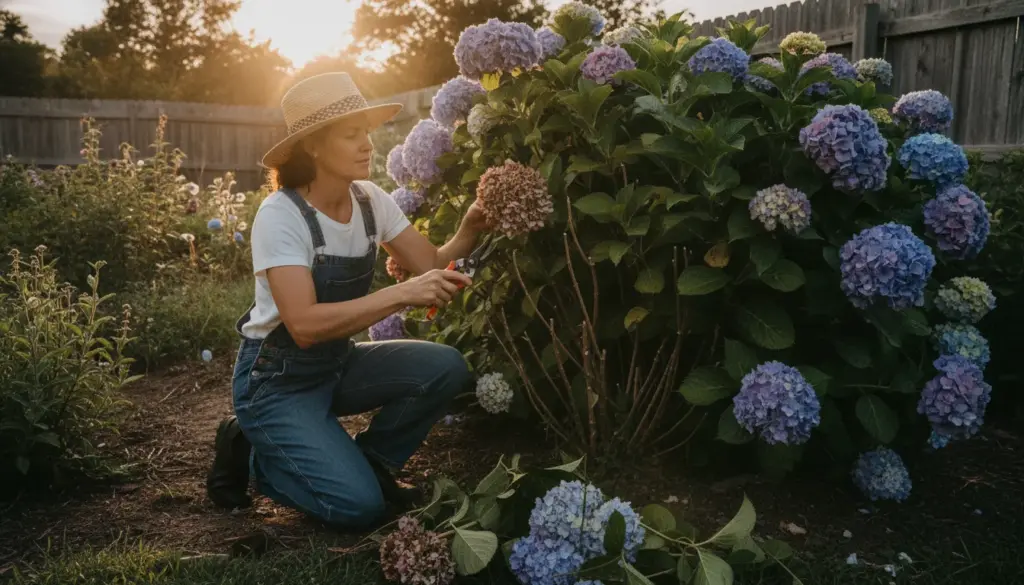
Yes, carefully removing spent flower heads redirects the plant’s energy into producing fresh blooms, though executing this pruning at the correct time of year is essential for success.