Summer is a busy season for green thumbs, and mid-summer brings a highly specific chore: trimming certain berry bushes to guarantee an abundant yield the following year. Knowing exactly which woody plants to target right now makes all the difference.
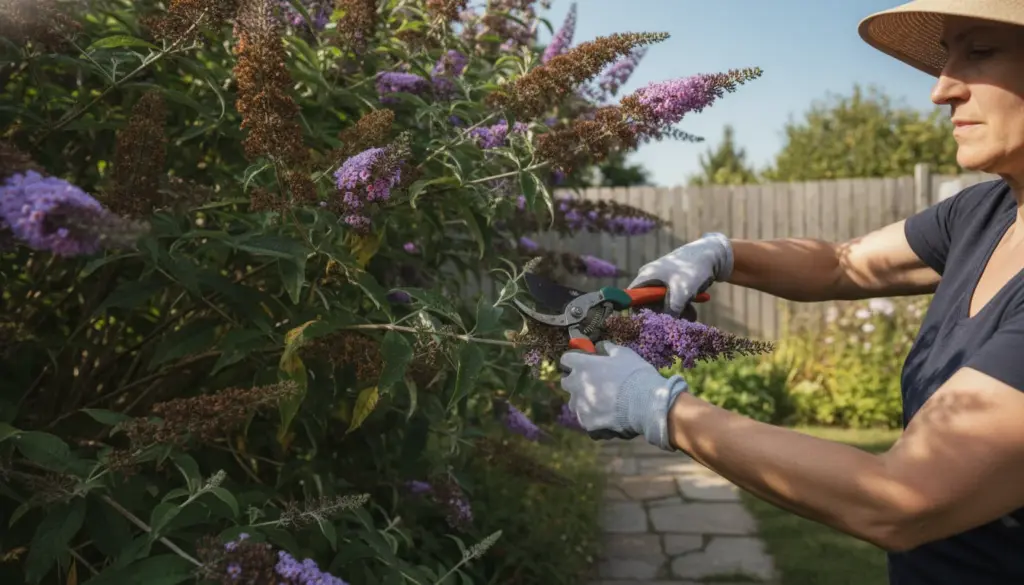
When July rolls around, your backyard demands a bit of targeted attention. A handful of shrubs require an immediate trim to maintain their vigor and keep their fruit production high. Berry-producing varieties, in particular, respond incredibly well to perfectly timed maintenance. By staying on top of this seasonal care, you set the stage for a spectacular harvest season after season. It is officially time to pull out those trusty pruning shears.
Three Bushes That Demand a July Trim
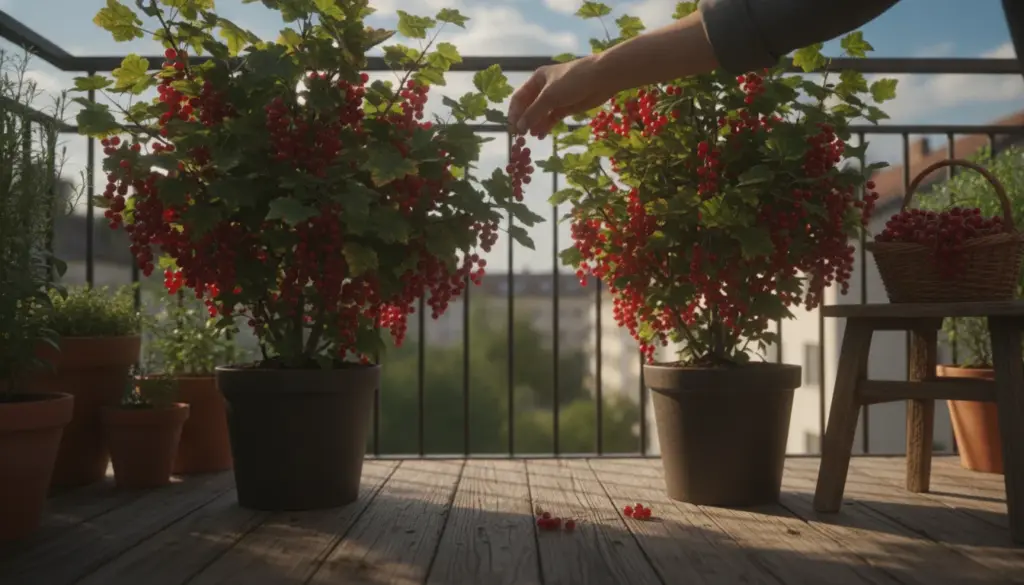
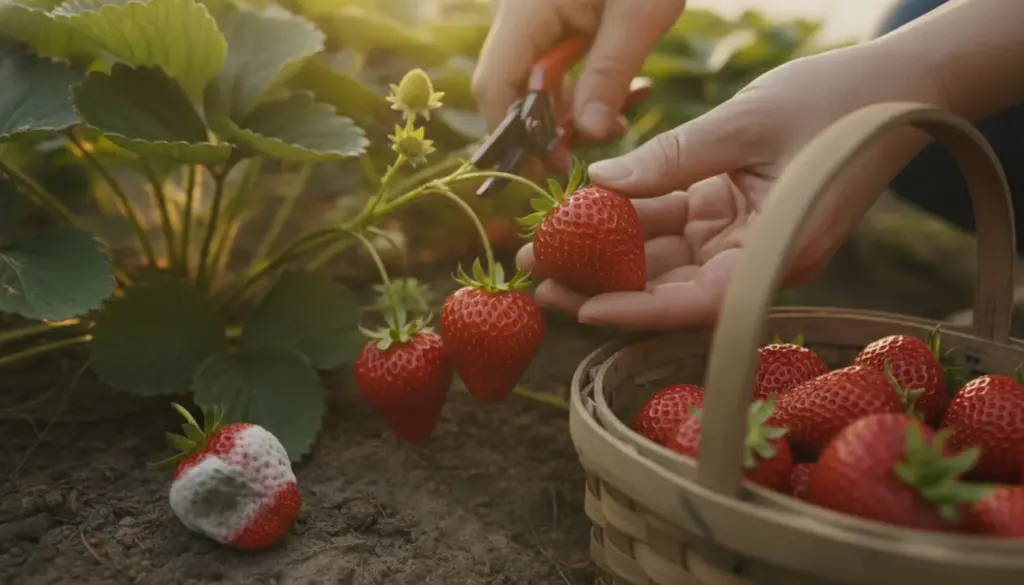
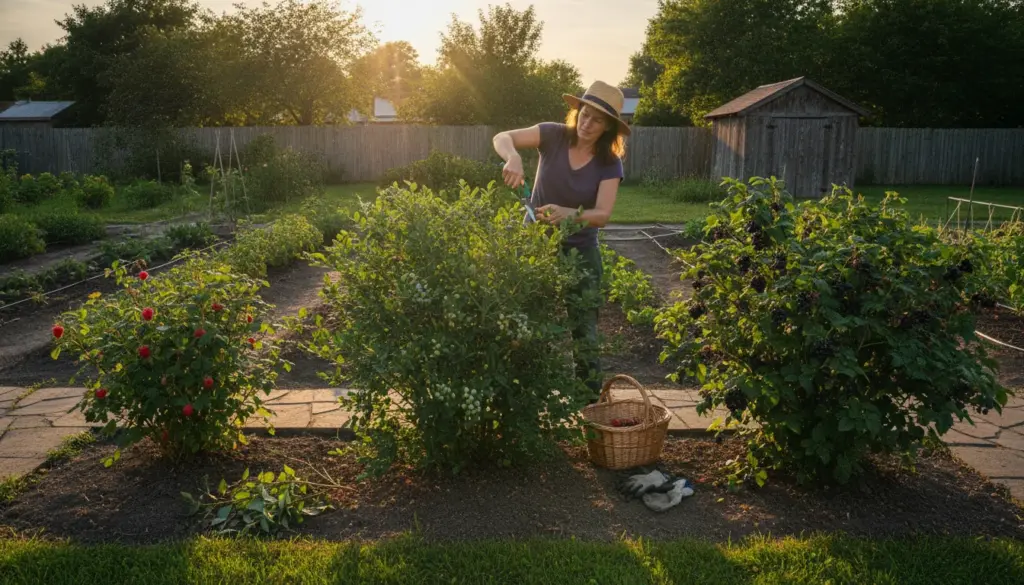
- Red and white currants: To ensure your currant bushes remain robust and highly productive, an annual post-harvest trim is essential. Skipping this crucial step causes the plant to mature too rapidly, resulting in a disappointing yield of tiny berries. Horticultural best practices suggest snipping back the lateral fruiting branches to tiny stubs containing merely one or two buds once the picking is done. These stubs will sprout into vigorous, fruit-heavy branches by next season. Additionally, eliminate any aging, feeble, or ground-hugging wood. Retain a maximum of six to eight older primary stems to encourage continuous rejuvenation.
- Summer raspberries: Varieties of Rubus idaeus that yield fruit throughout June and July also depend on a post-harvest cutback. The trick here is to sever the spent, fruit-bearing canes completely at soil level. Your goal is to preserve solely the vigorous, fresh primary canes. Keep no more than ten of these stems; if the plant looks overcrowded, thin it out further. Afterward, secure these new canes to a support structure, ideally a trellis featuring three taut wires. This technique promotes optimal development and simplifies next year’s picking process.
- Gooseberries: Plants of Ribes uva-crispa produce their finest crops on newer wood. Consequently, once you finish gathering the berries between July and August, you should leave only six to eight sturdy main stems standing. Snip away any redundant or flimsy growth right at the base. Should the lateral branches appear overly congested, reduce alternating ones down to just two buds. It is also wise to chop off the lowest side branches, as they suffer from poor sunlight exposure and rarely develop meaningful fruit anyway.
Keep in mind that a wide variety of fruit trees also thrive when given a careful mid-summer shape-up.
Avoid Trimming During Extreme Heat
Timing the weather is just as critical as the cut itself. Aim to tackle this chore on an overcast day or during a gentle drizzle. Blistering temperatures and fierce sunlight spell trouble, potentially scorching the exposed, freshly severed plant tissue. Naturally, if an unexpected frost is forecasted, you should hold off completely.
While minor aesthetic touch-ups are perfectly fine throughout the calendar year, remember that aggressive, heavy reductions of hedges and shrubs are legally restricted between March and the end of September to protect nesting birds and local wildlife.