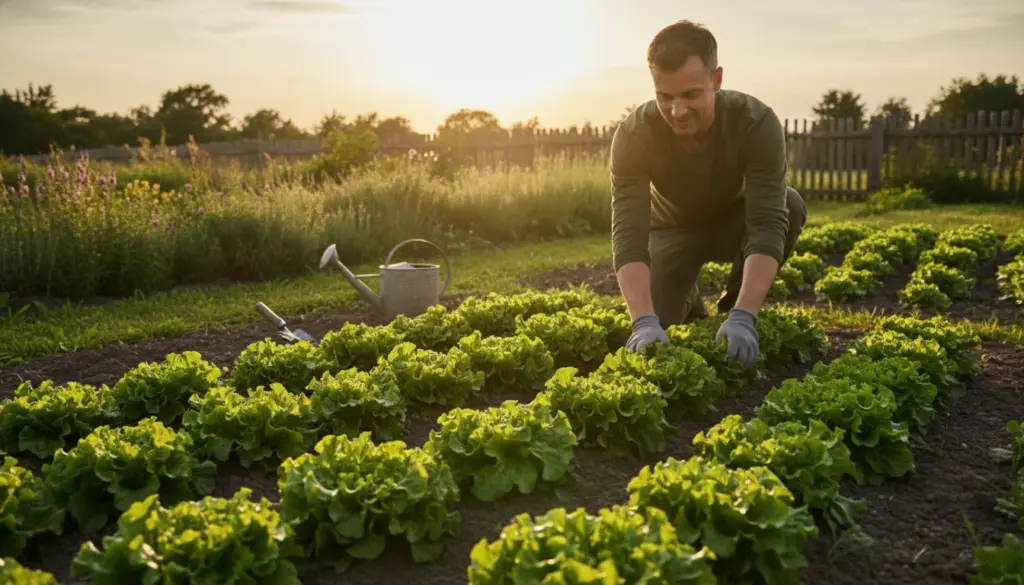
Gardeners always appreciate vegetables that mature rapidly in the beds. If you are looking for a highly rewarding crop this summer, cultivating lamb’s lettuce during July is an excellent choice. The current outdoor conditions are absolutely ideal for getting started.
Scientifically known as Valerianella locusta, this leafy green is frequently referred to as cornsalad or Rapunzel. While cultivating this nutritious, nutty-flavored plant is highly satisfying, it does come with a few specific advantages and drawbacks. Timing your planting perfectly is the true secret to an abundant yield. Here is exactly why mid-summer is the ultimate time to get your seeds into the soil.
The Many Advantages of Growing Lamb’s lettuce
This classic salad green brings a uniquely satisfying, earthy taste to your plate. Beyond its culinary appeal, cultivating your own crop offers several distinct benefits for the home gardener.
- Exceptional cold tolerance: This hardy plant actually embraces chilly weather. By putting seeds in the ground in July, the crop builds enough size and resilience to easily endure the freezing winter months, springing back to life as temperatures rise.
- Nutrient-dense harvests: Homegrown leaves offer a fantastic crunch and incredible freshness. They are also packed with essential vitamins, antioxidants, and valuable minerals.
- Minimal upkeep required: Compared to more demanding garden crops, this leafy green is incredibly self-sufficient. Once the roots take hold, it thrives with just light fertilization and moderate watering.
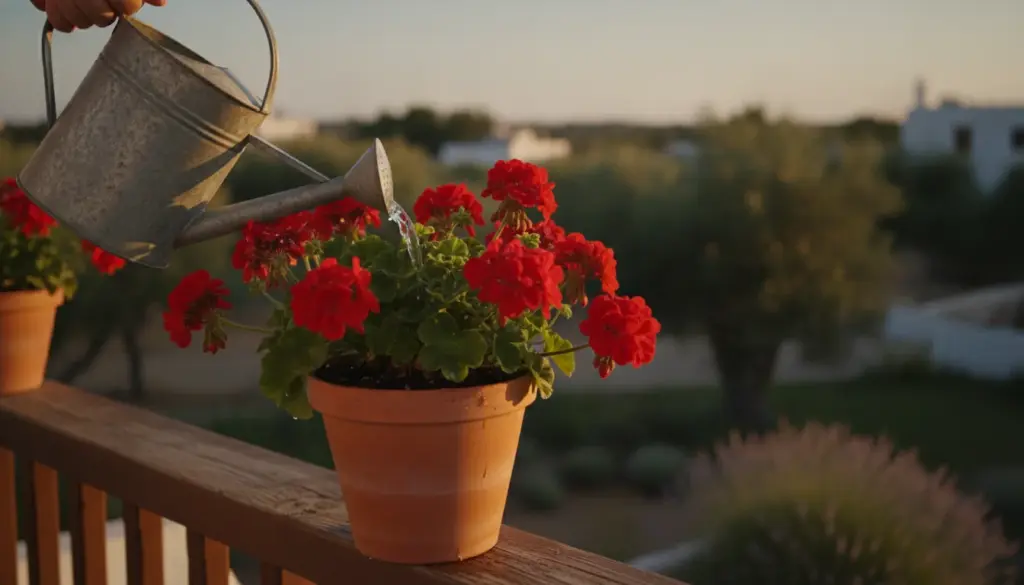
- Perfect for tight spaces: Because of its highly compact growth habit, it flourishes in restricted garden beds. You can even grow it successfully on small patios or in balcony containers.
Potential Challenges to Keep in Mind
Despite its impressive resilience, there are a few minor downsides to consider before you start preparing your soil.
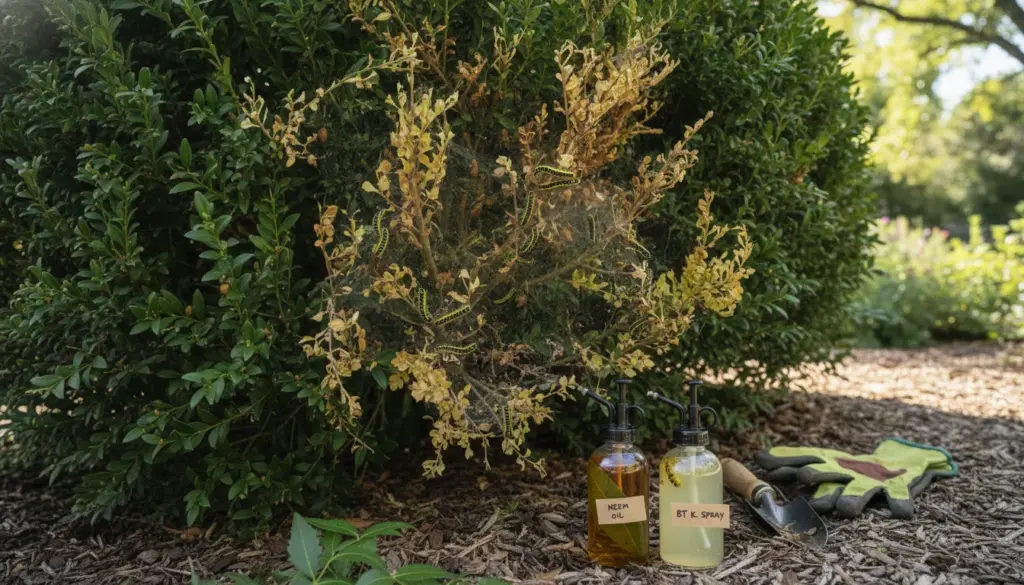
- Pest attraction: While generally tougher than standard lettuce varieties, these greens can still fall victim to hungry slugs, snails, and aphid infestations.
- Fungal vulnerabilities: Damp growing conditions can invite certain diseases. Downy mildew is particularly common if the surrounding environment stays too wet for prolonged periods.
- Rapid wilting: You need to consume your freshly picked harvest quickly. The delicate leaves lose their crispness very shortly after being cut from the stem.
Why July is the Perfect Sowing Window
Mid-summer might seem early for a cold-weather crop, but July offers the perfect climate balance. The typically moderate weather patterns during this month create the ultimate environment for this specific green. As long as you avoid periods of extreme, blistering heat, the seeds will sprout and establish themselves beautifully.
Starting your garden beds in July guarantees the plants have ample time to bulk up before the frost hits. This extra growing time drastically improves their winter survival rates and sets the stage for a remarkably early spring flush.
Furthermore, waiting too late in the year often causes the plant to bolt prematurely. Once it flowers, the culinary quality of the foliage drops significantly. A mid-summer start keeps those blooms at bay, giving you a much longer window to pick fresh, tender leaves.
Conclusion: Robust Growth and Reliable Germination
Ultimately, dedicating a patch of soil to lamb’s lettuce pays off handsomely. The combination of cold resistance, nutritional value, and low maintenance makes it a standout choice for anyone with a green thumb. Naturally, you still need to stay vigilant against potential moisture diseases and common garden pests.
By sticking to a July sowing schedule, you give your greens the absolute best start. The plants will mature perfectly, brave the winter months with ease, and reward you with a heavy, delicious harvest at the first sign of spring.