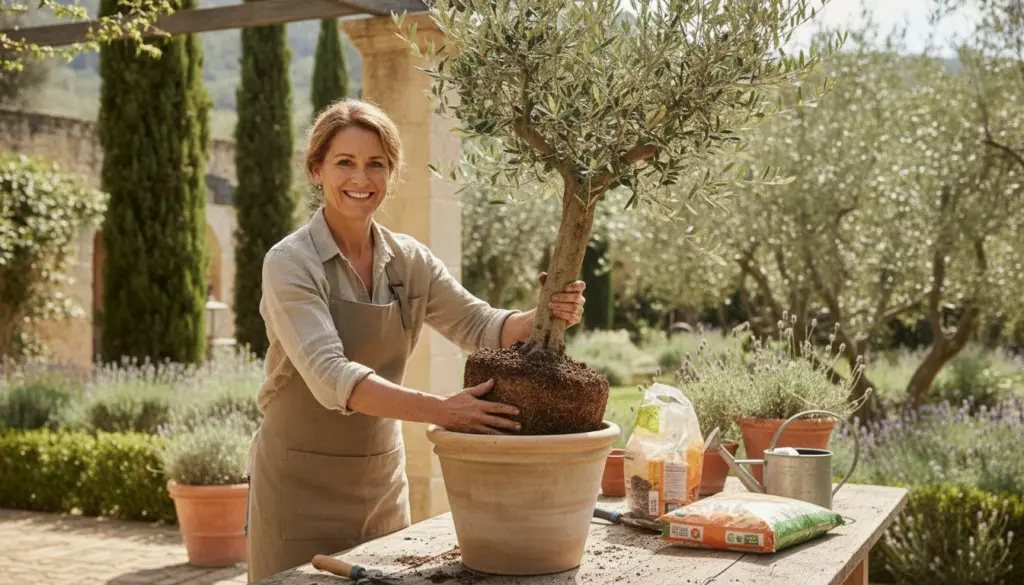
Moving your Mediterranean plant to a new container doesn’t have to be intimidating. While many amateur gardeners worry about damaging their beloved greenery, the process is straightforward if you keep a couple of key factors in mind. According to a renowned garden expert and bestselling author, success comes down to choosing the right timeframe and selecting the proper container size.
The Ideal Timing for Your Olive Tree’s Move
The most common blunder plant lovers make is attempting this task at the wrong time of year. Spring is the absolute best season to give your plant a new home. You should finish this job by July at the very latest to ensure healthy root development.
If you wait until late summer or autumn, the plant will struggle to establish a strong root system before winter arrives. Since these plants typically stay outdoors during the colder months, a late transition leaves them highly vulnerable. When moved in the spring, however, the tree can fully utilize its active growth phase to settle securely into the fresh potting mix.
Choosing the Right Container: Keep Things Cozy
Another critical aspect is determining the precise dimensions of the new planter. Gardeners often want to be generous and provide a massive tub, but this approach actually harms the plant. Olive trees prefer a very snug environment, behaving quite similarly to the African lily in this regard.
The golden rule is remarkably straightforward: the new container should only be four to six centimeters wider in diameter than the previous one. Providing too much space triggers a survival response where the plant channels all its energy into developing roots to fill the vast area. This misdirection of energy frequently results in sudden and dramatic leaf drop.
Instead of growing lush foliage and new branches, a tree in an oversized pot simply wastes its strength underground. For newly purchased plants from a nursery, adding a little fresh soil to the top is often more than enough. These Mediterranean beauties are incredibly slow growers, meaning they can happily remain in their original pots for quite some time.
Spotting the Right Moment and Ensuring Proper Drainage
How do you know when a pot upgrade is truly necessary? The clearest indicator is when you can physically see roots pushing out from both the bottom drainage holes and the top surface of the soil.
When setting up the new planter, excellent drainage is absolutely mandatory to prevent fatal waterlogging. Start by ensuring the pot has base holes, followed by a thick layer of expanded clay pebbles. Adding a piece of landscaping fleece over the clay prevents the soil from washing out during heavy watering sessions.
Finally, fill the remaining space with a high-quality, peat-free Mediterranean potting mix. This specialized dirt already contains sufficient nutrients, meaning you can safely skip additional fertilizers for the first few weeks after the transition.
About the Garden Expert
Tina Ullmann is a passionate garden specialist from the Altmühl Valley who has dedicated two decades to cultivating Mediterranean plants. She shares her extensive knowledge about terrace, balcony, and container gardening with a large community on her popular social media channels under the handle tinas_homeandgarden.
Her deep expertise in plant care earned her the prestigious German Garden Book Prize in 2024. In addition to releasing her comprehensive guide “Olivenbaum – ganz einfach” with Kosmos Verlag in mid-2025, she serves as a dedicated brand ambassador for Ager Oliva, an initiative focused on preserving ancient olive groves in Tuscany.
Frequently Asked Questions (FAQ)
Why is my tree suddenly losing its leaves?
Rapid foliage drop is typically a shock response to a severe environmental shift. The most frequent culprits include severe dehydration, insufficient light, or excessively warm indoor temperatures. The plant sheds its leaves as a clever survival mechanism to conserve energy, but this rarely means the tree has died completely.
How frequently should I water my potted plant?
These container plants crave consistent moisture, especially during the sweltering summer months. Extreme heat might even necessitate a daily watering routine, as the foliage loses a significant amount of water through transpiration. Allow the top layer of dirt to dry slightly between waterings, but never let the root ball become bone dry, while avoiding standing water at all costs.
Where is the best spot to place the container?
Your plant will absolutely thrive in locations that offer full sun, plenty of warmth, and shelter from harsh winds. A south-facing or southwest-facing balcony provides the optimal growing environment. Because the plant remains evergreen and continues photosynthesis year-round, a bright, sunlit location is equally critical during its winter dormancy.