The Hidden Potential of Desert Plants
I have to admit, I used to completely overlook succulents. That perspective shifted a few years ago when I finally realized just how brilliantly low-maintenance these resilient plants actually are. Their minimal demand for water and nutrients means you can easily jet off on a summer holiday without needing to hire a plant sitter.
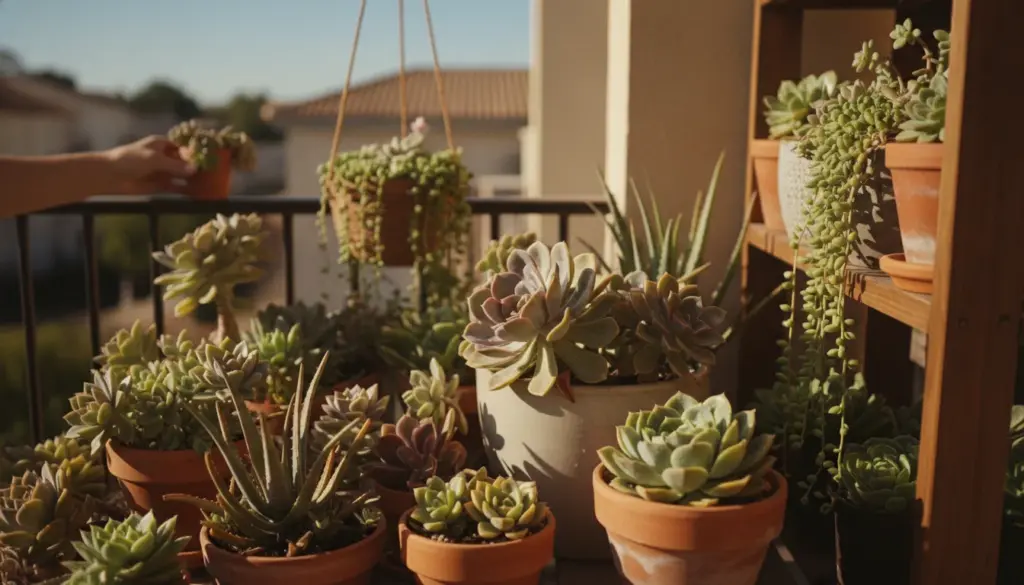
You can genuinely just leave them to their own devices. Moreover, these natural sun-worshippers are the only green companions that truly seem to thrive on my sweltering, sun-baked balcony. If you want to trigger a massive growth spurt in your potted desert plants, treating them to an outdoor summer retreat is my absolute top recommendation. Once they hit the fresh air, truly wonderful things begin to happen.
Taking Your Houseplants Outside: Pure Benefits
My collection started rather modestly with a standard Jade Plant (Crassula ovata). Soon after, I fell head over heels for the Bear’s Paw (Cotyledon tomentosa), a quirky variety famous for its fuzzy, claw-like foliage that practically begs to be petted. Both species have proven to be incredibly forgiving and highly rewarding indoor companions.
Last season, I decided to finally let them experience an outdoor summer, moving them onto the patio right after the final spring frosts in May. I placed them directly in the blazing sun alongside my hardy Sedum. That perennial stonecrop stays outside year-round, blooming more beautifully each late summer and acting as a magnet for local bees and bumblebees.
The outdoor experiment was such a resounding success that they are back on the balcony this year. The visual transformation is striking. Not only does the foliage turn a deeper, juicier shade of green, but the plants also become noticeably more vigorous. Within just four weeks outside, my Jade Plant pushed out a brand-new basal shoot. As an experienced balcony gardener, I always celebrate this kind of dense, bushy growth over tall, leggy stems.
Essential Tips for Summering Succulents Outdoors
Moving your desert beauties to the patio is simple, but keeping a few basic care rules in mind will ensure optimal health:
- Wait for warm nights: Only move your pots outdoors in May once the danger of late spring frost has completely passed.
- Rotate for even growth: Because foliage naturally stretches toward the light, giving your pots a quarter-turn every so often prevents lopsided stems.
- Water mindfully: Let the leaves communicate their needs. If the foliage starts looking slightly wrinkled or deflated, it is time for a thorough drink.
- Feed during growth phases: Depending on the pot size and the specific variety’s growth rate, applying a specialized fertilizer every few weeks will support rapid, healthy development.
- Mind the autumn chill: Always transition your collection back indoors before the first severe winter frost hits.
A Wonderful Surprise: Accidental Propagation
These robust survivors make gardening incredibly rewarding, especially for absolute beginners. Sudden rainstorms or heavy winds? They hardly even notice. Even if a few leaves get knocked off, new ones quickly take their place. Last season, my outdoor succulents experienced such an explosive growth spurt that I actually had to prune them back to maintain their shape.
In a rush, I casually tossed the clipped Bear’s Paw branches into a spare pot filled with dry, recycled potting mix and completely forgot about them for months. Miraculously, despite surviving relentless heatwaves and relying solely on occasional summer showers, those discarded cuttings rooted. Healthy little succulent babies emerged right out of the neglected stems.
Those resilient pups spent the winter safely indoors and are now ready to be upgraded into their very own planters this season. So, should you let your succulents spend their summer outside? Based on my years of experimenting with balcony ecosystems, the verdict is a resounding yes.