Fig trees adore the sunshine, but neglecting their hydration needs will leave you without a harvest. It turns out that simply soaking the soil isn’t always the best approach, and understanding the clever ten-percent method can make all the difference.
Many gardening enthusiasts mistakenly assume that Mediterranean greenery thrives in relentless heat with bone-dry earth. When it comes to growing figs, falling for this myth can completely ruin your chances of picking fresh fruit. Depending on whether your green companion lives in a container or out in the garden bed, its hydration requirements vary wildly. A seasoned specialist from an organic fig farm in Vienna points out that while your watering can is crucial during warmer months, overdoing it will quickly destroy your dreams of a sweet, homegrown yield.
Mastering potted fig tree hydration
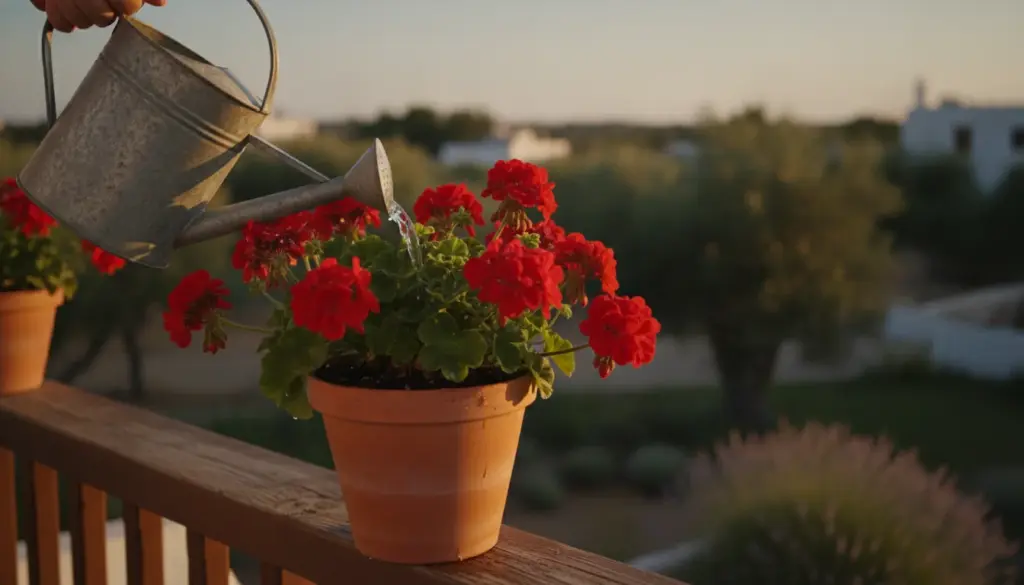
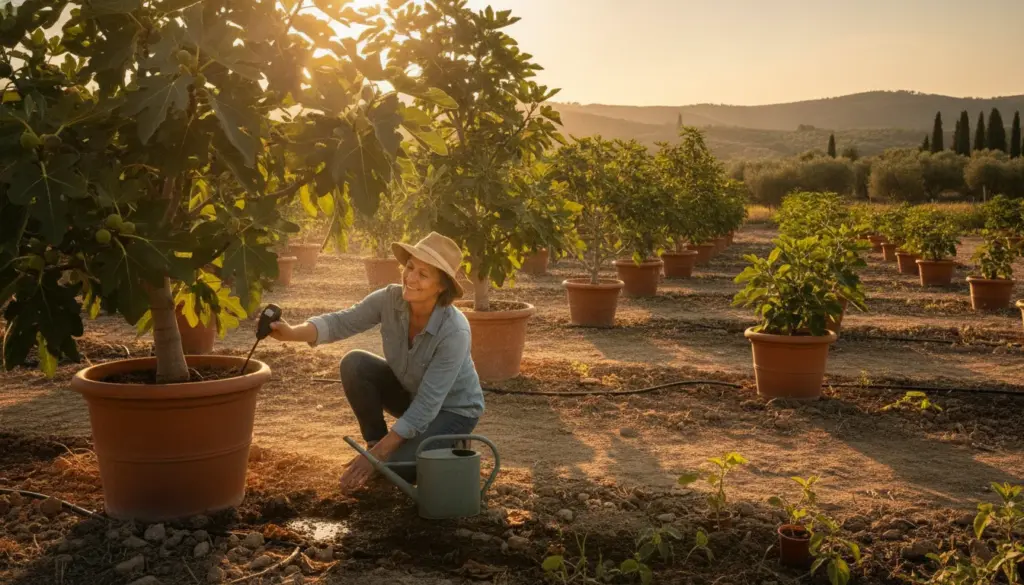
Caring for a container-grown fig requires a delicate touch, especially as temperatures climb. During intense heatwaves and the crucial fruit-ripening phase, the plant demands generous and frequent watering. However, when the summer weather cools down slightly, you need to drastically scale back the moisture to prevent root damage.
To get this balance exactly right, growers rely on a simple ten-percent drainage rule. If you pour one liter of water into the pot, roughly one hundred milliliters should trickle out of the bottom. This technique ensures the root ball is thoroughly soaked while simultaneously flushing out harmful salt buildups, such as sulfates and sodium. Morning is the absolute best time to grab your watering can, though installing a slow drip irrigation system is a fantastic, low-effort alternative.
As the seasons shift into spring and autumn, the plant’s thirst decreases significantly. You should transition to a moderate watering schedule and never let standing water pool in the saucer. When the tree moves to its chilly winter quarters, such as an unheated greenhouse, the soil should remain mostly dry. Providing moisture every three to five weeks is generally plenty for deciduous plants in hibernation.
Essential guidelines for watering figs
- Choose the right water: Fig trees thrive on alkaline, calcareous moisture, making standard tap water a perfect choice.
- Monitor constantly: Check your potted plants weekly throughout the summer. If you spot drooping leaves, it is time for an immediate drink.
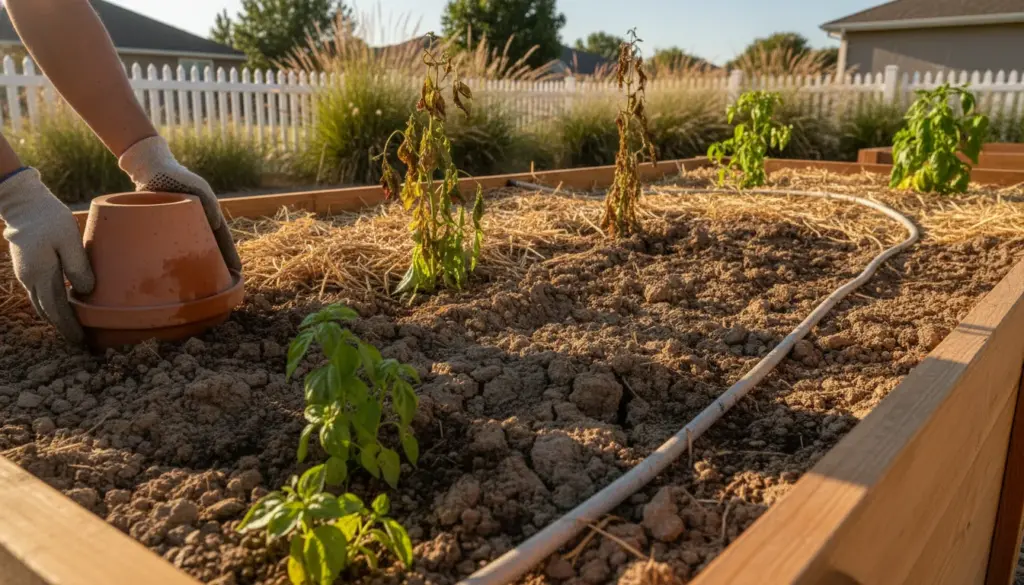
- Prevent root rot: Always empty the drainage saucer promptly and ensure garden beds contain excellent drainage to keep waterlogging at bay.
Watering garden-planted figs: Less is more
Once your tree is firmly established in the ground, your hydration strategy must shift completely. For outdoor specimens facing dry summer months, deep interval watering is the golden rule. During the first two years of growth, you must intentionally expose the tree to longer dry spells. This mild stress forces the plant to send its roots deep into the earth searching for moisture.
If your garden features sandy earth, you only need to provide a deep soak once or twice a week. For heavier clay soils, waiting one to two weeks between watering sessions is entirely sufficient. Cultivating this deep-root system creates a remarkably resilient and drought-tolerant tree over time.
Nature often takes care of the hard work for you. If a heavy downpour delivers more than fifteen millimeters of rain per square meter, you can skip your manual watering session entirely. The foundation of a healthy outdoor fig is stellar soil drainage, easily achieved by mixing in coarse gravel. Puddles that linger long after a rainstorm are a clear warning sign of waterlogging. When planted in heavily compacted clay, the roots suffocate from a lack of oxygen and the plant will eventually die.
Seasonal hydration guide by location
Young Trees (Years 1-2): Container plants need substantial, regular hydration during hot spells and fruiting. In the garden, sand-based soils need water once or twice a week, while clay soils require attention every one to two weeks.
Mature Trees: Potted figs still demand heavy watering during high heat and fruit development. Ground-planted mature trees rarely need manual watering, requiring just a deep soak during severe droughts or when fruits start swelling.
Winter Care: For potted plants enduring long dry spells, do a finger test and water roughly every three weeks. Garden trees benefit from a generous watering on mild winter days to prevent frost drought.
Spring and Autumn: Keep pots moderately moist while ensuring the drainage tray stays empty. Outdoor trees generally rely on natural rainfall during these transitional seasons.
Boosting water during heat and fruit maturation
Regardless of whether your plant lives in a cozy patio pot or out in the garden bed, there are two distinct phases where its thirst skyrockets. During sweltering summer heatwaves and the exact moment fruits begin to ripen, the plant consumes massive amounts of energy.
To successfully develop plump, sweet, and juicy figs, the tree requires an absolute abundance of liquid. You must adapt your gardening routine to match these intense growth periods. Supply the roots with generous amounts of hydration, but always remain vigilant against the hidden dangers of waterlogged soil.