Scorching heat and prolonged dry spells can quickly turn your thriving garden beds into dusty patches of worry. However, you do not have to simply watch your plants surrender to changing weather patterns. While standard crops might wilt under the blazing sun, certain highly underestimated vegetable varieties possess fascinating natural survival strategies to withstand severe water shortages.
The true secret to these drought-resistant plants lies in their genetics. Many heritage varieties and lesser-known wild vegetables develop extensive root systems. Pronounced taproots, for instance, can push into much deeper soil layers where moisture remains trapped for weeks. Meanwhile, other resilient species rely on thick, fleshy leaves to store emergency water reserves.
10 Underestimated Vegetables That Defy the Drought
Are you tired of constantly dragging a heavy hose around your yard? Consider planting these ten incredibly heat-tolerant and drought-resistant vegetable varieties.
1. Beetroot
You actually only need to reach for the watering can when beetroot leaves begin to curl inward. As a natural survivor, this vibrant plant stores emergency hydration directly within its expanding tuber. In most garden setups, an occasional summer rain shower provides all the moisture it truly needs.
2. Garden Radish
Radishes are surprisingly self-sufficient when it comes to hydration. Interestingly, restricting their water intake has a unique culinary benefit. The less moisture this root vegetable receives, the spicier and more robust its flavor becomes—a trait that true gourmets specifically look for.
3. Monk’s Beard (Agretti)
Also known as Agretti or Salsola soda, this fleshy-leaved specialty handles dry conditions exceptionally well. While it certainly enjoys a drink and will grow larger with regular hydration, it simply stays a bit more compact during a drought. For optimal growth, provide this resilient green with a full-sun location and slightly salty soil.
4. Swiss Chard
Naturally, Swiss chard loves water to fuel the growth of its massive, colorful leaves. Yet, as a traditional heritage crop, it remains incredibly robust during intense dry spells. When surface moisture evaporates, the plant cleverly relies on its powerful main taproot to draw sustenance from deeper underground reserves.
5. Bush Beans
If you are looking for a heat-tolerant legume, bush beans vastly outperform their pole bean cousins in dry conditions. They are remarkably drought-resistant and low-maintenance. Your only real task is ensuring the surrounding soil does not dry out completely right before the crucial flowering stage.
6. Evening Primrose
Every single part of the Oenothera biennis—from its leaves and bright blossoms to its roots—is completely edible. Crowned as the medicinal plant of the year in 2026, this wild vegetable is a zero-effort garden addition. It generally requires absolutely no manual watering, thriving beautifully on erratic natural rainfall.
7. Tomatoes
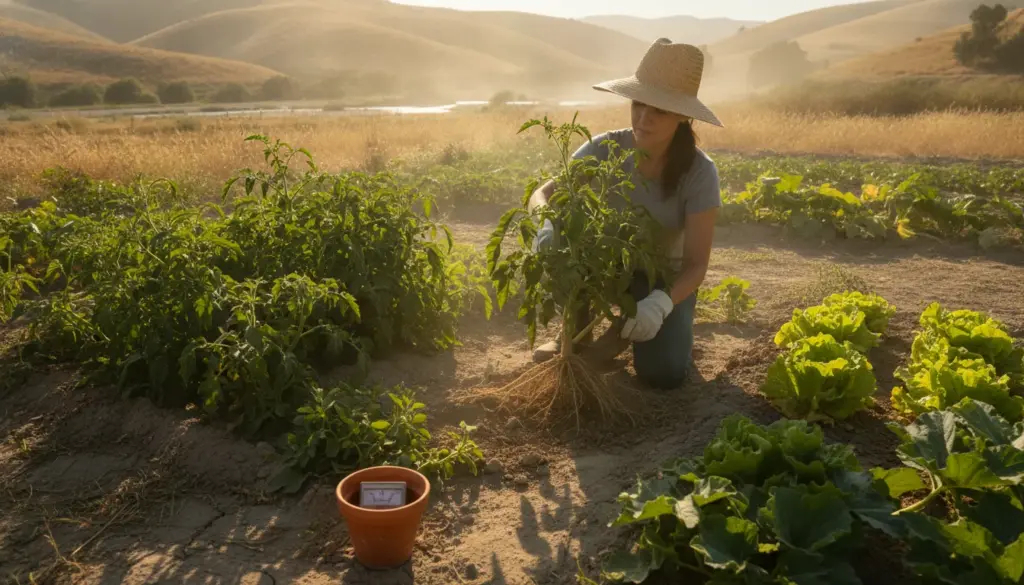
It might sound counterintuitive, but withholding water from tomato plants forces their root systems to dig much deeper into the earth. Once established, they can survive almost entirely without additional moisture. To master this technique, it is highly recommended to start watering your seedlings sparingly right from the nursery stage.
8. Ice Plant
The heat-loving Mesembryanthemum crystallinum is a fascinating member of the stone plant family that thrives in baking temperatures. Gardeners can harvest its crisp, succulent shoot tips every two to three weeks throughout the season. They offer a delightful, naturally salty and peppery crunch to summer salads.
9. Sweet Corn
Sweet corn is a masterclass in agricultural water efficiency. During its early growth phases before blooming, the tall stalks demand practically nothing from the soil. Its thirst only noticeably increases later in the season, specifically during the brief window of flowering and active cob formation.
10. Chickpeas
Once a chickpea plant (Cicer arietinum) successfully establishes its root system in your bed, you can practically put your watering can away. These sun-worshipping legumes brush off prolonged dry periods with incredible ease. This makes them absolute perfection for low-maintenance, climate-resilient plots.
Clever Strategies for a Water-Wise Garden
Choosing the right resilient crops is only half the battle. Implementing smart watering and soil management techniques will ultimately determine your summer harvest success.
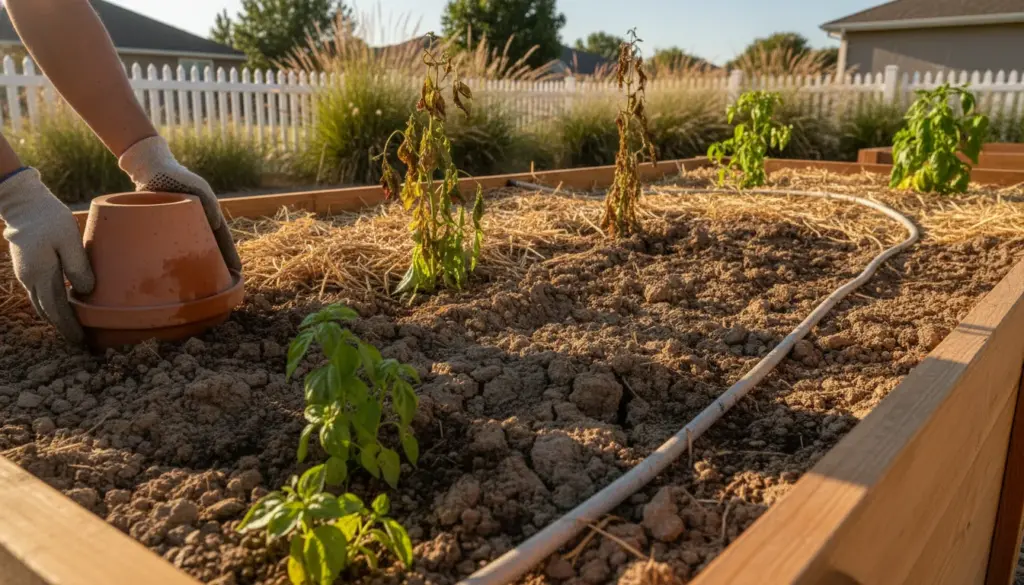
- Always apply a thick layer of mulch. Covering your vegetable beds with straw or dried grass clippings acts as a physical shield against the sun, dramatically slowing down soil evaporation.
- Provide strategic midday shade. Setting up temporary shade cloth during the most punishing afternoon hours gives vulnerable vegetables a much-needed break from heat stress.
- Hoe the surface regularly. Breaking up the hard, crusty topsoil allows sudden summer downpours to actually penetrate the earth rather than running off uselessly.
- Water deeply, not daily. Instead of giving your plants a daily sprinkle, provide a heavy soaking directly at the root zone less frequently. This critical habit trains roots to dive deep rather than lingering near the vulnerable surface.
- Build a crater bed. Designing sunken growing areas naturally shields your sensitive crops from drying winds and creates a cool, moisture-retaining microclimate.