Forget about pouring milk into your balcony planters in hopes of a miracle. By relying on a proper nutrient strategy, your summer plants will produce magnificent blooms without any questionable kitchen pantry hacks.
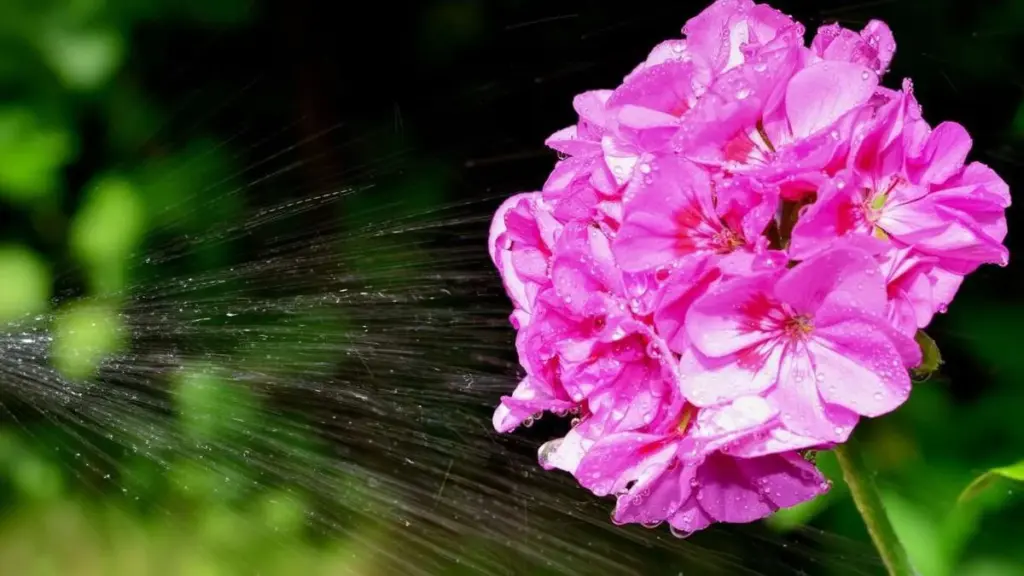
While they might not be the top choice for pollinators, these resilient South African natives remain incredibly popular for very practical reasons. They easily forgive beginner mistakes and handle scorching summer heat on sun-drenched balconies far better than most delicate flowers. However, achieving that massive, continuous floral display requires a highly specific diet. Horticultural specialists strongly warn against widespread internet myths, particularly the viral trend of using dairy products as plant food.
Why popular DIY fertilizers often ruin your blooms
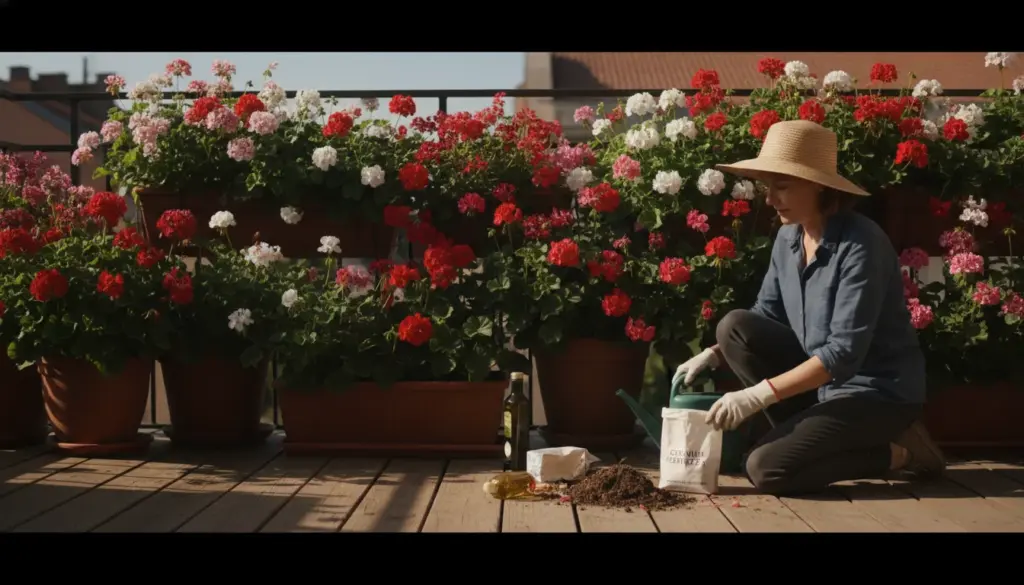
Social media feeds are flooded with tips suggesting you feed your balcony containers with leftover coffee, crushed eggshells, or milk. Professional growers, however, strongly advise against these methods. The primary reason is that geraniums are classified as heavy feeders. They demand a substantial and precisely balanced volume of nutrients that standard kitchen waste simply cannot provide.
While leftover morning coffee does contain trace minerals, its continuous application gradually increases soil acidity. This creates a hostile environment that these specific plants will eventually reject.
When it comes to using dairy as a natural alternative, botanical experts highlight several severe drawbacks:
- Harmful pH shifts: The heavy calcium load in dairy is a vital mineral, but in excessive amounts, it pushes the soil’s pH level into an alkaline state of around 6.6. These flowers thrive best in a slightly acidic environment ranging from 5.5 to 6.0.
- Fungal and bacterial breeding grounds: Dairy introduces nutrients, but it also dumps raw fats and carbohydrates into your planters. As specialists often joke, these plants aren’t baby cows. The lactose and milk proteins act as the perfect food source for destructive fungi, pathogenic bacteria, and annoying fungus gnats.
- Rotting smells and poor hygiene: Decaying dairy residue quickly creates a foul odor and drastically increases the risk of bacterial leaf spot diseases.
- Unnecessary effort: Preparing and applying DIY concoctions takes significantly more time and yields vastly inferior results compared to simply using a standard commercial product.
The correct way to feed heavy-feeding balcony plants
If you want a vibrant, non-stop floral display from late spring straight through to autumn, you need to rely on specialized products. A high-quality blooming plant fertilizer contains the exact blend of nitrogen, phosphorus, potassium, and magnesium your greenery craves. This guarantees that your summer flowers get exactly what they need to build strong stems and an abundance of buds.
The drastic difference in nutrient ratios
To understand why dairy fails, you just have to look at the math. A liter of whole milk contains roughly 5.5 grams of nitrogen (N), 0.9 grams of phosphorus (P), 1.5 grams of potassium (K), and 0.1 grams of magnesium (Mg). This translates to an NPKM ratio of roughly 6:2:2:0.2. By contrast, the absolute optimal ratio for these summer bloomers is 4:2:6:3.
For the easiest application, liquid nutrients are highly recommended. You can simply mix them directly into your watering can. Feeding your plants every one to two weeks during their peak growth phase from May to August is the sweet spot. If you prefer a completely hands-off approach, mix a slow-release granular product into the soil right when you plant them. These granules slowly dissolve over several months, ensuring a steady, reliable baseline diet for the entire season.
Expert Dos and Don’ts for maximum floral power
Dos:
- Use targeted products: Always choose a liquid or granular product specifically formulated for blooming plants rather than generic all-purpose feeds.
- Stick to a schedule: Apply liquid food every one to two weeks, or use a long-lasting slow-release option once in the spring.
- Maximize sunlight: Ensure your containers are placed in the sunniest possible spot on your patio or balcony to encourage maximum budding.
Don’ts:
- Skip the pantry hacks: Keep the coffee, dairy, and eggshells in your kitchen, not in your planters.
- Avoid wet feet: Water your containers thoroughly and regularly, but absolutely never let water pool in the saucers underneath the pots to prevent root rot.
- Don’t ignore deadhead maintenance: Always snap off old, faded flowers to redirect the plant’s energy into pushing out brand new blooms.
Ultimately, while experimenting with kitchen scraps might occasionally show minor results, it carries unnecessarily high risks and rarely produces the stunning cascades of color you truly want. A properly balanced commercial product paired with high-quality, mature compost is always the safest bet. If you prefer to garden naturally and avoid synthetics, simply ask your local nursery for a certified organic fertilizer designed specifically for flowering container plants.