The Peak of the Summer Harvest
As the warmest months arrive, backyard gardens transform into a treasure trove of fresh crops. July stands out as a highly productive season, offering a vibrant array of summer produce like strawberries, raspberries, and apricots. However, sweet cherries frequently take center stage during this bountiful time.
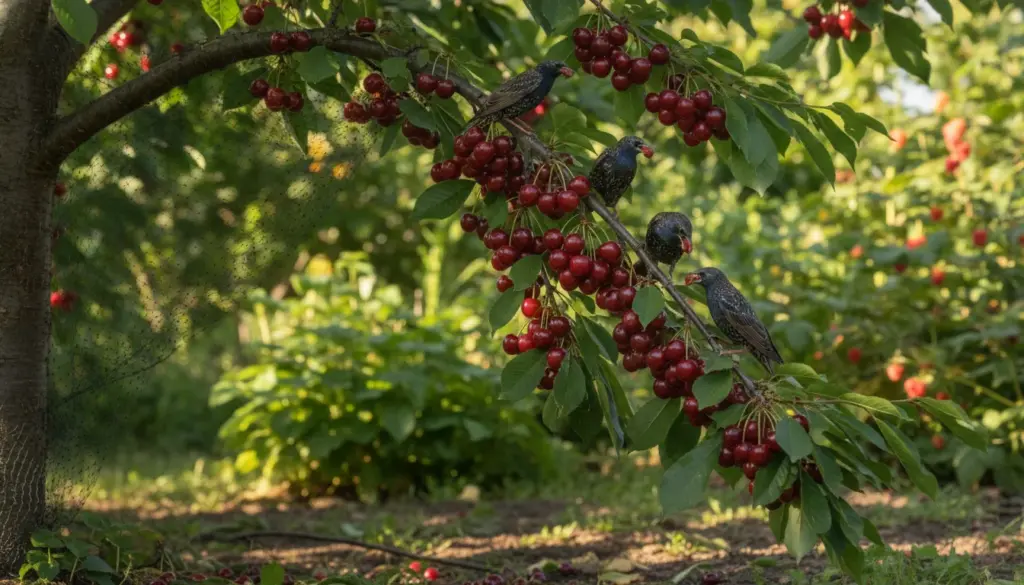
Naturally, humans aren’t the only ones drawn to these seasonal treats. Local birds, particularly starlings, are always on the lookout for a quick snack straight from the branches. Protecting your yield is worth the effort, as these stone fruits are both incredibly refreshing and highly beneficial for your body.
A Nutritional Powerhouse
Beyond their delightful taste, these colorful summer snacks pack a remarkable nutritional punch. Cherries contain an impressive variety of essential nutrients, including:
- Potassium
- Magnesium
- Calcium
- Phosphorus
- Iron
- Vitamins B1, B2, and B6
- Vitamin C
- Folic acid
Furthermore, the deep pigmentation found in darker varieties comes from anthocyanins. These naturally occurring plant compounds are widely recognized for their potential anti-inflammatory properties.
Thanks to this healthy profile, they make a fantastic base for baked goods and desserts. They truly shine in classic treats like Dutch cherry tarts or buttery crumble cakes. If you want to preserve the flavor of summer, turning your harvest into a rich homemade jam is a wonderful option, especially since the finished preserves can easily be frozen for later use.
How to Identify Perfectly Ripe Cherries
To get the maximum flavor out of your backyard orchard, timing your picking session is everything. While you could simply observe when the neighborhood birds begin their feast, there are much more reliable horticultural methods to gauge optimal ripeness.
- Follow the cherry weeks: Gardeners often rely on traditional “cherry weeks” (Kirschwochen), a harvesting timetable developed by the historical pomologist Christian Truchseß von Wetzhausen zu Bettenburg. Beginning with the early “Früheste der Mark” variety, each growth period lasts roughly 15 days. Depending on local climates and weather patterns, this window generally spans from early May through mid-August.
- Check the color and stem: A fruit ready for picking will display a deep, fully developed coloration. Additionally, the stem should separate effortlessly from the branch with minimal tugging.
- Use the proper technique: Always harvest the fruit with its stem attached. You can gently twist the stems off by hand or snip them carefully with gardening shears.
- Consume them quickly: Freshly picked stone fruits have a very short shelf life and should ideally be enjoyed within a few days of coming off the tree.
Best Practices for Freshness and Storage
If you need to keep your daily harvest crisp for a little longer, proper refrigeration is an absolute must. Store the fruits unwashed and with their stems intact inside the fridge, as removing the stems significantly accelerates spoilage.
Alternatively, if you have gathered far more than your household can eat right away, simply freezing the raw, whole fruits is a highly effective preservation strategy.