Mediterranean gardens usually bring dry soil and scorching sun to mind. However, assuming this applies to your fig tree can easily ruin your harvest. Depending on whether it sits in a container or out in a garden bed, this sun-loving plant has very specific hydration needs. A seasoned organic fig grower shares why keeping your watering can handy is crucial, yet overwatering might shatter your dreams of plucking sweet fruits.
Watering Potted Fig Trees Correctly
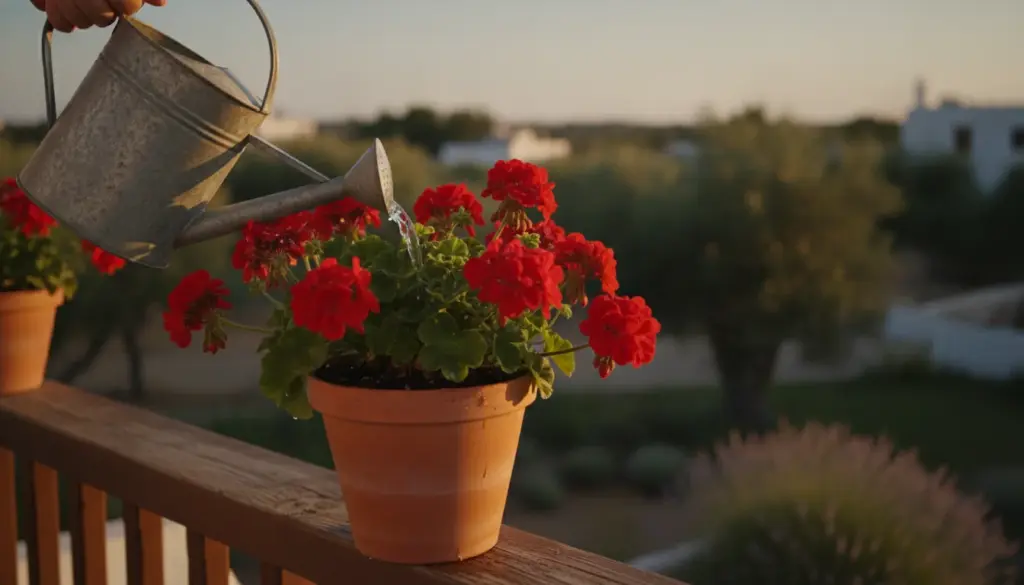
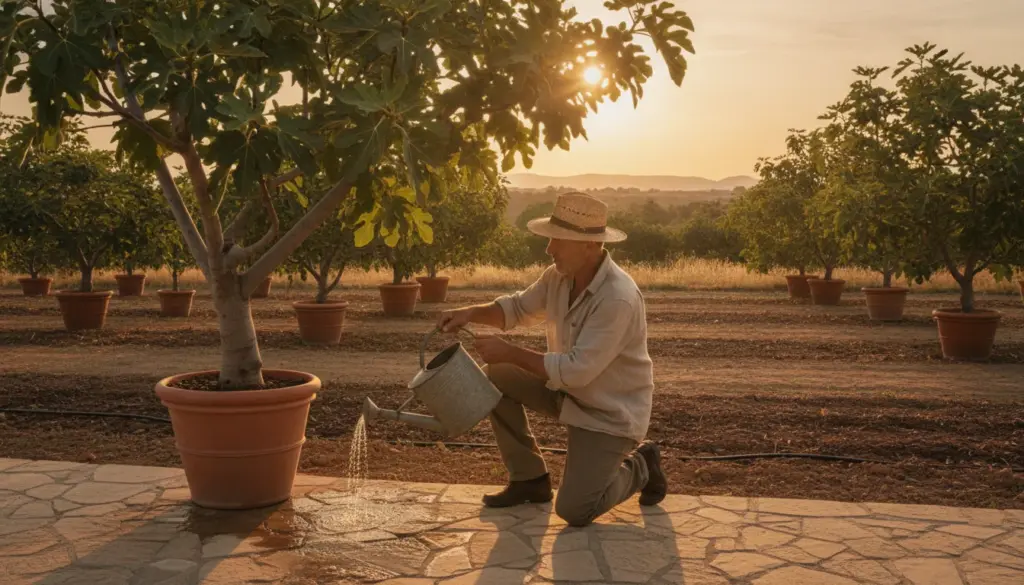
Container-grown figs require a special touch, especially during the warmer months. According to the expert, these plants demand generous amounts of water during intense heatwaves and fruit development. Conversely, when summer temperatures drop, their fluid intake should decrease significantly.
This is exactly where the clever 10-percent rule comes into play. If you pour one liter into the pot, exactly 100 milliliters should drain out of the bottom. This slight overwatering technique guarantees the root ball is thoroughly soaked while simultaneously flushing out accumulated salts, such as sulfate and sodium compounds. Morning is the ideal time for this task, though setting up a drip irrigation system works wonderfully too.
During autumn and spring, the tree’s thirst naturally declines. In the colder months, especially if kept in an unheated greenhouse, deciduous plants only need a drink every three to five weeks. Always keep the soil on the drier side and never let standing water accumulate in the saucer.
Essential Golden Rules for Fig Hydration
- Embrace hard water: Fig trees thrive on alkaline, calcareous water, making standard tap water an excellent choice.
- Watch the leaves: Inspect your plant weekly throughout the summer. If the foliage starts drooping, hydrate it immediately.
- Prevent waterlogging: Always empty the drainage saucer promptly and ensure your garden soil offers excellent drainage.
Planted Fig Trees: Why Less Is More
Once your fig tree is permanently established in the garden, your watering strategy must change entirely. During dry summer spells, deep interval watering becomes the standard. For the first two years after planting, it is highly beneficial to intentionally expose the tree to longer dry periods.
This calculated drought stress forces the root system to dive deeper into the earth. On sandy terrain, a thorough soaking once or twice a week suffices. If you have heavy clay soil, spacing out your watering to every one or two weeks is optimal. This training makes the plant significantly more resilient by teaching it to tap into deeper underground moisture reserves.
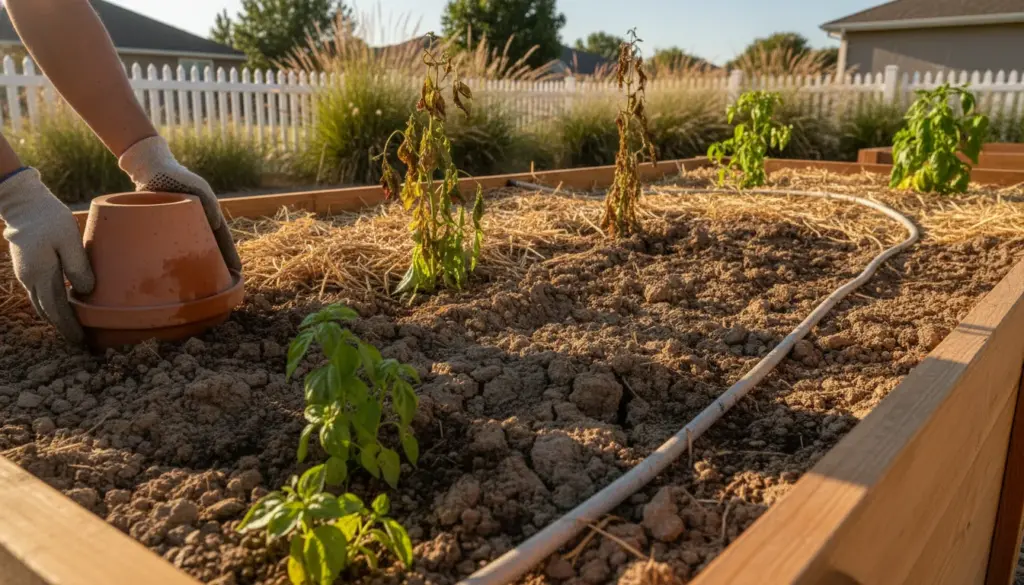
If Mother Nature provides more than 15 millimeters (liters per square meter) of rain, you can skip your watering duties entirely. Excellent drainage using coarse gravel or pebbles is fundamental to prevent suffocating moisture. You can easily spot poor drainage if puddles linger long after a rainstorm. In densely compacted clay soils, stagnant water deprives the roots of oxygen, which can eventually kill the plant.
Quick Overview: Watering by Age and Season
- Young Trees (Years 1-2): In pots, they need regular, heavy watering during heatwaves and fruiting. In the ground, water sandy soils weekly and clay soils bi-weekly.
- Mature Trees: Container plants still need abundant moisture during hot spells. Garden-planted trees only require rare, deep soakings during prolonged droughts or early fruit formation.
- Winter Care: Potted specimens should be checked with a finger test and watered roughly every three weeks. Outdoor trees only need deep watering on mild days during extended dry winter spells to prevent frost dehydration.
- Spring and Autumn: Keep potted plants moderately moist without ever letting water sit in the tray.
Maximizing Growth During Heat and Fruiting
Whether situated on a patio or planted directly in the earth, your fig tree will experience two major spikes in its water demand: during scorching summer heatwaves and the exact moment the fruits start ripening. The plant expends a massive amount of energy during these phases to produce large, succulent figs.
It is vital to adjust your gardening routine to accommodate this intense growth period. Supply the tree generously with hydration during these crucial weeks, always remaining vigilant that no excess moisture is permanently trapped around the roots.