Timing is Everything: When to Feed Your Fig Tree
Wondering why your beautiful fig plant isn’t producing those deliciously sweet fruits you were hoping for? While providing ample sunlight and consistent watering is a fantastic start, the secret to an abundant harvest often comes down to plant nutrition. Feeding your plant incorrectly can actually do more harm than good. Professional orchard experts warn that choosing the wrong nutrients is a remarkably common pitfall for home growers.
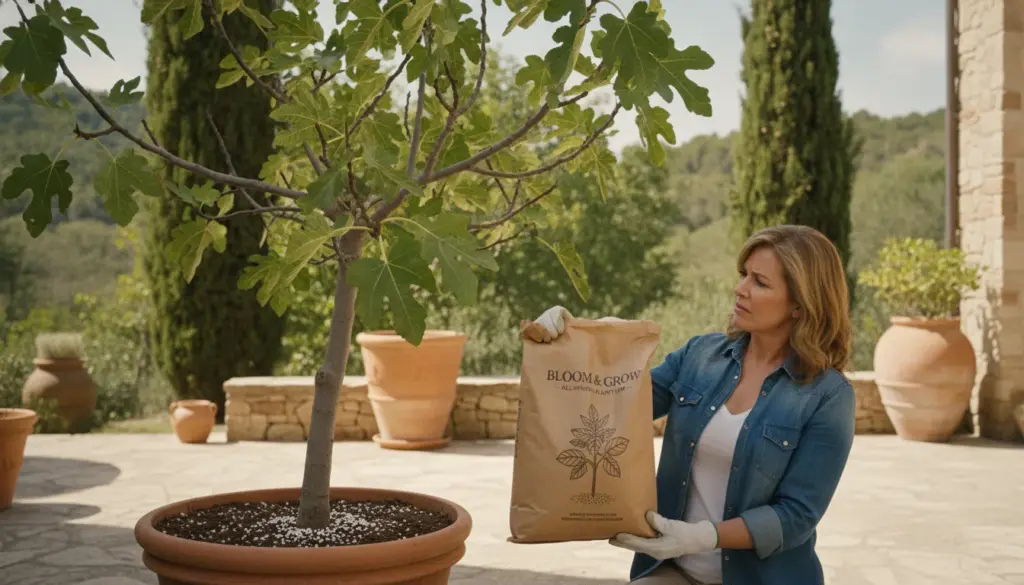
Mediterranean beauties like figs crave their primary nutrient boost precisely when their active growth cycle kicks in. For optimal results, you should nourish your plant twice annually using a high-quality organic slow-release formula. Schedule your first application for May, followed by a second round in July. This specific timing allows beneficial soil microbes to break down the nutrients gradually, fueling vigorous shoot development and bountiful fruit production.
Growing your fig in a container? You have another excellent option. You can simply add a specialized liquid fertilizer to your regular watering routine every two weeks from May through August.
The Ultimate Rookie Mistake: Nitrogen Overload
Reaching for standard, nitrogen-heavy mineral plant food is a widespread error that can sabotage your harvest. Fig trees are incredibly sensitive to excessive nitrogen levels. When bombarded with this element, the plant shifts entirely into vegetative growth mode. The cellular structure becomes overly large and dangerously soft. Consequently, your tree becomes a prime target for destructive pests and diseases, while significantly losing its natural ability to withstand freezing temperatures.
Spotting the Signs of Over-Fertilization
How can you tell if you’ve been too generous with the plant food? Take a close look at the foliage and branches. If you spot elongated, fragile, and unusually thin green shoots, you are likely dealing with nitrogen toxicity. On the other hand, if the leaf margins start turning yellow or brown, it usually indicates a general nutrient overload. Both scenarios will ultimately lead to a disappointing lack of fruit.
Why Organic Options Reign Supreme
Whether your plant thrives in a cozy patio pot or stretches out in the garden soil, organic blends are universally recommended by horticultural specialists. Look for a dedicated fruit and berry formula packed with generous amounts of phosphorus and potassium. This precise mineral combination acts as a catalyst for robust fruit development and proper wood maturation. Don’t panic if you notice a slight fungal web appearing on the topsoil after feeding—this is simply a visible sign of a healthy, active soil ecosystem at work!
Container vs. Outdoor Care Strategies
- Potted Plants: Always base your dosage on the specific container size and the manufacturer’s guidelines. Crucial tip: Never apply fertilizer to bone-dry soil; always water thoroughly beforehand. If you have recently repotted your green companion, wait a minimum of six to eight weeks before introducing any extra nutrients.
- Garden Planting: Outdoor specimens appreciate a nutrient boost right at the time of planting. For mature trees, spreading a three-centimeter layer of rich compost over the root zone in early spring works wonders. Alternatively, you can lightly rake an organic complete fertilizer directly into the surrounding soil.
Boosting Winter Resilience
Want to ensure your hardy fig survives the bitter cold? The secret lies in your late-summer feeding strategy. By deliberately restricting nitrogen and slightly bumping up the potassium intake as autumn approaches, the branches harden off much more effectively. This simple nutritional tweak dramatically increases the tree’s frost resistance, helping it weather the coldest months entirely unscathed.