Future-Proofing Your Yard: Beyond Basic Heat Resistance
Summers are turning up the heat, and rainfall is becoming increasingly erratic. Consequently, traditional backyard layouts are struggling to keep up with these shifting weather patterns.
Classic lawns are turning into brown patches, and delicate ornamental flowers only survive with constant watering. However, there is a way to build a resilient outdoor space. A spokesperson from the German Nature and Biodiversity Conservation Union (NABU) sheds light on how to transform your yard into a weatherproof oasis.
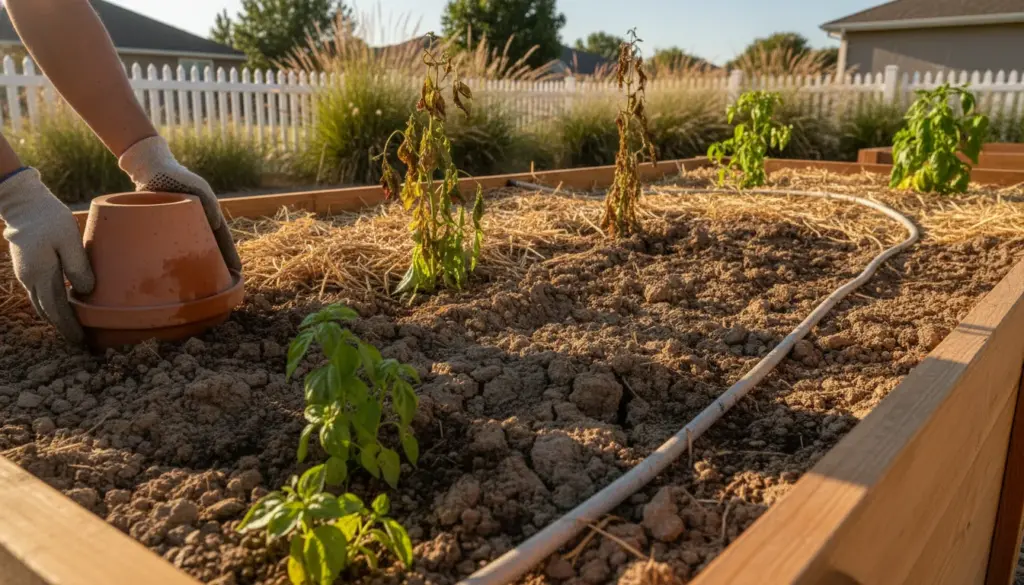
When aiming for a climate-fit landscape, most people immediately think about water shortages. Yet, this is only half the battle. True climate adaptation isn’t merely about surviving drought and high temperatures.
Extreme weather events, such as severe storms and sudden torrential downpours, are also becoming more frequent. Gardeners must factor in these intense conditions when selecting plants and designing their layouts.
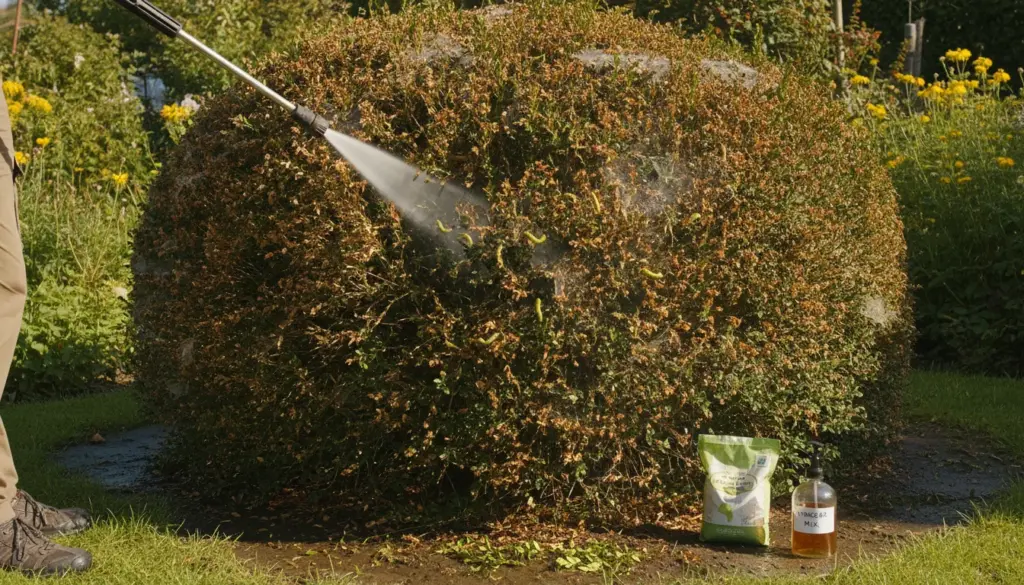
A resilient landscape needs to multitask: require less irrigation, buffer intense heat, and absorb heavy rainfall instead of letting it run off. Because of this, heavily paved areas and sterile stone gardens are quickly becoming major liabilities.
Thirsty Garden Classics Are Becoming a Problem
Certain popular plant varieties only thrive when they receive massive amounts of water on a regular basis. This is exactly where a shift in mindset is urgently needed.
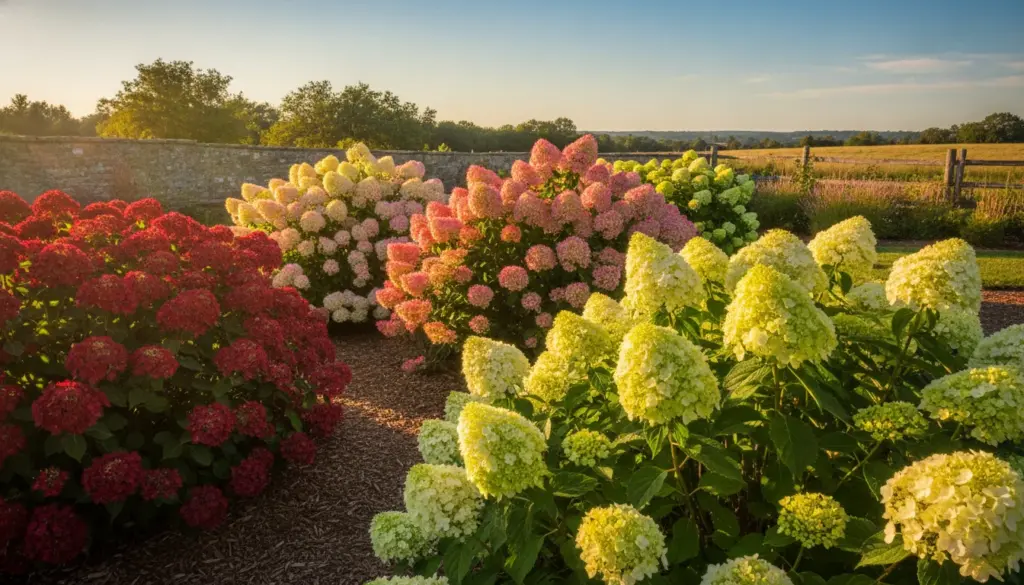
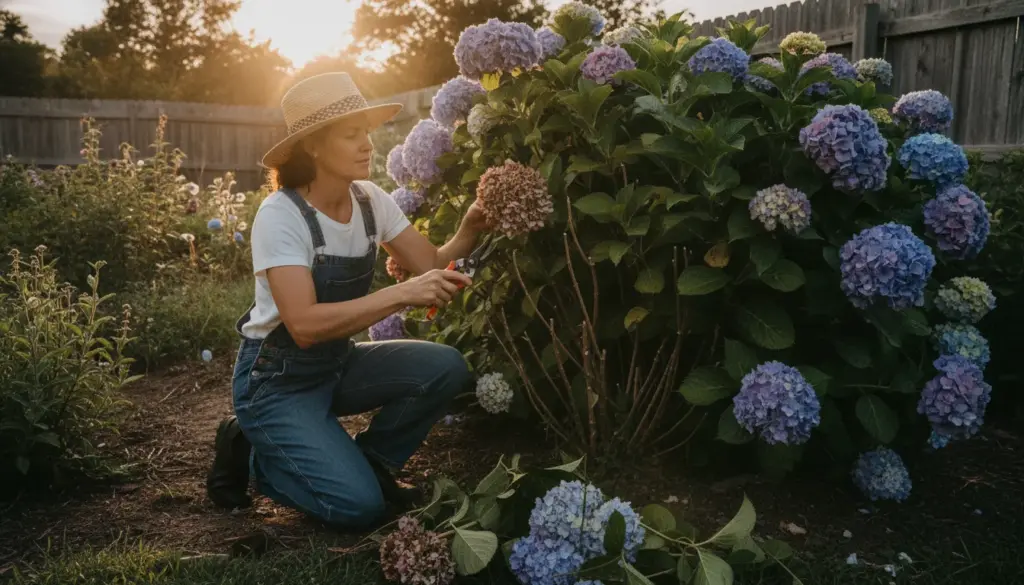
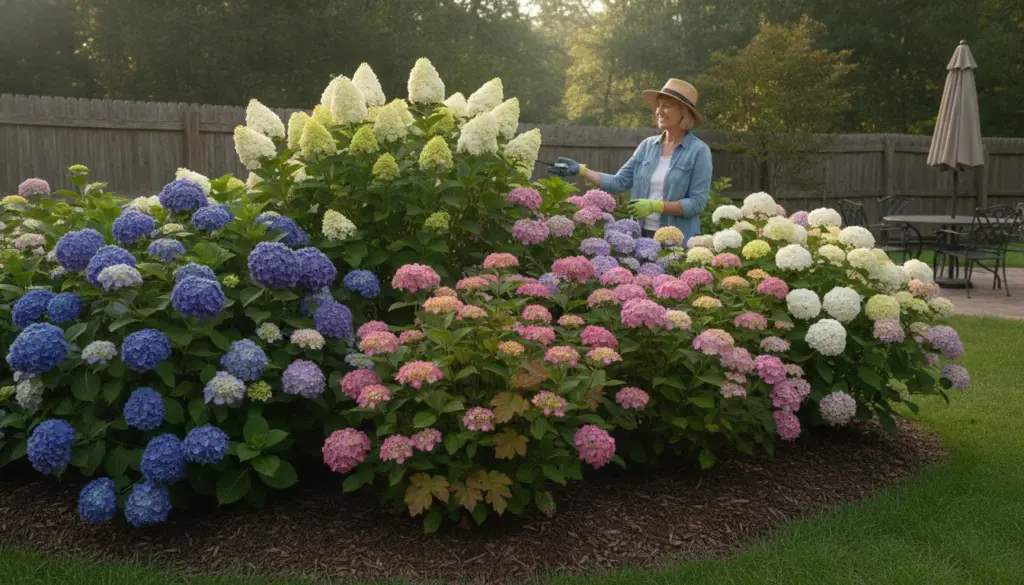
Experts strongly advise against planting heavily water-dependent species, such as hydrangeas. During scorching summer months, these thirsty shrubs often demand daily watering. With water scarcity on the rise, maintaining such high-maintenance greenery is no longer practical or sustainable.
Typical trouble spots in traditional yard designs include:
- Expansive manicured lawns that scorch quickly and swallow enormous amounts of water.
- Thirsty ornamental shrubs and large-leaved perennials planted in full, blistering sun.
- Heavily paved walkways, patios, and driveways that cause precious rainwater to simply wash away.
Selecting Plants That Flourish in the Heat
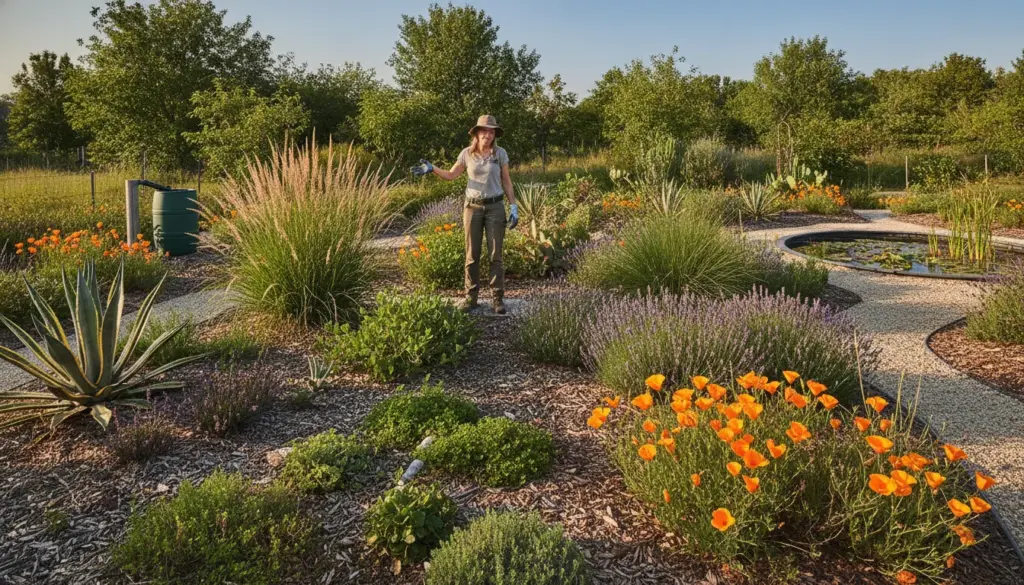
Fortunately, you can still maintain a breathtaking landscape. There are numerous stunning plant species that tolerate dry spells beautifully while simultaneously supporting local insect populations.
Drought-tolerant flowering plants are particularly highly recommended for a resilient yard:
- Wild oregano – incredibly robust, adores full sunshine, and acts as a magnet for countless pollinators.
- Meadow clary – perfect for natural and cottage-style aesthetics, offering long blooming periods with minimal upkeep.
- Viper’s bugloss – thrives effortlessly in poor, dry soils while providing abundant nectar for local wildlife.
These heat-loving perennials can gradually replace your water-guzzling varieties. You can integrate them into existing flower beds, plant them where the grass has died, or position them along a sun-drenched fence.
Transforming Your Outdoor Space Into a Natural Air Conditioner
A well-designed, climate-adapted yard should genuinely feel noticeably cooler in the summer compared to a heavily paved conventional plot. The secret to achieving this refreshing microclimate comes down to two essential elements: abundant greenery and deep shade.
An outdoor space capable of cooling its surroundings must be exceptionally lush. This completely rules out the popular trend of sterile gravel gardens.
Instead of relying on pebbles and rockery, consider these cooling alternatives:
- Hedges made from native shrubs like Cornelian cherry, elderberry, or blackthorn. They effectively break harsh winds, cast cooling shadows, and prevent the soil from drying out.
- Wildflower meadows or herbal lawns as a low-maintenance substitute for strictly mowed ornamental grass. They retain moisture far longer and breeze through heatwaves.
- Diverse perennial beds featuring primarily native species. A higher level of plant diversity ensures the entire ecosystem remains stable under environmental stress.
- Climbing plants on walls and fences to shade your home’s exterior and dramatically improve the immediate microclimate.
Whenever possible, remove unnecessary paving. Opt for permeable pathways, heavily planted joints, and sunken beds that capture and store rainwater deep within the earth. This ensures moisture remains accessible to roots during dry spells, rather than flushing straight into the municipal sewer system.
A Gradual Shift Towards a Climate-Resilient Oasis
Adapting your property to future heatwaves doesn’t require tearing everything up overnight. The most effective approach is to implement small, deliberate changes year by year.
You might start by converting a small patch of struggling grass into a vibrant wildflower meadow, swapping out a particularly thirsty shrub, or lifting a few paving slabs to create a new planting pocket. Step by step, your yard will evolve into a resilient haven that shrugs off extreme weather, demands far less watering, and fosters a thriving environment for plants, insects, and humans alike.