Why Creeping Thyme is the Ultimate Ground Cover
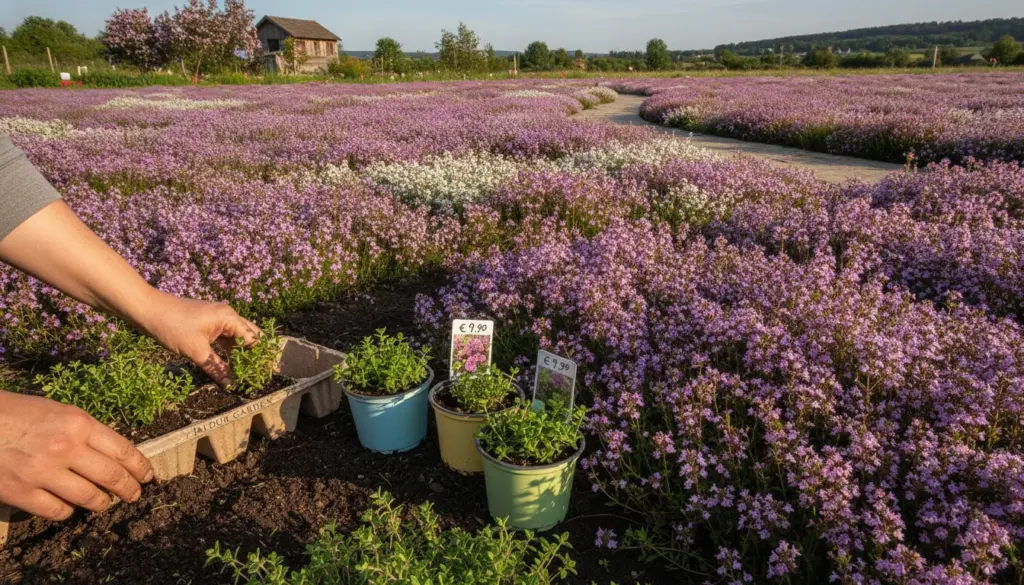
Imagine transforming those dull, bare patches in your yard into a fragrant, buzzing oasis without emptying your wallet. Thyme is a brilliant, multifaceted addition to any outdoor space, offering Mediterranean charm and an irresistible lure for beneficial pollinators. Right now, gardening specialist BALDUR is offering a strikingly colorful trio for a mere €9.90.
As any seasoned landscape designer will tell you, finding a plant that is both gorgeous and functional is like striking gold. This aromatic herb excels at blanketing empty spaces, whether you are trying to soften the hard edges of a rockery or create a natural, flowing border along a walkway. It forms a remarkably dense mat that acts as a living mulch, effectively choking out pesky weeds before they can establish themselves.
Beyond its weed-blocking prowess, this resilient perennial is fully winter hardy and impressively drought-tolerant. It shrugs off scorching summer heat with absolute ease. Furthermore, eco-conscious gardeners will appreciate its vital role as a pollinator magnet. When in bloom, the nectar-rich flowers become a bustling hub for bumblebees and honeybees, helping you cultivate a thriving, insect-friendly ecosystem right outside your door.
Inside the Colorful BALDUR Plant Trio
If you want to maximize visual impact, the “Colours” mix delivers an outstanding variety of hues. This carefully curated collection includes three distinct, visually striking varieties that bloom beautifully together:
- Thymus aureus (Golden Thyme): Featuring radiant golden-yellow foliage that instantly illuminates darker planting beds, perfectly complemented by delicate light pink blossoms.
- Thymus serpyllum (Creeping Sand Thyme): Exceptionally resilient to foot traffic, making it the premier choice for greening up pathway crevices or stepping stones. It produces vibrant purple to rosy pink flowers.
- Thymus praecox (Hairy Mountain Thyme): Known for its lush, deep green leaves that take on a charming reddish tint during the colder months. It boasts an incredibly abundant display of pink blooms.
Each specimen arrives in a practical 9×9 cm nursery pot, ready to merge into a seamless, multicolored floral carpet. You won’t have to wait long for results, either. Even in their very first year in the ground, these vigorous perennials will reward you with a profusion of intensely fragrant flowers stretching from May all the way through September.
Expert Tips for Planting and Long-Term Success
To ensure your new herbaceous ground cover thrives from day one, proper installation is key. Follow these proven horticultural steps to get your plants established perfectly in your garden landscape:
- Initial Preparation: Gently unpack the plants and give them a thorough soaking if the root ball feels dry. Carefully tease the roots apart with your fingers or make very shallow vertical cuts with a clean knife to encourage outward growth.
- Ideal Location: Choose a spot that receives full sun to partial shade. Remember, the more direct sunlight the foliage absorbs, the richer the essential oils and the stronger the signature fragrance will be.
- Soil Conditions: These Mediterranean natives demand loose, lean, and highly permeable earth. If you have heavy clay, vigorously mix in some coarse sand or gravel to guarantee excellent drainage, as root rot from waterlogging is their biggest enemy.
- Spacing Strategy: To achieve a lush, impenetrable carpet without overcrowding, aim to plant about four to five individual specimens per square meter.
- When to Plant: You can safely get these into the ground anytime from early spring until late autumn, provided the earth is entirely free of frost.
Creative Placement and Easy Maintenance
While creeping thyme looks spectacular bordering a garden path, it truly shines when allowed to cascade. Try tucking these plants into the nooks of an elevated herb spiral or the crevices of a dry stone wall. They will rapidly spill over the hard edges, creating dramatic, hanging splashes of vibrant color.
Once established, your botanical carpet will require very little of your time. When it comes to hydration, less is definitely more; simply ensure the soil never becomes completely bone-dry for extended periods. While a very light application of organic fertilizer in the spring is optional, what is highly recommended is a swift, restorative spring pruning. Trimming the foliage back slightly as the weather warms will encourage dense, bushy growth and prevent the base of the stems from becoming undesirably woody over time.