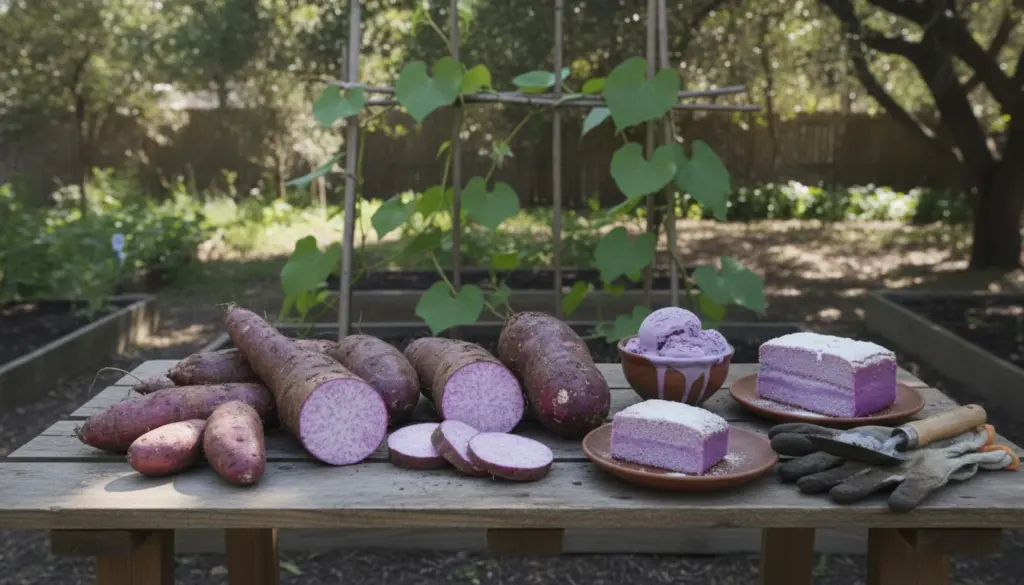
Goodbye, matcha. A vibrant new superfood has arrived to steal the culinary spotlight. Ube, a fascinating yam native to the Philippines, is currently transforming lattes, cakes, and ice cream into stunning shades of pastel purple. This viral food craze has many gardening enthusiasts wondering: Is it actually possible to cultivate this striking purple root in your own backyard?
What Exactly Is Ube?
Botanically known as Dioscorea alata, ube is frequently referred to as water yam or purple yam. This unique crop originates in Asia and serves as a crucial staple food, particularly in the Philippines. There, it famously stars in traditional delicacies like halo-halo, a beloved dessert featuring shaved ice, condensed milk, and plantains.
It is certainly no coincidence that this root is a favorite ingredient for sweet treats. The flesh naturally offers a mildly sweet, pleasantly nutty flavor profile. Once social media caught wind of its photogenic qualities, the hype became unstoppable. Major coffee chains have quickly capitalized on the craze, infusing the vibrant ingredient into countless seasonal beverages. Because that delicate violet hue looks spectacular in photos, the visual appeal continues to fuel its massive popularity.
Why Is the Ube Trend Facing Criticism?
While western nations celebrate this crop as the latest aesthetic food fad, it remains an essential daily resource in the Philippines. Traditionally, regional farmers cultivate the root on a relatively small scale. However, the sudden global social media demand has caused market pressure to skyrocket. Unfortunately, local agricultural workers reap very few benefits from this boom, as the massive profits primarily flow toward international middlemen. This dynamic makes cultivation surprisingly unattractive for the actual farmers, which could eventually trigger a worldwide supply shortage.
Can You Grow Ube in Temperate Climates?
Passionate fans of this vibrant food might be tempted to plant a few tubers in their own garden beds. But is a successful harvest actually realistic outside the tropics? The straightforward truth is that achieving a bountiful yield in cooler regions is virtually impossible. Water yam is strictly a tropical specimen that demands constant temperatures of at least 21 degrees Celsius. While a hot mid-summer day might meet these requirements, the inevitable chilly nights will cause severe stress to the plant over time.
If you are absolutely determined to chase the dream of homegrown purple yams, your only viable option is maintaining a specialized tropical microclimate inside a heated greenhouse. Before you start digging, keep in mind that this crop requires a lengthy nine to twelve months to reach maturity. Running heating systems and artificial grow lights for nearly a year can quickly become an exorbitant expense. Ultimately, the immense financial and physical effort rarely justifies the small amount of food you will eventually put on your plate.
The Winter-Hardy Alternative: Chinese Yam
Are you still eager to experiment with growing yams in your garden? Fortunately, there is a fantastic alternative that tolerates cooler weather conditions much better. The Chinese yam (Dioscorea batatas) might lack the spectacular purple coloring of its trendy cousin, but it makes up for it by being fully frost-hardy and surprisingly productive. In fact, a single mature tuber can easily weigh several kilograms.
As a crucial botanical safety note, raw Chinese yams contain naturally occurring saponins, rendering the uncooked flesh mildly toxic. You must thoroughly cook, bake, or fry the root before consumption. Once properly prepared, it transforms into a delicious, mildly sweet vegetable with a comforting flavor reminiscent of a cross between a potato and a roasted chestnut.
Essential Tips for Growing Chinese Yam:
- Ideal Location: Choose a spot with full sun to partial shade. The climbing vines absolutely require sturdy support structures, such as tall tomato spirals or a heavy-duty garden trellis.
- Soil Conditions: Provide light, well-draining, sandy soil enriched with plenty of humus. Aim for a neutral pH level around 7.0 for optimal root expansion.
- Hill Planting Method: Constructing a raised dirt ridge approximately 50 centimeters high will significantly warm the soil faster and make the deeply buried tubers much easier to dig up later.
- Container Gardening: A tall, deep planter (measuring at least 50 centimeters in both height and diameter) is an excellent alternative. Come harvest time, you simply tip the container over to reveal the pristine roots.
- Harvest Timeline: For maximum size, wait three years before conducting a fall harvest. However, if you plant early enough in the spring (by May), you can still enjoy a modest initial yield by the end of your first growing season.
If cultivating Chinese yams still sounds a bit too labor-intensive, you can always try your hand at growing sweet potatoes instead. They are notably easier to manage in standard garden settings and offer a very comparable culinary experience.
Even if growing authentic purple yams remains nothing more than a fascinating backyard experiment, this colorful culinary craze has achieved something wonderful. It serves as a beautiful reminder of just how incredibly diverse, exciting, and visually stunning the world of vegetables can truly be.