Summers are undoubtedly getting hotter, accompanied by increasingly unpredictable rainfall patterns. Many traditional backyard favorites are visibly struggling to cope with these shifting conditions. Fortunately, adapting your outdoor space doesn’t have to be overwhelming. An expert from the Nature and Biodiversity Conservation Union (NABU) shares actionable strategies to gradually transform your landscape.
We are all experiencing the new normal: weeks of relentless dry spells abruptly interrupted by severe thunderstorms. The familiar gardening routines of the past are simply no longer sustainable. Lawns are scorching into brown patches, while delicate ornamental blooms barely survive without a continuous water supply. Silvia Teich, a Berlin-based spokesperson for NABU, outlines precisely how a resilient outdoor space can weather these dramatic meteorological shifts.
Future-Proofing: Beyond Heat Resistance to Extreme Weather Survival
When planning a climate-ready landscape, the immediate thought often jumps to mitigating drought. However, taking a broader view is essential for long-term success.
Adapting our green spaces involves much more than just preparing for rising temperatures and arid soil. The frequency of extreme weather events, including violent storms and torrential downpours, is directly linked to ongoing climate shifts. Gardeners must factor these realities into both their structural designs and botanical selections.
A truly resilient yard must successfully juggle multiple roles simultaneously. It needs to thrive on significantly less irrigation, actively cool the surrounding air, and act like a sponge during heavy rain rather than allowing surface runoff. Consequently, heavily paved areas and expansive stone deserts are becoming major liabilities.
Reevaluating Thirsty Garden Classics
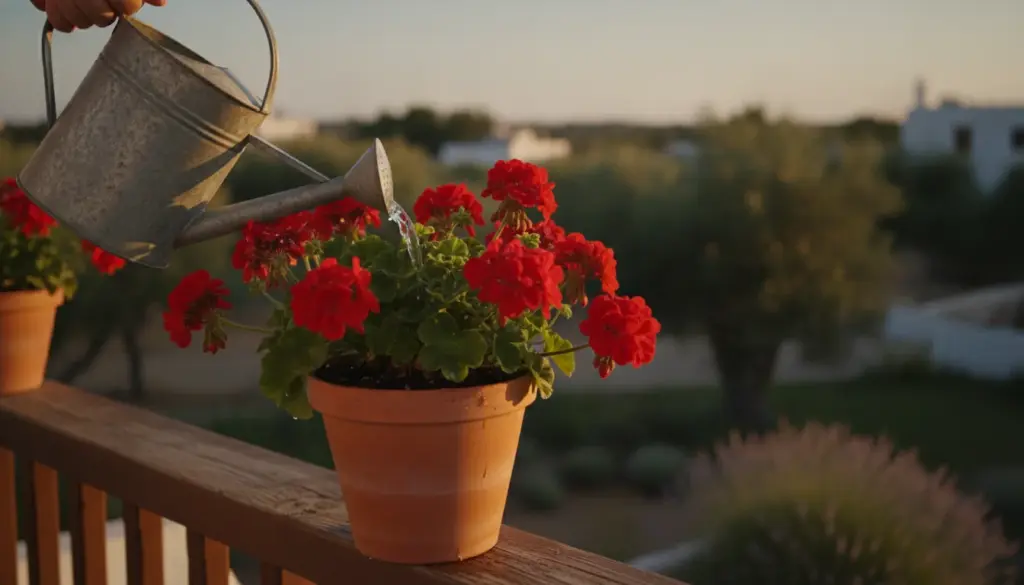
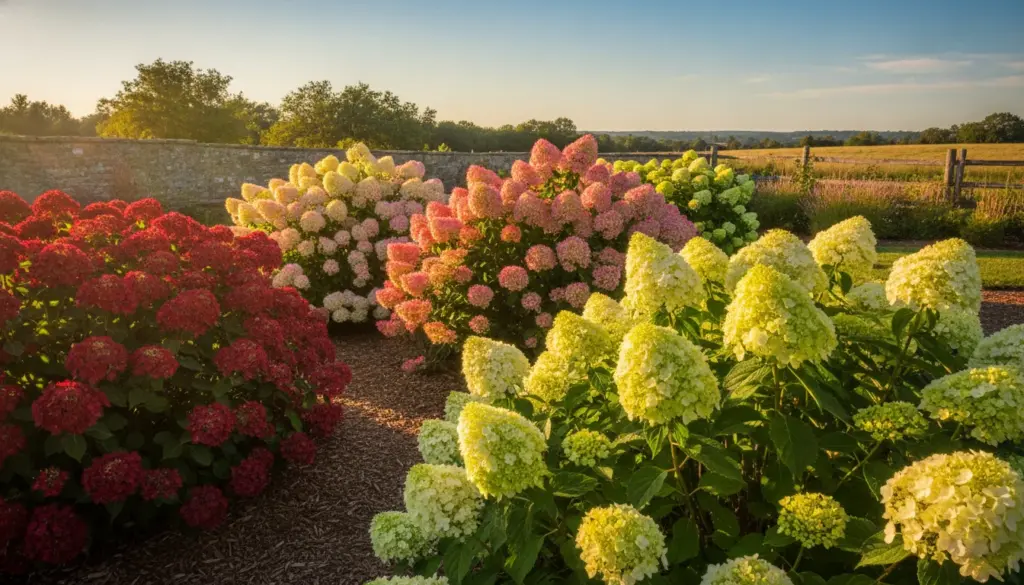
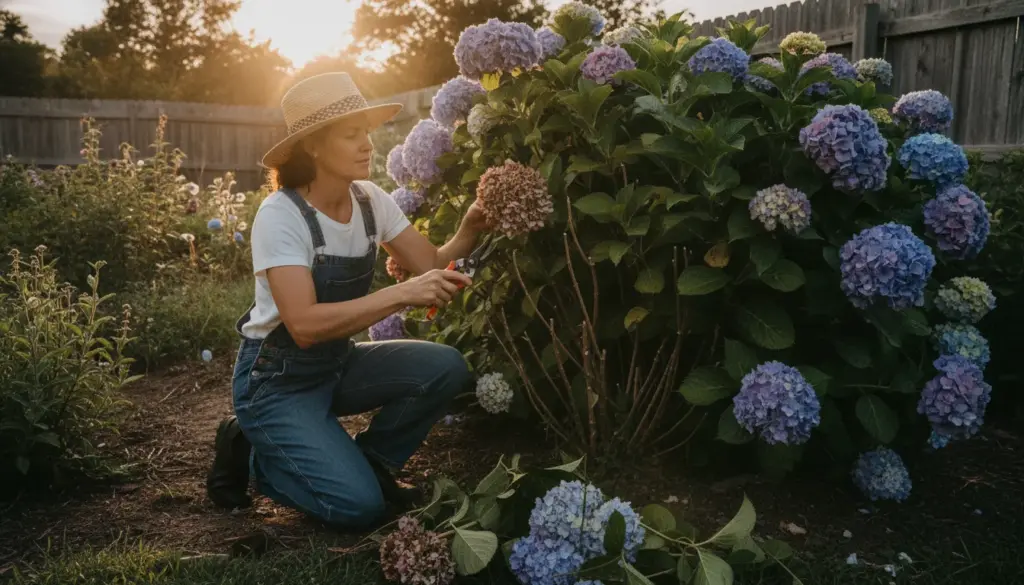
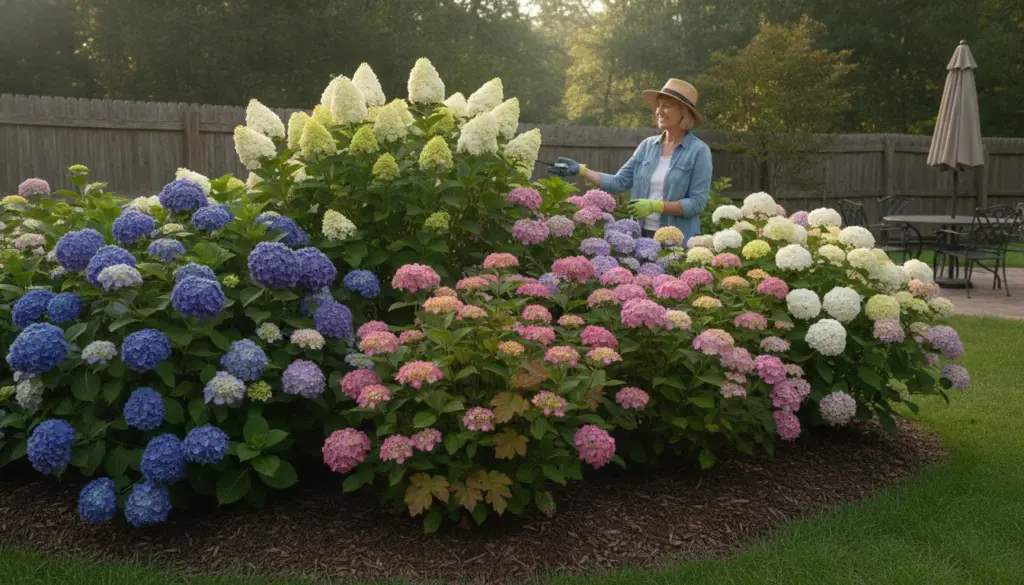
Species that demand massive amounts of hydration just to maintain a baseline aesthetic are becoming increasingly problematic. This is exactly where a shift in perspective is required. Cultivating highly water-dependent varieties, such as hydrangeas, is largely discouraged today. Keeping them alive during peak summer heat often requires daily drenching—a practice that is incredibly difficult to justify as water becomes a more precious resource.
The most common vulnerability zones in traditional landscape designs include:
- Expansive turf lawns that quickly scorch in the sun and demand excessive watering.
- Moisture-loving ornamental shrubs and broad-leafed perennials positioned in direct sunlight.
- Extensively paved walkways, patios, and driveways that completely block natural rainwater absorption.
Addressing these specific areas offers the perfect starting point to rethink your layout and explore hardier alternatives.
Identifying Plants That Thrive in the Heat
The silver lining is the sheer abundance of gorgeous botanical options built to endure prolonged dry spells. As a bonus, these hardy survivors are fantastic for supporting local insect populations. Focusing on drought-tolerant blooming varieties is highly recommended. Some standout choices include:
- Wild Oregano – A remarkably robust option that basks in full sun and acts as a magnet for vital pollinators.
- Meadow Sage – Perfect for naturalistic or cottage-style designs, offering an extended blooming period with minimal upkeep.
- Viper’s Bugloss – Exceptionally comfortable in nutrient-poor, arid soils while supplying copious amounts of nectar.
These sun-loving perennials can seamlessly replace more demanding species over time. Consider introducing them into existing flower beds, along sun-drenched fences, or in areas where a struggling lawn has been removed.
Transforming Your Yard Into a Natural Cooling System
A smartly adapted landscape should noticeably lower the ambient temperature compared to heavily paved, conventional yards. Achieving this refreshing microclimate relies entirely on maximizing lush vegetation and dense shade.
To actively cool its immediate environment, a yard must be overwhelmingly green and rich in shaded zones. This fundamental requirement immediately disqualifies the once-popular minimalist gravel garden.
Instead of relying on sterile stone beds, consider implementing these natural cooling strategies:
- Native shrub hedges featuring varieties like Cornelian cherry, blackthorn, or elderberry. They act as windbreaks, cast cooling shadows, and shield the earth from rapid evaporation.
- Wildflower meadows or herbal groundcovers as an ecologically sound alternative to heavily manicured turf. These diverse plantings retain moisture much longer and shrug off intense heat.
- Varied perennial borders populated primarily by regionally adapted native species. A wider diversity of plants creates a more stable, stress-resistant ecosystem.
- Climbing vines on exterior walls to shade masonry and significantly enhance the localized climate around your home.
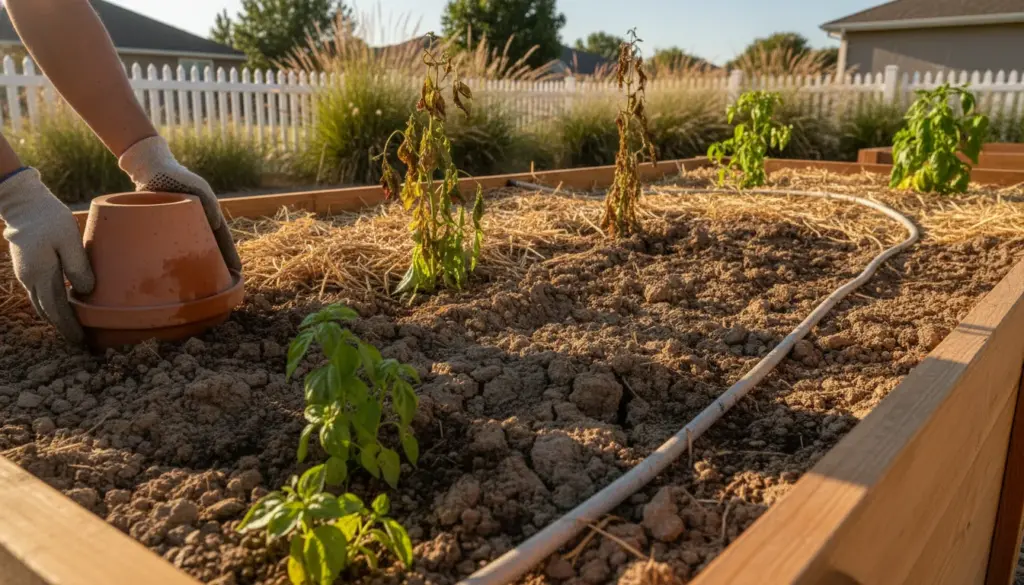
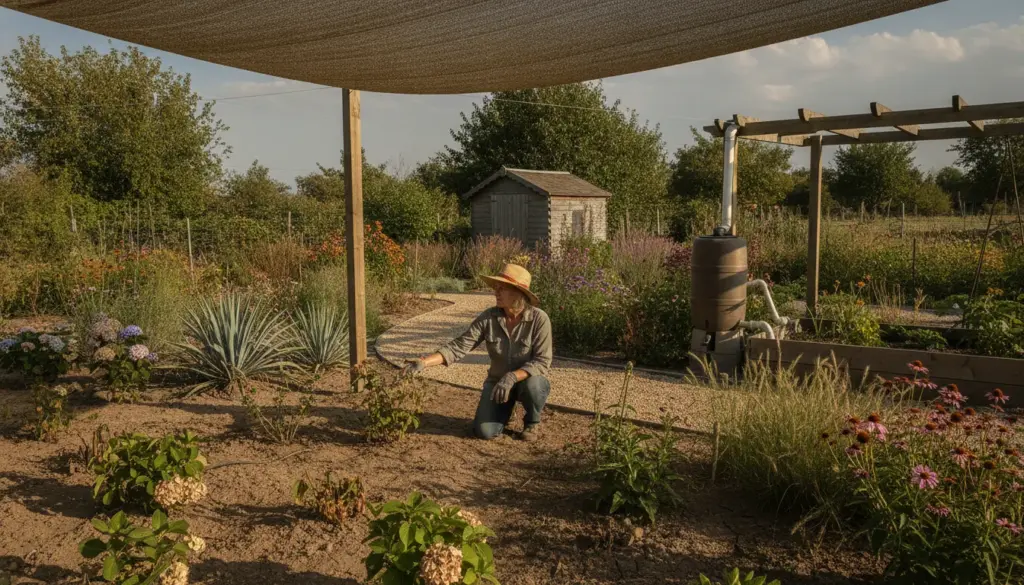
Furthermore, removing impenetrable surfaces should be a top priority wherever feasible. Opting for permeable pathways, incorporating greenery into paving joints, and building garden beds designed to capture rain will keep moisture locked in the soil. This stored hydration becomes a lifeline for your plants during inevitable dry weeks, rather than being lost down a storm drain.
The Far-Reaching Benefits of Climate-Conscious Gardening
Transitioning your outdoor living area to withstand tomorrow’s heatwaves doesn’t require an overnight overhaul. The most sustainable approach is tackling just one or two small projects each season. Whether it’s letting a patch of grass grow into a wild meadow, swapping out a handful of thirsty flowers, or pulling up a few patio stones to plant a shrub, every step counts. Gradually, you will cultivate an enduring oasis that brushes off extreme weather, drastically reduces your watering chores, and provides a thriving sanctuary for wildlife and humans alike.