The Secret to a Bountiful Fig Harvest
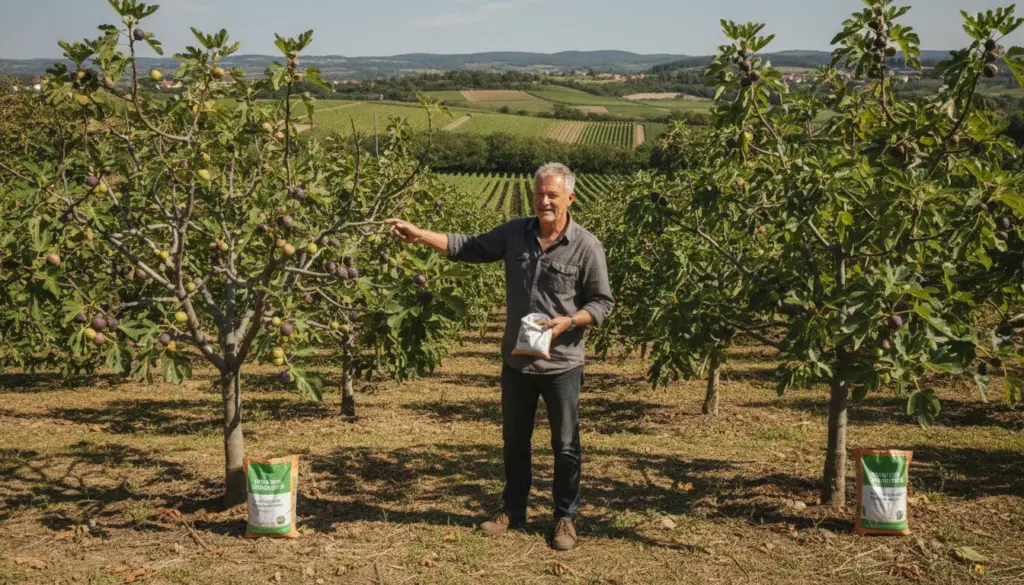
Sunlight and regular watering are just the foundation for a thriving fig tree. The real secret to a heavy harvest of sweet fruits lies in applying the correct nutrients at precisely the right moment. Unfortunately, many gardening enthusiasts unknowingly use the wrong products, causing more harm than good. A professional fig farm owner from Vienna recently shared expert insights on properly nourishing both potted and garden-planted figs, while also highlighting a widespread feeding mistake you should definitely avoid.
Timing and Frequency for Optimal Growth
Mediterranean beauties like the fig tree demand the bulk of their nutrition right in the middle of their active growing phase. For the best results, horticultural best practices suggest treating your plant to an organic slow-release fertilizer exactly twice a year. Aim for the first application in May, followed by a second round in July.
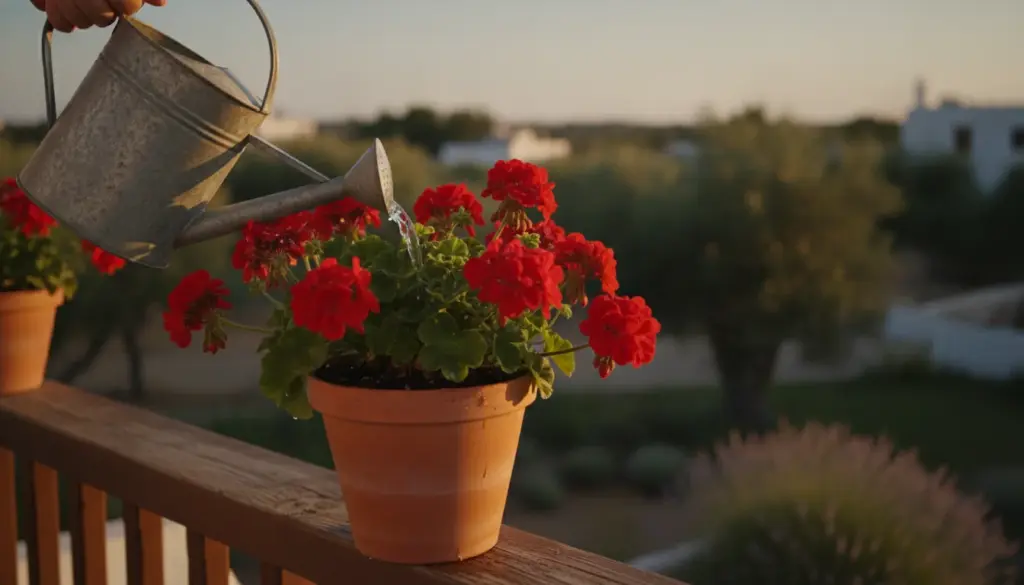
During these vital months, soil microorganisms gradually break down the nutrients, giving the tree sustained energy for robust shoot development and heavy fruiting. If you are cultivating your plant in a container, you have another excellent option. You can simply blend a liquid fertilizer into your regular watering routine every two weeks from May straight through to August.
The Most Common Mistake: Too Much Nitrogen
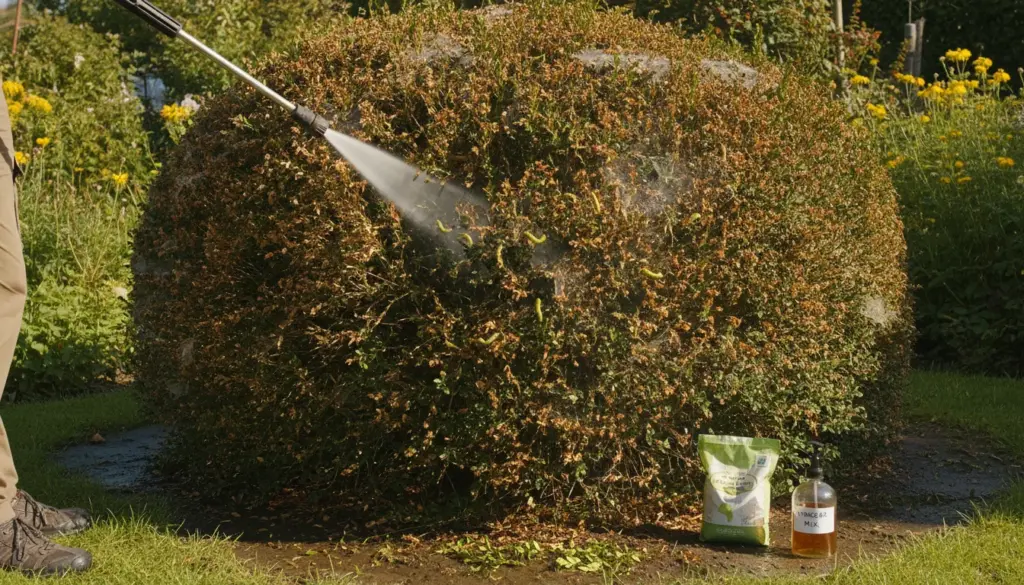
It is surprisingly common for hobbyists to grab a mineral fertilizer packed with nitrogen, but this is a serious misstep. Fig trees are exceptionally sensitive to high nitrogen levels. When a fig receives an excess of this specific element, it triggers explosive vegetative growth, resulting in plant cells that are unnaturally large and weak. This undesirable soft growth acts as a magnet for various pests and diseases, while simultaneously destroying the tree’s natural ability to withstand freezing temperatures.
How to Recognize Over-Fertilization
How can you tell if your plant has had too much nitrogen? Keep a close eye on the foliage and branches. If you spot excessively long, thin, and bright green shoots, you have likely overdone it. Conversely, if you notice the leaf edges turning yellow or brown, it is a classic indicator of general nutrient overload, signaling that you need to drastically cut back on your feeding schedule. Ignoring these warning signs usually results in a disappointing lack of fruit development.
Why Organic Feed is the Superior Choice
Whether your plant lives permanently in a spacious planter on the patio or thrives directly in the garden soil, an organic approach is undeniably the safest route. A dedicated fruit and berry fertilizer formulated with elevated levels of phosphorus and potassium works wonders. This specific elemental balance encourages prolific flowering and helps the woody stems mature properly.
Do not be alarmed if you spot a faint web of fungal mycelium forming on the topsoil shortly after application. This is completely normal and simply a healthy sign that natural soil biology is actively breaking down the organic matter.
Tailoring Your Approach: Potted vs. Planted Figs
Different environments require slightly adjusted care strategies. Here is how to handle your specific setup:
- Container-grown figs: The exact dosage always depends on the volume of your pot and the specific manufacturer guidelines. Crucially, never feed a completely parched plant; always water the root ball thoroughly beforehand. Additionally, if you have recently upgraded the pot size, you must wait a full six to eight weeks before introducing any extra food.
- Garden-planted figs: These trees appreciate a generous dose of nutrients right at the time of planting. For mature, established trees in the yard, spreading a three-centimeter-thick blanket of rich compost around the base in early spring works beautifully. If compost isn’t available, gently raking a balanced organic granular feed into the top layer of the soil is equally effective.
Boosting Winter Resilience
Preparing your tree for the colder months actually starts at the end of summer. To maximize the frost hardiness of cold-tolerant fig varieties, it is vital to taper off nitrogen entirely and ensure a steady supply of potassium as autumn approaches. This dietary shift forces the young, green stems to harden and mature into sturdy wood, ensuring they can brave harsh winter conditions without sustaining severe dieback.
Quick Reference Feeding Schedule
Keeping track of what to apply and when doesn’t have to be complicated. Here is a straightforward summary to keep your fig tree on track:
- Potted Figs (Option 1): Apply an organic slow-release fruit fertilizer twice a year, once in May and again in July.
- Potted Figs (Option 2): Use an organic liquid feed every 14 days, spanning from May through August.
- Garden Figs: Provide compost or organic slow-release feed in May, followed by a second slow-release application in July.