Mastering Potted Fig Tree Hydration
Cultivating a thriving fig tree requires more than just abundant sunshine; proper hydration is the true secret to an impressive harvest. Many home gardeners mistakenly assume that these Mediterranean beauties prefer bone-dry conditions. Falling for this common myth can easily ruin your chances of enjoying homegrown fruit. The specific moisture requirements actually vary significantly depending on whether your specimen is planted in a container or directly in the ground. Harald Thiesz, an experienced cultivator at an organic fig farm in Vienna, shares his professional insights on the delicate balance of hydration. He points out that while a watering can is essential during the warmer months, overdoing it can quickly destroy your hopes of harvesting sweet, ripe figs.
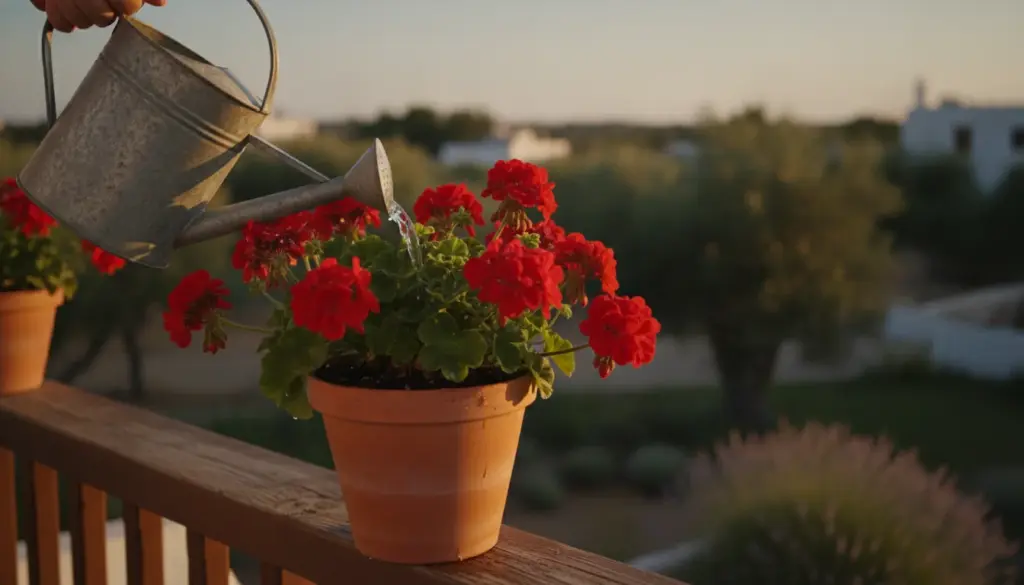
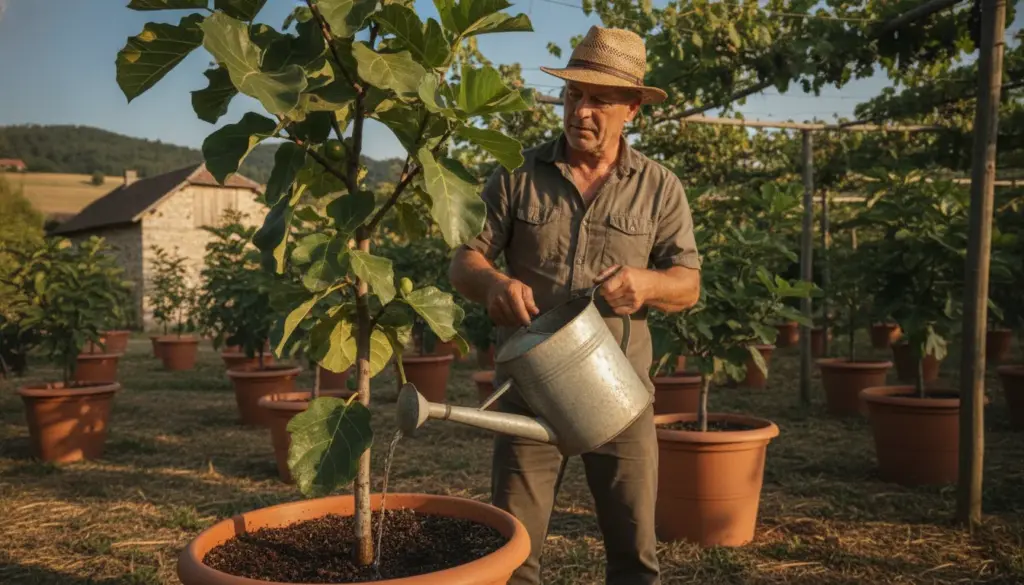
Maintaining a potted fig tree demands a careful touch, especially when summer temperatures soar. During intense heatwaves and the crucial fruit-ripening phase, these container-grown plants require substantial and consistent moisture. However, the expert notes that their thirst decreases noticeably during milder summer stretches.
To get this balance exactly right, horticultural specialists rely on the ten percent excess moisture rule. For instance, if you pour one liter of water into the soil, exactly one hundred milliliters should seep out of the drainage holes at the bottom.
This targeted overflow method not only ensures the root ball is thoroughly saturated but also effectively flushes out accumulated salts, such as sodium and sulfate compounds. Morning hydration is highly recommended, and installing a simple drip irrigation system can make this daily chore effortless.
As the seasons shift into spring and autumn, you must scale back your watering frequency and never leave standing moisture in the drainage saucer. When transitioning the plant to its winter dormancy spot, the soil must remain predominantly dry. In an unheated greenhouse environment, deciduous specimens typically only need a drink every three to five weeks.
Essential Ground Rules for Fig Hydration
- Embrace hard water: These robust plants actually thrive on alkaline, calcium-rich hydration, making standard tap water perfectly suitable for daily use.
- Monitor foliage closely: Inspect your greenery on a weekly basis throughout the summer months. If you notice drooping leaves, provide moisture immediately to prevent stress.
- Prevent root rot: Absolute avoidance of waterlogging is critical. Always empty the drainage tray promptly and ensure garden beds possess excellent natural drainage capabilities.
Hydrating Garden-Planted Figs: Why Less is More
Once your fig tree is permanently established in the backyard, your entire care strategy must shift. During arid summer months, the most effective approach is deep, infrequent interval watering.
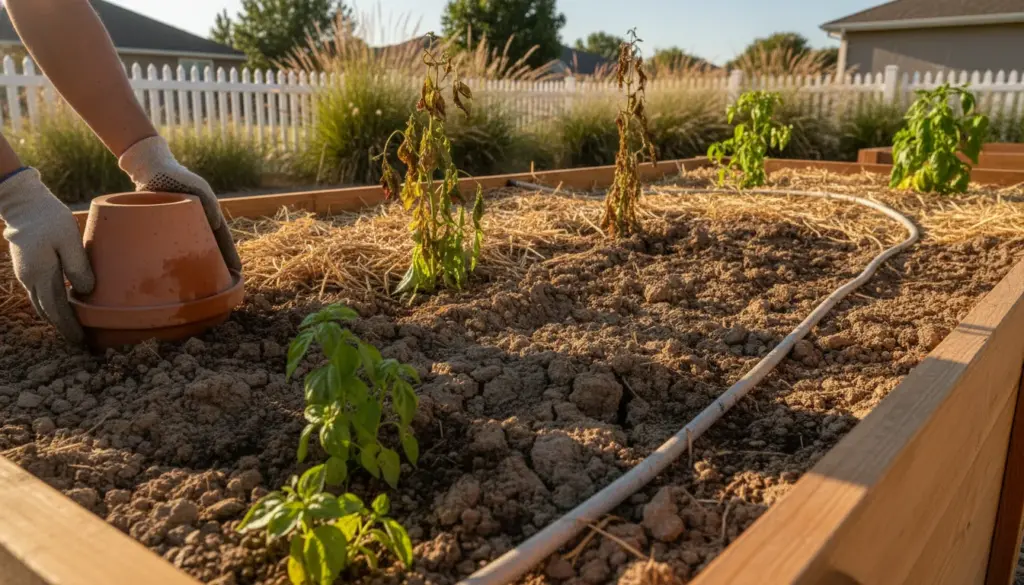
Throughout the first two years after planting, it is vital to intentionally expose the sapling to longer dry spells. This controlled stress forces the plant to send its root system deeper into the earth in search of sustenance. For sandy terrains, a thorough soaking once or twice a week suffices, whereas moisture-retaining clay soils only require attention every one to two weeks. By making the plant forage for its own hydration in deeper soil layers, you cultivate a much more resilient tree.
Nature can also do the heavy lifting; if heavy rainfall exceeds 15 liters per square meter, you can safely skip your manual watering duties. Regardless of your soil type, creating exceptional drainage using coarse gravel or crushed stone is paramount to prevent water from pooling. If puddles remain long after a rainstorm, or if the soil is heavily compacted clay, the roots will be starved of oxygen, inevitably leading to the plant’s demise.
Quick Reference: Container vs. Garden Care
For Young Saplings (Years 1-2): Container plants need consistent, heavy watering during hot spells and fruiting. Garden-planted trees in sandy soil require hydration once or twice weekly, while those in clay soil need a drink every one to two weeks.
For Mature Trees: Potted specimens still demand ample moisture during peak heat and fruit production. In contrast, outdoor established trees only need rare but deep soakings during prolonged droughts or when initial fruit swelling begins.
Seasonal Adjustments: During winter droughts, test the soil with your finger and water potted figs roughly every three weeks. Garden trees might need a generous watering on mild winter days to prevent frost dehydration. In spring and autumn, keep potted plants moderately moist without ever leaving excess water in the tray.
Meet the Gardening Enthusiast
As a dedicated home gardener, botanical expert Ines Alms has spent countless years exploring everything related to natural landscaping, balcony cultivation, and indoor greenery. She regularly shares her most successful botanical discoveries and hands-on expertise with fellow plant lovers.
Her passion covers everything that makes a gardener’s heart beat faster—from preserving heirloom vegetable varieties and exploring unique garden bed designs to nurturing pollinator-friendly blossoms. She is always eager to inspire others to create their own vibrant backyard paradises and continuously provides practical advice for cultivating thriving outdoor spaces.
Essential Hydration During Peak Heat and Fruit Production
Whether your specimen resides in a decorative patio tub or a spacious garden bed, its moisture requirements will skyrocket during two distinct periods. These critical phases occur when intense summer heatwaves strike and the moment those coveted fruits finally begin their ripening process.
During these demanding windows, the plant exhausts massive amounts of energy and liquid to plump up those large, delicious figs. You must adapt your routine accordingly during these peak times. Provide the tree with generous amounts of hydration, while remaining ever-vigilant to ensure the surrounding soil never becomes dangerously waterlogged.