The Hidden Subterranean Struggle
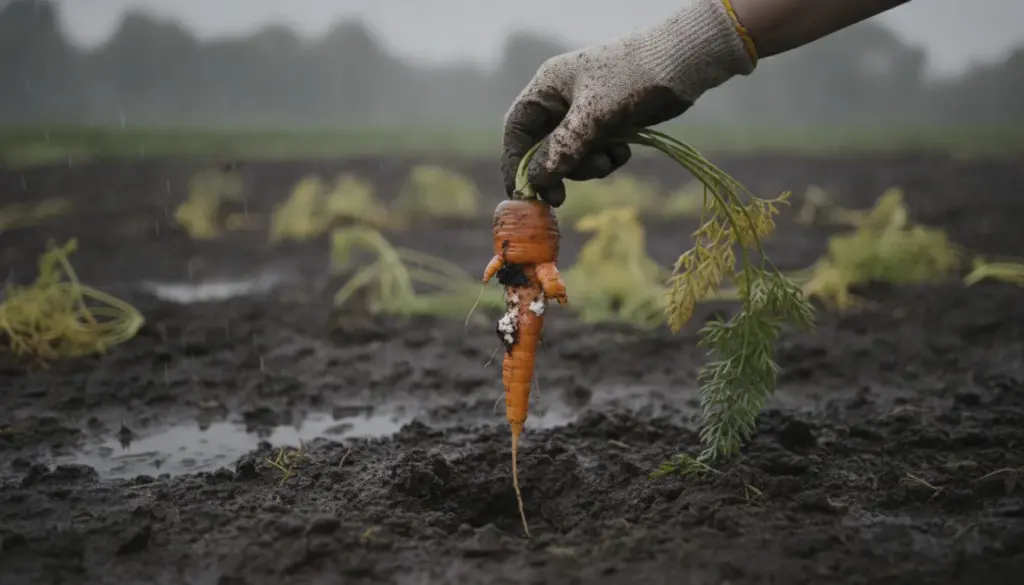
The sky remains a flat gray, rain has been drumming against the windows for days, and your vegetable garden seems entirely stalled. You navigate between the growing beds, boots sinking heavily into the muck, only to find a faded, drooping carpet of green where vibrant carrot tops thrived just a month ago. Gingerly pulling a stalk, you don’t unearth a crisp orange taproot, but rather a ragged, partially decayed lump. The earth carries a heavy, almost sour scent.
You instantly sense the reality: something is occurring beneath the soil surface that feels completely beyond your control. The downpours are relentless. The changes to your carrots are equally non-stop, though perhaps not in the way you might expect.
What Persistent Rainfall Does Deep Below Ground
Anyone who has ever cultivated carrots understands their deceptive resilience. Those slender, orange taproots can muscle their way through compacted dirt and continue thriving even after a remarkably dry week. However, continuous rainfall completely upends that dynamic.
Gradually, the soil transforms from a well-aerated haven into a waterlogged sponge. Oxygen levels plummet, soil pores become flooded, and the plants find themselves literally trapped. They struggle to respire, their growth rate crawls, and they become highly vulnerable in the exact environment where they usually build their strength: beneath the surface.
Following an exceptionally wet summer, a local gardening association noted crop failures exceeding 40% in their carrot plots. This devastation wasn’t caused by slugs or arid conditions, but rather by root rot triggered by weeks of relentless precipitation. One grower recalled how her patch of perfectly germinated seedlings deteriorated into a patchwork of barren gaps and collapsing foliage within just three weeks. The surviving carrots turned out to be deformed, forked, or already turning mushy on the inside. The most frustrating part was that everything initially looked fine from above. The true devastation was concealed beneath the waterline.
The Chemical Shift and Plant Stress
Unending rain delivers a severe chemical blow deep within the earth. When the delicate equilibrium of air and moisture is destroyed, a miniature subterranean swamp emerges. Beneficial, oxygen-dependent bacteria struggle to survive, while fungi and rot-inducing pathogens begin to thrive unchecked. Carrots react to this hostile environment by shedding their delicate fine root hairs, which are absolutely critical for absorbing moisture and nutrients.
As a result, plants surrounded by an abundance of moisture ironically go into severe stress. The leafy green tops lose their luster and halt their development, while the taproot itself stays scrawny or starts to split open. Furthermore, the heavy downpours leach away vital nutrients, with nitrogen being particularly susceptible. This creates a bizarre but brutal reality: the crop is simultaneously drowning and starving.
How to Rescue Your Crop From the Muck
The most effective rescue mission doesn’t start with the vegetable itself, but rather with surface drainage. The moment you notice puddles lingering for more than twenty-four hours, it is crucial to start digging drainage channels. Using a hoe or spade, you can easily carve a shallow trench alongside your growing area to redirect excess water toward a lower-lying section of your property.
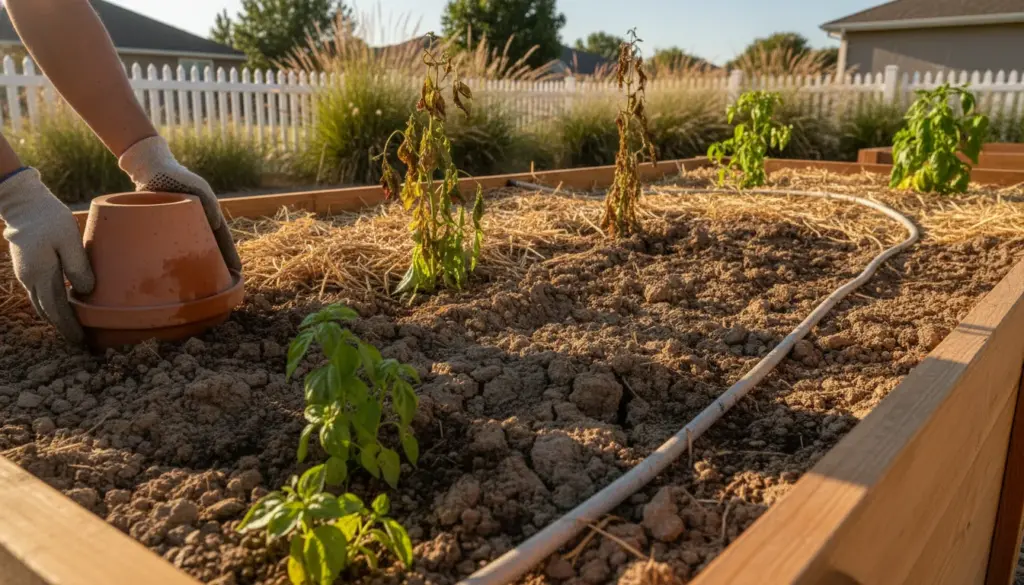
Additionally, always planting on slightly elevated ridges—raised beds of about 10 to 15 centimeters—makes a massive difference. It might sound insignificant, but that minor elevation shift often dictates whether a plant drowns or manages to stay adequately dry. In a historically soggy summer, elevation and airflow become your greatest allies.
Many gardeners instinctively react to wet spells by trying to over-manage their plots: applying extra fertilizer, aggressively loosening the soil, or constantly pacing through the patch. This usually backfires. Walking on saturated ground heavily compacts the earth, squeezing out whatever precious air remains. When that happens, your crop stands absolutely no chance.
Treat your waterlogged soil with extreme gentleness. Operate from the perimeter, lay down wooden planks to distribute your weight, and postpone any heavy digging until the top layer regains a crumbly texture. While monitoring soil structure is essential, nobody actually patrols their garden daily with a soil auger.
An experienced organic farmer once brilliantly summarized the situation: “Carrots enjoy a good drink, but they despise sitting in a bathtub without a drain.” That imagery is perfectly accurate. Moisture is fine; stagnant pools are the ultimate adversary.
A Practical Emergency Plan
To mitigate potential damage, keeping a basic contingency plan ready is incredibly smart:
- Staggered Timelines: Opt for both early and late sowing dates, ensuring your entire harvest doesn’t fall victim to a single rainy month.
- Boost Aeration: Consistently incorporate organic matter, like well-rotted compost, to encourage a highly aerated soil structure.
- Avoid Fresh Manure: Never apply unaged compost or manure to these specific beds, as it dramatically increases the risk of rot and taproot deformities.
- Impact Protection: During extreme downpours, temporarily shield the area with a lightweight, permeable fabric to soften the physical impact of driving rain.
- Targeted Recovery: Once a wet spell passes, apply a highly targeted, mild, and easily absorbable liquid feed to replenish lost nutrients.
Adapting to Wetter Summers
Prolonged rainy stretches are rapidly becoming the norm rather than an exception in our changing climate. They now quietly dictate the backdrop of every successful cultivation strategy. If you want to keep harvesting successfully, you must move beyond merely repairing damage and boldly embrace different tactics.
This evolution starts with selecting the right cultivars. Specific varieties are genetically better equipped to handle soggy conditions and are far less prone to splitting. Often, these are the shorter, stump-rooted types that don’t plunge as deeply into the saturated earth layers. They might look slightly less photogenic, but they offer significantly higher harvest security during a drenched August.
We have all experienced that familiar feeling of promising ourselves we will do things differently next season, only to sow the exact same seeds in the exact same manner come March. The real trick is to successfully implement just one minor adjustment. Try cultivating on a ridge. Test a fresh location with superior drainage. Dedicate just one test row to a completely new variety.
The true devastation of precipitation often remains invisible until harvest time, months down the line. This delayed reaction is equal parts frustrating and educational. Those who take the time to jot down observations—even just a few quick notes in a journal—will begin to spot undeniable patterns between rainfall, earth quality, and crop health. That is where genuine mastery begins.
Persistent rain also challenges your patience as a gardener. Carefully laid plans get delayed, schedules fall apart, and nature sometimes feels entirely uncooperative. Yet, hidden within those heavy, damp days is a quiet invitation to simply observe rather than force action. Watch where the moisture accumulates. Note the spots where the plants still emerge looking pristine. Pay attention to where the foliage stays vibrant even after a week of gloomy skies. These areas offer invaluable data for your next growing season. You don’t need to fix everything right this second. Sometimes, a failed crop yields crucial wisdom rather than a physical harvest.
Frequently Asked Questions
- Should I attempt a harvest when the ground is completely soaked? Whenever possible, wait until the very top layer has slightly dried out; otherwise, you risk severely damaging both the delicate soil structure and the vegetables themselves.
- Are raised planter boxes strictly necessary for this crop? Not strictly, but in regions prone to heavy rainfall, they provide a massive advantage because excess moisture drains rapidly, keeping the earth wonderfully aerated.
- Can I mix in sand to dry out the plot? Adding a small amount of coarse horticultural sand can improve structure, but without combining it with rich organic matter, you quickly create a dense, impenetrable crust that taproots struggle to pierce.
- How can I spot the early stages of root rot? Keep a close eye out for suddenly drooping leaves, strange discoloration near the base of the stem, and a distinctly spongy or darkened texture when you pull a test plant from the earth.
- Does adding mulch help during endless rain? Absolutely, a very light layer of organic mulch shields the surface structure beautifully, but avoid piling it too thickly near young, tender stems to prevent unwanted fungal growth.