Coffee grounds are highly valued as an organic fertilizer in the garden. Tomatoes, in particular, thrive on this unique blend of nutrients. Here is exactly what you need to keep in mind when using it to boost your crop.
If you want your tomato plants to grow vigorously and produce plenty of fruit, you need to feed these hungry plants regularly. For many experienced gardeners, leftover coffee serves as the perfect organic growth booster. It makes perfect sense, as this everyday morning brew is packed with essential elements like potassium, nitrogen, phosphorus, and sulfur. These vital nutrients promote healthy, robust development in your vegetable patch.
As a bonus, the dark powder enhances the soil structure, allowing the earth to retain moisture more effectively and saving you from constantly watering. But what is the best way to apply this household staple to your garden beds or patio pots, and what is the ideal feeding schedule?
How to feed your tomato plants with leftover coffee
It does not matter whether you brew your morning cup using standard filters or convenient pods. Before you can use the spent grounds as plant food, they must be thoroughly dried to prevent any mold formation. Simply spread the damp grounds across a baking sheet, an old towel, or a fine mesh sieve, and leave them in a warm, sunny spot.
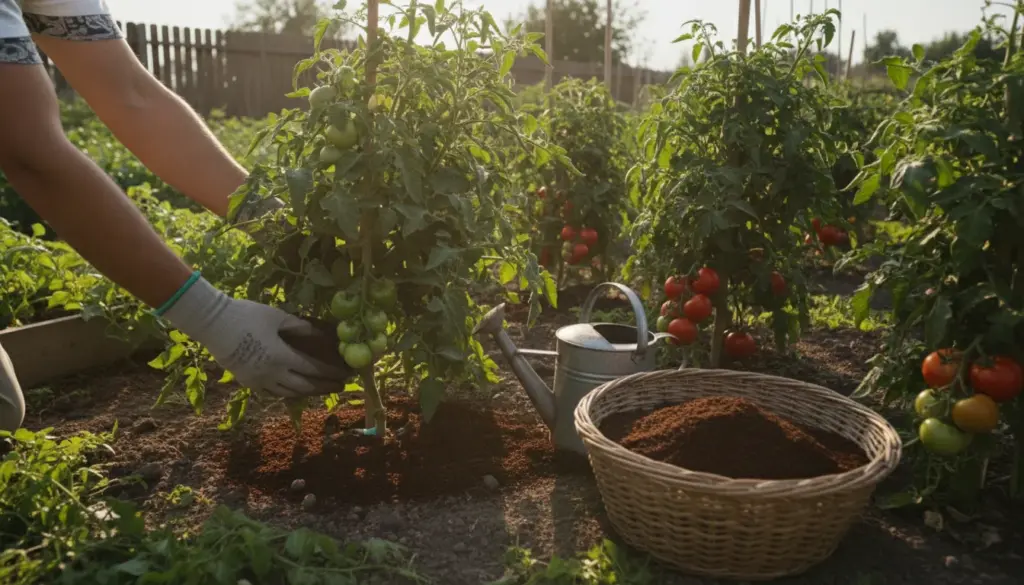
Once the material is completely dry, sprinkle it evenly around the base of your tomato stems and gently mix it into the topsoil. Finish by giving the area a good watering, and you are all set. A standard rule of thumb is to use roughly 50 grams of dried coffee per plant. However, if you are growing larger varieties like beefsteak or slicing tomatoes, you can be slightly more generous to support their heavy feeding habits. Got some extra powder lying around? Your hydrangeas will also happily soak up this nutrient-rich treat.
Avoid feeding young seedlings
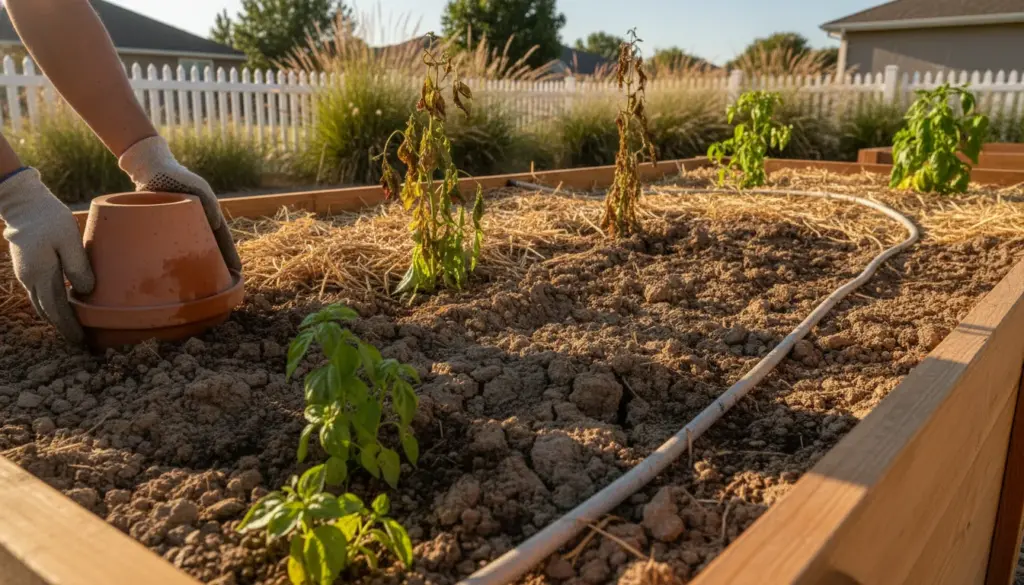
While mature tomato plants absolutely love this caffeinated boost, you should keep it far away from delicate young seedlings. The nutrient concentration is simply too intense for tiny, developing roots to handle. It is always safer to skip the fertilizer entirely during the early growth stages. Keep in mind that certain other garden plants are also sensitive to this type of feeding.
The ideal fertilizing schedule for your vegetable patch
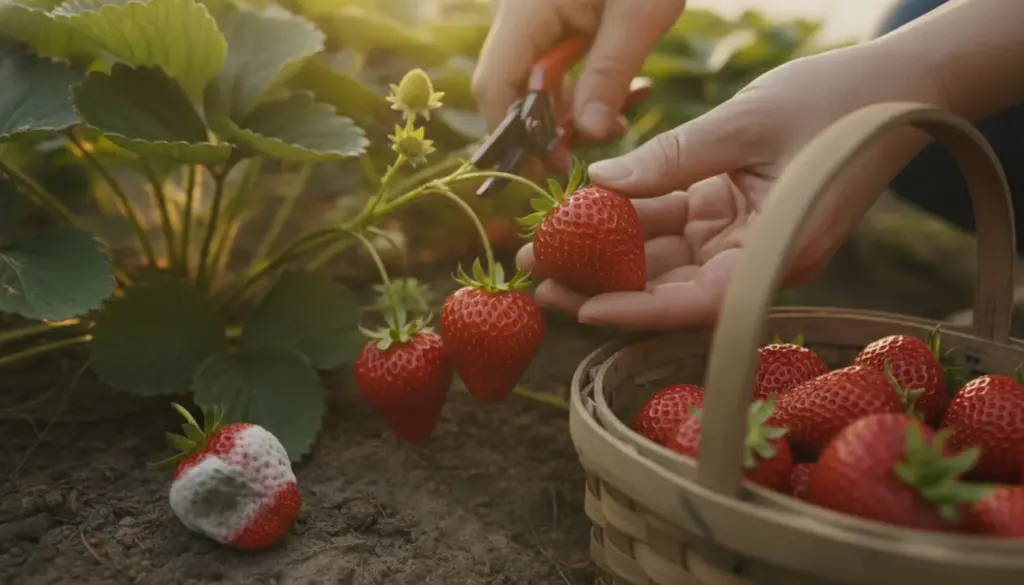
As a general guideline, you can apply this homemade booster about once a month. When the plant enters its active fruiting phase, you can safely increase the frequency to every three weeks. During this critical period, the plant demands an enormous amount of energy to swell and ripen those delicious fruits.
To ensure your final yield is both massive and intensely flavorful, remember that regular pruning and pinching out the side shoots is just as important as proper feeding.
More household alternatives for hungry tomatoes
Beyond your morning brew, a few other common kitchen scraps work wonderfully as natural plant food:
- Baker’s yeast: Take a standard cube of fresh yeast, or a single packet of the dry version, and dissolve it completely in ten liters of lukewarm water. Let the mixture sit undisturbed for an hour. You can water your crop with this nutrient-dense liquid every two to three weeks, just be sure to give it a good stir beforehand.
- Crushed eggshells: Grab the empty shells of two eggs and grind them down using a mortar and pestle until you achieve a fine powder. Stir this calcium-rich dust into one liter of water and let it steep for about 12 hours. Finally, strain the liquid and use it to hydrate your thirsty crops.
- Banana peels: Start by chopping the skins of organic, untreated bananas into tiny fragments. Spread them out on a dry cloth until all the moisture evaporates. Just like the coffee method, you can gently rake these dried pieces directly into the soil around the root zone. Various other garden favorites will also appreciate this potassium-packed snack.