With scorching summers becoming the norm and rainfall turning increasingly erratic, traditional landscaping methods are rapidly losing their charm. Navigating these shifting climate patterns requires a thoughtful approach to outdoor spaces, transforming vulnerable yards into resilient havens through proven botanical strategies.
Future-Proofing Beyond Simple Heat Resistance
When attempting to climate-proof a yard, the immediate instinct is often to solely address water scarcity. However, environmental specialists point out that this narrow focus overlooks the broader picture of changing weather dynamics.
True ecological adaptation requires preparing for an array of extreme conditions, including sudden deluges and fierce storms. A truly resilient outdoor space must juggle multiple demanding roles simultaneously to survive.
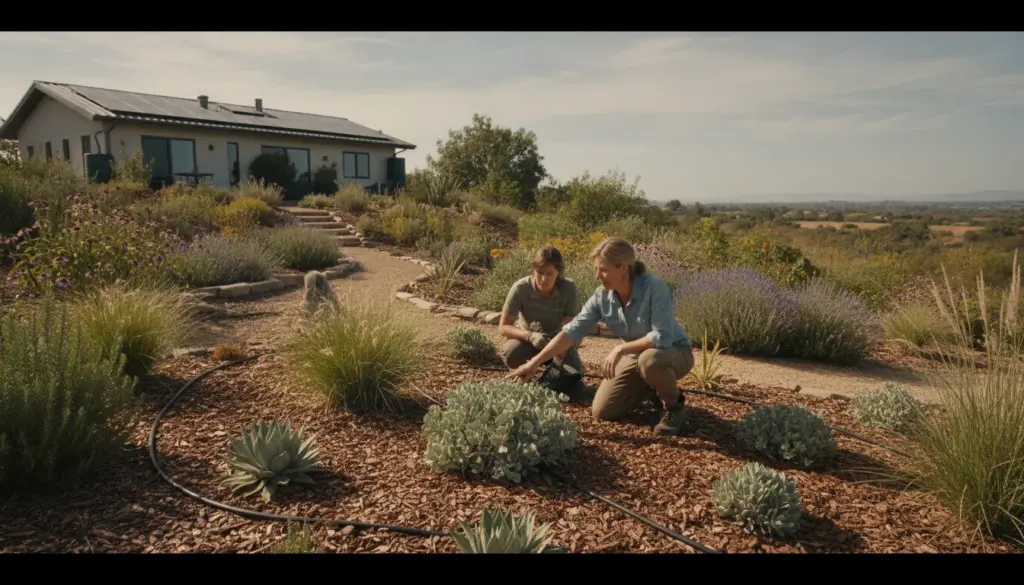
This means designing landscapes that thrive on minimal irrigation while effectively buffering intense heat. Furthermore, the ground must act like a sponge to absorb torrential downpours rather than allowing precious rainwater to wash away over heavily paved surfaces or barren gravel plots.
Reevaluating Thirsty Garden Classics
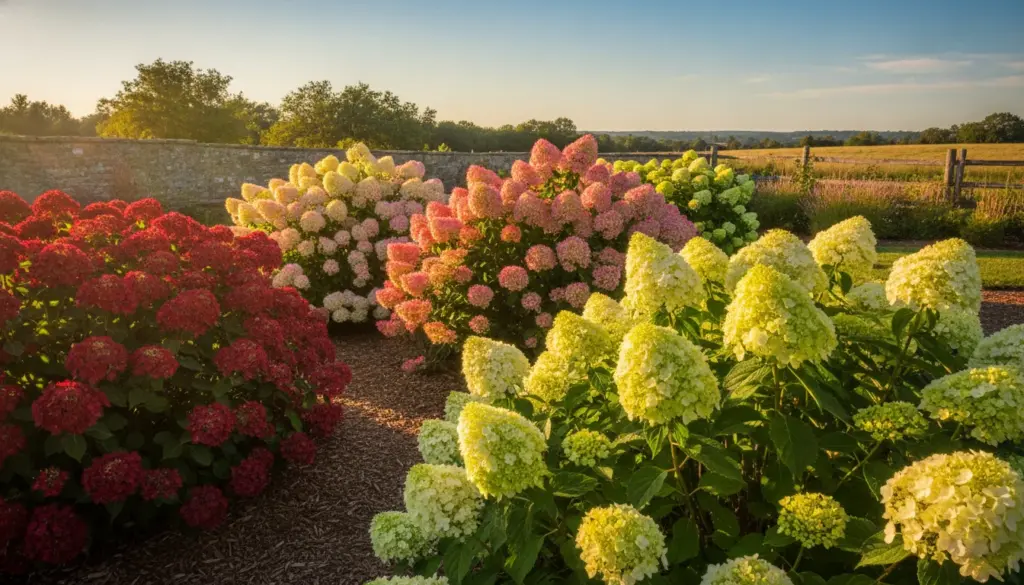
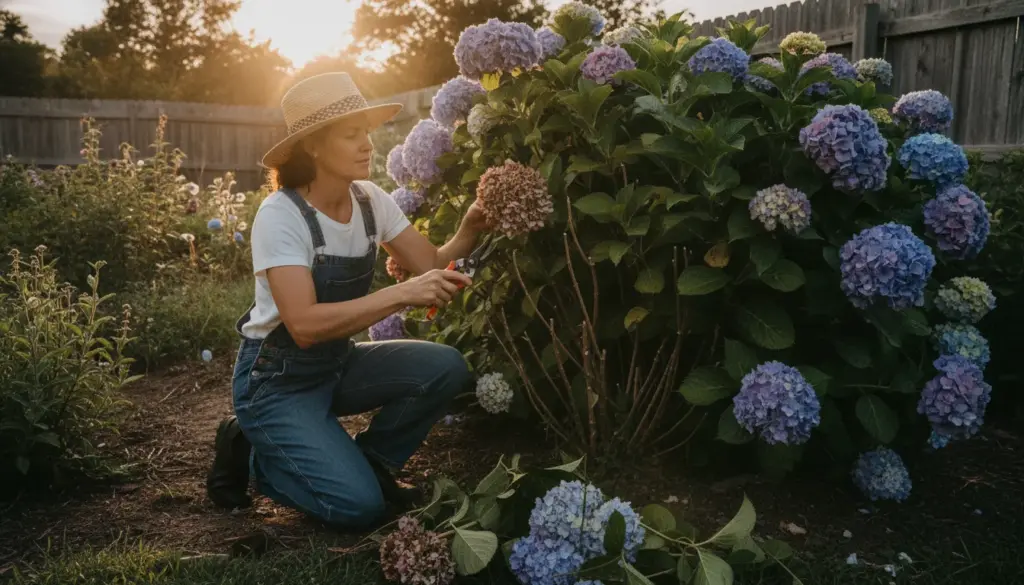
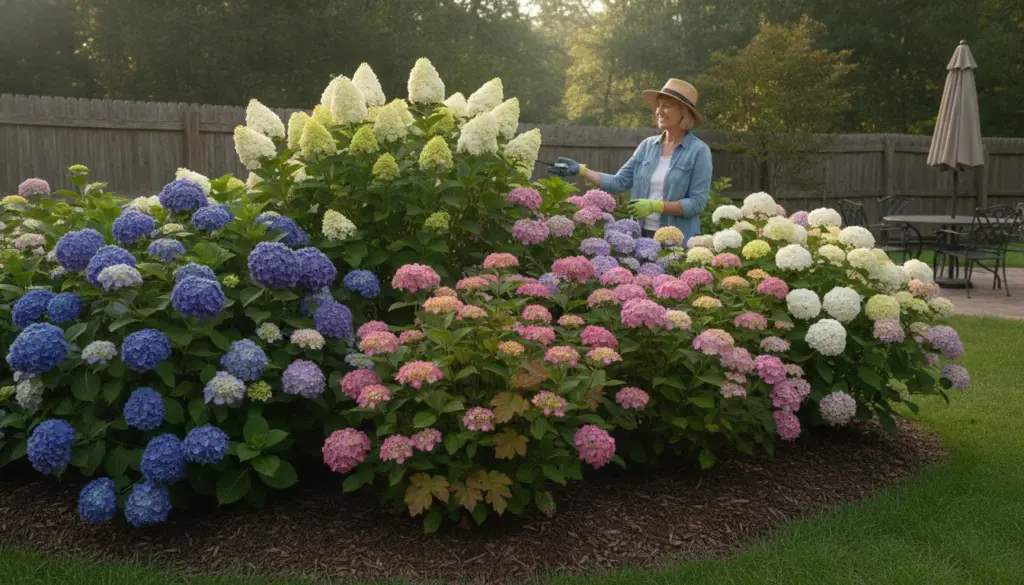
Certain beloved botanicals only shine when they receive massive, uninterrupted supplies of moisture. Conservation experts strongly advise moving away from these high-maintenance varieties, specifically pointing to demanding shrubs like hydrangeas.
During blistering heatwaves, these delicate plants practically demand daily watering. In an era of increasing water restrictions, maintaining such intense hydration schedules is simply no longer sustainable or practical.
The most common problem areas in traditional yard designs include:
- Expansive manicured lawns that scorch quickly and guzzle enormous amounts of water.
- Moisture-loving ornamental shrubs and large-leaved perennials planted in direct, baking sunlight.
- Extensively paved pathways, driveways, and patios that force rainwater to run off rather than soaking into the earth.
Selecting Flora That Embraces the Heat
Fortunately, adapting to drier conditions doesn’t mean sacrificing beauty. A wide array of visually stunning species can weather prolonged dry spells with ease while simultaneously providing crucial nourishment for local pollinators.
To build a robust floral ecosystem, experts highly recommend incorporating these drought-tolerant champions:
- Wild oregano – An incredibly sturdy sun-lover that acts as a magnet for countless beneficial insects.
- Meadow clary – The perfect addition to cottage-style plots, offering a long blooming period with minimal upkeep requirements.
- Viper’s bugloss – Thrives in nutrient-poor, bone-dry soils while delivering abundant nectar for foraging bees.
By gradually introducing these rugged perennials into existing flower beds or along sunny fence lines, you can effortlessly phase out the more vulnerable, thirsty species in your collection over time.
Transforming Your Yard Into a Natural Air Conditioner
A climate-adapted property should genuinely feel noticeably cooler during the peak of summer compared to a conventional, heavily paved lot. Achieving this refreshing microclimate relies heavily on maximizing lush greenery and casting ample shade.
Experts warn that popular modern trends like sterile gravel gardens completely fail in this regard, as they trap and radiate intense thermal energy. Instead of relying on heat-absorbing stones, consider implementing these cooling strategies:
- Planting native hedgerows featuring species like cornelian cherry, elderberry, or blackthorn. These living barriers block drying winds, cast generous shadows, and shield the topsoil from rapid evaporation.
- Sowing wildflower meadows or herbal groundcovers as a resilient alternative to closely cropped turf. These untamed patches retain ground moisture significantly longer and shrug off intense sun.
- Establishing diverse perennial borders using predominantly indigenous varieties. A wider biodiversity ensures the overall ecosystem remains stable even under severe environmental stress.
- Training climbing vines up masonry and exterior walls to actively shade facades and naturally lower the temperature around the home.
Wherever feasible, hardscaping should be minimized. Opt for permeable walkways, allow greenery to sprout between paving stones, and create sunken beds that capture and store runoff. This proactive approach ensures moisture remains deep in the soil for plants to access during extended dry periods, rather than disappearing down the municipal storm drain.
A Gradual Shift Toward Lasting Resilience
Upgrading your outdoor space to handle tomorrow’s weather extremes doesn’t require an overnight total overhaul. The most effective strategy is to tackle just one or two small projects each season.
You might start by converting a small patch of struggling grass into a vibrant meadow, swapping out a single thirsty shrub, or lifting a few paving slabs to plant resilient groundcovers. Step by step, these incremental changes cultivate a robust sanctuary that requires far less maintenance, stands strong against severe weather, and fosters a thriving habitat for humans, flora, and wildlife alike.