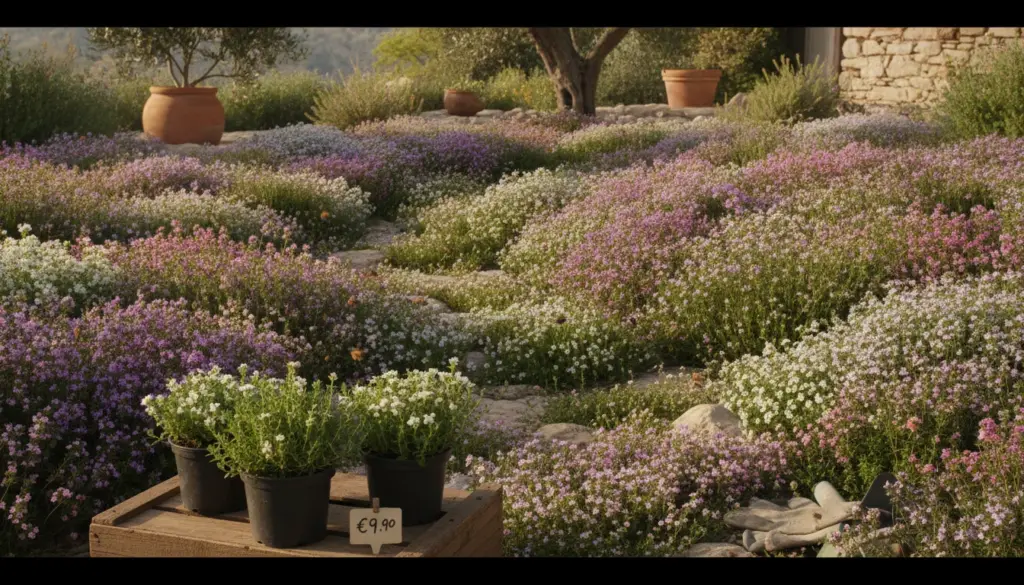
Thyme isn’t just a staple for the kitchen; it is an absolute powerhouse for your landscape. It brings vibrant color, irresistible fragrance, and a swarm of friendly pollinators to your yard. Right now, there is a highly affordable way to upgrade your outdoor space. A stunning trio of thyme plants is currently available for a mere €9.90, promising to transform any dull garden patch into a Mediterranean oasis.
If you are tired of battling stubborn weeds or looking at bare patches in your rockery, this aromatic herb is your perfect solution. Creeping thyme spreads rapidly to form a dense, living carpet that naturally suppresses unwanted growth. It thrives as a resilient edging plant or a lush filler for those awkward landscaping corners you just do not know what to do with.
Why Thyme Makes the Ultimate Ground Cover
Beyond its visual appeal, this hardy plant is incredibly low-maintenance. It easily tolerates scorching summer heat and prolonged dry spells, while also surviving harsh winter freezes. As a wonderful bonus for local ecosystems, the blooming flowers act as a powerful magnet for bees and bumblebees, providing them with essential nectar during the warmer months.
For those seeking eye-catching floral displays, the BALDUR-Garten Colours mix delivers an impressive visual punch. This budget-friendly starter kit includes three distinct, highly attractive varieties that will quickly elevate your curb appeal.
Three Stunning Varieties in One Affordable Mix
Whether you want to brighten up a pathway or add texture to a floral bed, this specific set has you covered. The collection includes:
- Thymus aureus (Golden Thyme): Features striking golden-yellow foliage that instantly brightens darker garden beds, complemented by delicate light pink blossoms.
- Thymus serpyllum (Creeping Thyme): Known for its exceptional durability, this walkable variety is ideal for planting between stepping stones or along joints, erupting in beautiful purple and rose hues.
- Thymus praecox (Alpine Thyme): Boasts rich, deep green leaves that take on a charming reddish tint during the winter season, alongside exceptionally lush pink blooms.
Delivered in practical 9×9 cm pots, these young plants quickly merge to create a seamless floral rug. You will not have to wait long for results, either. Even in their very first year in the ground, these perennials bloom abundantly from May all the way through September, releasing their signature intense aroma into the breeze.
Expert Tips for Planting and Thriving Thyme
To ensure your new botanical additions establish themselves successfully, a little preparation goes a long way. Follow these straightforward steps for optimal growth:
- Initial Hydration: Carefully remove the plants from their packaging. If the root balls feel dry to the touch, give them a thorough soak. Gently tease the roots apart with your fingers to encourage outward growth.
- Perfect Placement: Choose a spot that receives full sun to partial shade. Remember, the more sunlight the leaves absorb, the stronger their enchanting fragrance will be.
- Soil Conditions: Thyme strongly prefers loose, nutrient-poor, and well-draining earth. If you have heavy clay soil, mix in some sand or gravel to prevent deadly waterlogging.
- Spacing: For a tightly woven living carpet, plant about four to five individual pots per square meter.
- Timing: You can safely put them in the ground anytime from early spring until autumn, provided the soil is free of frost.
Ongoing Care Requirements
Pro Tip: These versatile herbs do not just belong on flat ground. They thrive spectacularly in herb spirals or nestled into the crevices of dry stone walls, cascading beautifully as they mature.
Once settled, these Mediterranean wonders demand very little from you. When it comes to watering, less is usually more. Allow the soil to dry slightly between waterings, but never let it become completely parched. While a light dose of fertilizer in the spring can give them a slight boost, it is generally unnecessary for this rugged species. Spring is also the ideal time to trim the foliage back slightly, which encourages a dense, bushy growth habit for the season ahead.