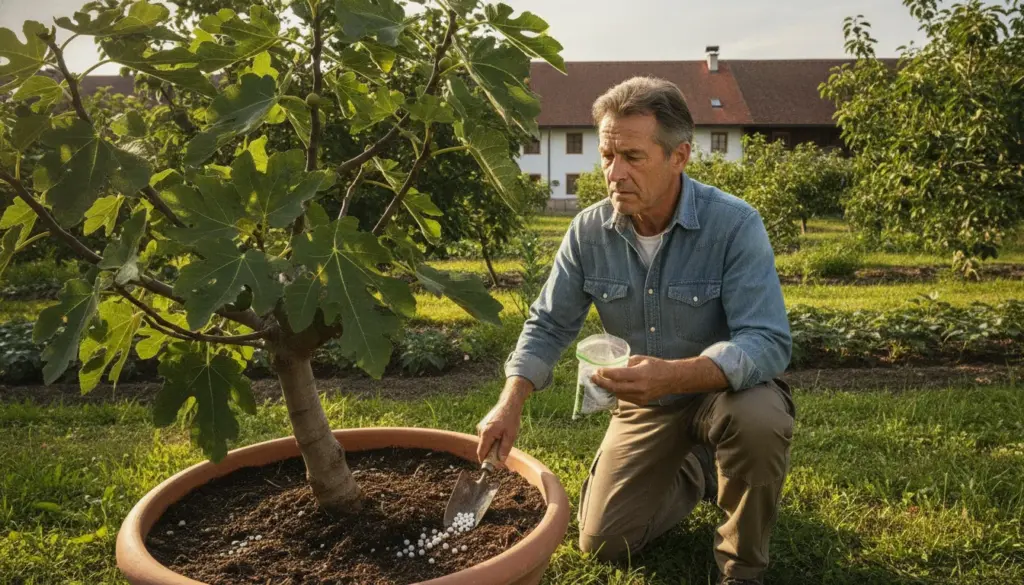
Ideal Timing: When and How Often to Feed Your Fig Tree
Providing plenty of sunlight and adequate hydration is only half the battle when caring for a happy fig tree. Getting a bountiful harvest of sweet fruits actually comes down to applying the correct nutrients at the perfect time. However, this requires a bit of tact, as overfeeding can easily do more harm than good.
A seasoned fig farm owner from Vienna shared some professional insights into the best feeding strategies for both container-grown and garden-planted specimens. Mediterranean beauties like the fig require their primary nutrient boosts during the active growing season. The specific care guideline is straightforward: ideally, you should nourish your tree twice a year using an organic slow-release fertilizer.
Apply the first round in May, followed by a second feeding in July. Throughout this period, soil microorganisms break down the nutrients, making them readily available to the plant. This process gives the tree the essential strength needed for robust shoot growth and abundant fruit production. As an alternative approach for container plants, you can utilize a liquid feed. Simply mix this into your regular watering routine every two weeks from May through August.
A Common Feeding Blunder: Overdoing the Nitrogen
Countless backyard gardeners instinctively reach for nitrogen-heavy mineral fertilizers, which is actually a significant misstep. Fig trees are notoriously sensitive to this specific nutrient.
When given an excessive nitrogen dose, the plant shifts entirely into vegetative growth, resulting in cellular structures that are unnaturally large and soft. This rapid, weak development leaves the tree highly susceptible to various pests and diseases. Furthermore, it drastically lowers the plant’s natural resistance to freezing temperatures.
How to Spot Nutrient Overload
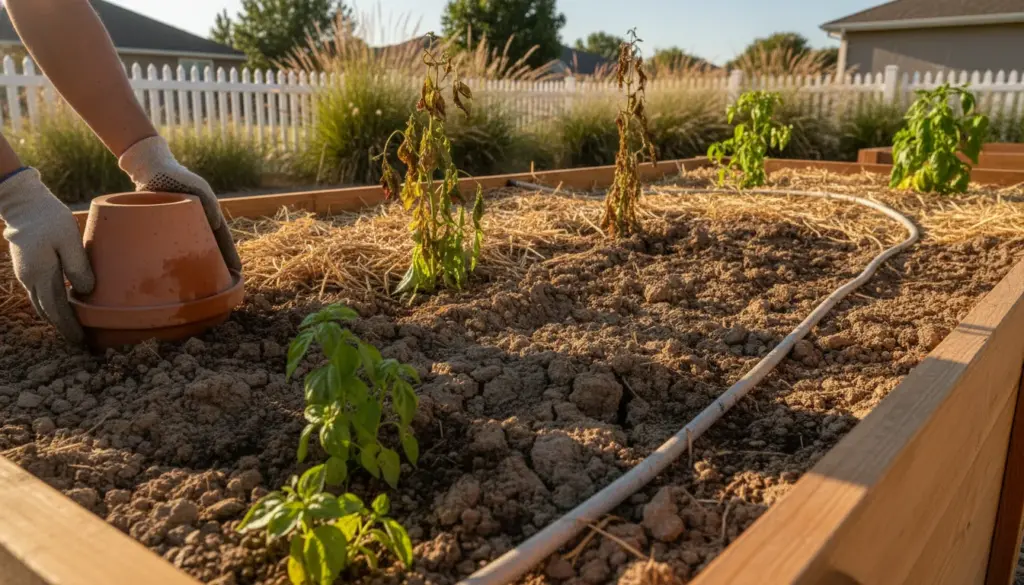
You can easily identify a nitrogen surplus by closely examining the foliage and branches. The sudden appearance of unusually long, thin, and overly green shoots is a classic warning sign. On the other hand, if you notice leaf edges turning yellow or brown, it usually points to general over-fertilization across the board. If these signals are ignored, you will likely see a disappointing drop in fruit development. Always reduce your feeding amounts if these symptoms appear.
Organic Solutions: The Ultimate Choice for Figs
Whether your tree is cultivated in a patio pot or planted directly in the landscape, organic fertilizer remains the absolute best option. An organic fruit and berry blend with elevated levels of phosphorus and potassium works perfectly.
This specific nutrient ratio actively encourages both generous fruiting and proper wood maturation. Do not be alarmed if you spot a fungal network forming on the surface of the soil shortly after application. This is a completely natural phenomenon and simply proves that the biological breakdown process is working beautifully.
Key Guidelines for Potted vs. Outdoor Fig Trees
- Container Growth: When feeding potted specimens, always adjust the dosage based on the container size and the specific manufacturer guidelines. It is absolutely crucial to thoroughly water a dry plant before introducing any nutrients. Additionally, if you have recently repotted the tree, wait a full six to eight weeks before beginning any feeding regimen.
- Outdoor Planting: Garden-planted figs should receive their first nutrient boost immediately upon planting. For older, well-established trees, applying a healthy layer of compost in the spring works wonders. Simply spread a layer about three centimeters thick directly over the root zone. Alternatively, you can scatter a complete organic fertilizer around the base and lightly work it into the topsoil.
Boosting Winter Hardiness Through Nutrition
To successfully improve the cold tolerance of your hardy fig tree, you must carefully manage its late-summer diet. Ensure the plant receives an adequate supply of potassium while simultaneously cutting back on all nitrogen inputs.
This strategic shift allows the new shoots to mature and harden off properly before the cold weather sets in. By adjusting the nutrient balance at the end of the season, your tree will be significantly better equipped to survive the harsh winter months entirely unscathed.
Quick Summary: Feeding Schedule and Choices
- Potted Plants: Use an organic slow-release fruit and berry fertilizer in May and July. Alternatively, apply organic liquid fertilizer every 14 days from May to August.
- Outdoor Plants: Apply compost or organic slow-release fruit and berry fertilizer in May. Follow up with another round of organic slow-release fertilizer in July.