When scorching temperatures hit, a simple garden water feature can literally save a backyard bird’s life. However, placing it in the wrong spot guarantees that your feathered neighbors will avoid it entirely.
During the hottest months, survival turns into a daily battle for local wildlife. As natural puddles evaporate and the earth bakes solid, foraging for sustenance becomes incredibly difficult. You can easily support these struggling animals by providing a proper drinking station and the right snacks.
Garden bird baths: Choosing the perfect location and maintaining hygiene
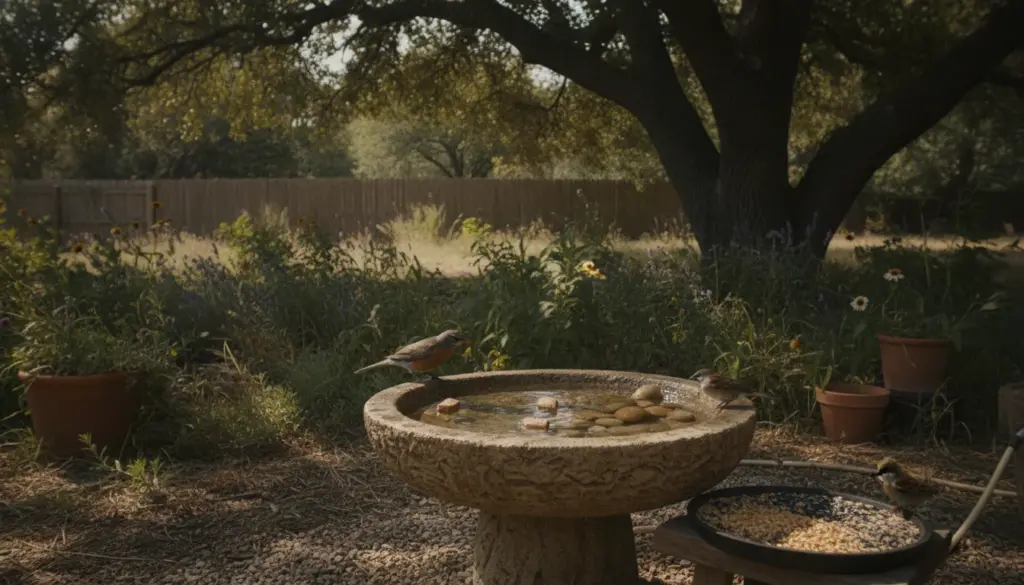
You don’t need fancy equipment—a repurposed flower pot saucer or a shallow terracotta dish works beautifully. If you want to encourage splashing as well as sipping, aim for a water depth of between 2.5 and 10 centimeters. This shallow profile allows your visitors to comfortably wash their plumage and drop their body temperature.
Finding the right location is actually more critical than the container itself. Birds will only visit a water source if they feel completely secure. While bathing, they are heavily distracted, making them incredibly vulnerable to stealthy neighborhood cats.
Always position the basin near protective shrubs or low-hanging tree branches. This gives robins, blackbirds, and other small species an immediate escape route if danger approaches. To prevent the spread of harmful bacteria, it is crucial to swap out the water every single day and scrub the surface with a stiff brush and boiling water. A highly effective trick is to rotate two separate dishes, leaving the unused one out in the blazing sun to naturally disinfect.
Setting up a mini-pond or basin brings immediate rewards for backyard nature lovers. It creates a fantastic opportunity for wildlife observation. You might catch a glimpse of a great tit swooping in for a quick sip, or watch an entire flock of energetic house sparrows vigorously splashing together.
Summer bird feeding: Providing the right nutrition safely
Parched, rock-hard soil means earthworms retreat deep underground, leaving hungry foragers empty-handed. You can offer vital energy during the demanding breeding season by putting out high-protein alternatives. Excellent options include:
- Dried insects to replace their natural prey
- Small, high-fat seeds that are easy to digest
Pay close attention to the size of the snacks you provide. Fledglings can easily choke on whole peanuts or oversized nut pieces. Additionally, human food remnants, especially bread and salty leftovers, are strictly off-limits as they can cause severe health issues.
To keep your winged visitors healthy, opt for enclosed hanging feeders over open trays or traditional birdhouses. Cylindrical silos naturally prevent droppings from contaminating the seed supply. Remember to wash these dispensers frequently and only provide small portions that will be consumed in a day or two.
More fascinating bird topics
- Attracting seed-eaters: What to feed sparrows, finches, and bullfinches
- Empty nesting boxes: Seven reasons why birds might be ignoring your birdhouse
- Preventing window collisions: Simple tricks to protect flying birds