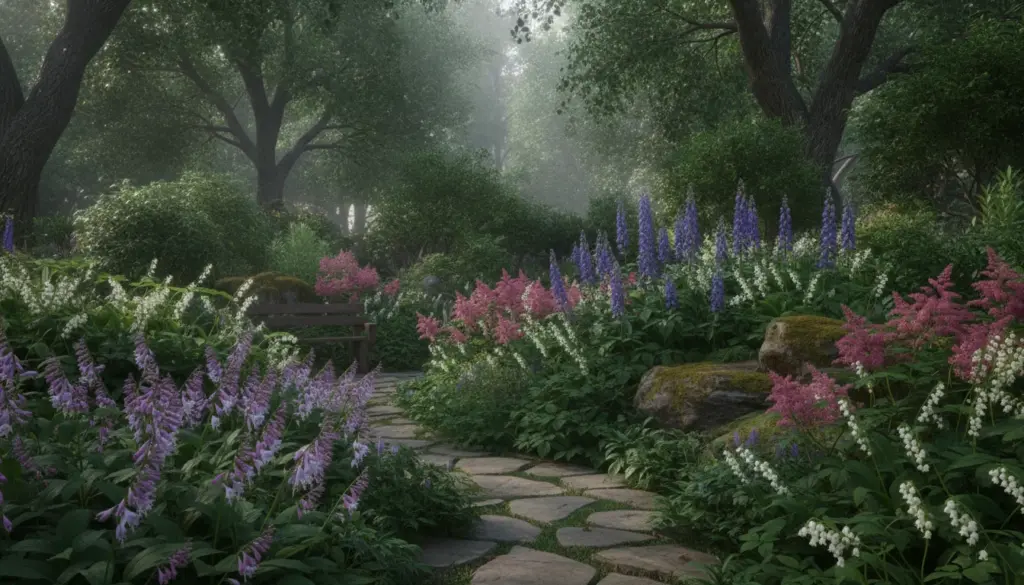
A garden completely bathed in sunshine isn’t a strict requirement for cultivating heavily scented blooms. In fact, numerous plant varieties actually prefer dimmer environments and will effortlessly fill your outdoor space with delightful aromas.
Do you have a north-facing balcony, or perhaps a yard dominated by the deep shadows of mature trees? There is absolutely no reason to abandon your dream of a vibrant, blossoming oasis. While many popular flowers constantly chase the sun, quite a few botanical treasures thrive specifically in partial shade. Better yet, a select group of these shade-lovers produces truly captivating fragrances. The following ten perennials are not only wonderfully aromatic but also fully winter-hardy, guaranteeing a reliable return to your beds year after year.
10 Fragrant and Hardy Perennials for Your Shaded Garden
- Lily of the Valley
Height: Medium
Appearance: Resembles wild garlic, featuring delicate white bell-like blooms
Flowering period: May to June
Unlike its savory lookalike, this woodland favorite doesn’t smell like garlic. Instead, it releases a remarkably refined, enchanting aroma that has long been prized in the perfume industry. A word of caution from experienced horticulturists: these elegant plants are highly toxic, so care must be taken not to confuse them with edible wild garlic. - Sweet Violet
Height: Low-growing groundcover
Appearance: Mid-sized, deep purple petals
Flowering period: March to April
Living up to their descriptive name, sweet violets produce an intensely rich, sugary fragrance that instantly signals the arrival of early spring. - Sweet Woodruff
Height: Medium
Appearance: Slender stems adorned with tiny leaves and clusters of white blossoms
Flowering period: April to June
It is easy to see why sweet woodruff is a traditional flavoring for spring punches and desserts, as it emits a spicy, vanilla-like perfume. Gardeners should note that this signature smell comes from coumarin, a naturally occurring compound that becomes toxic if ingested in large quantities. - Bleeding Heart
Height: Medium to tall
Appearance: Distinctive, teardrop-shaped flowers in pure white or pink-and-white combinations
Flowering period: April to May
This visually striking, architectural plant offers a very subtle, gentle fragrance to accompany its dramatic hanging blooms. - Foamflower
Height: Medium
Appearance: Generous floral umbels made up of tiny pink or white blossoms
Flowering period: April to June
The delicate, frothy appearance of the foamflower is perfectly matched by its equally tender, light scent. - Astilbe (False Spirea)
Height: Ranges from compact to large, depending on the specific cultivar
Appearance: Magnificent, feathery flower plumes ranging from soft pink to vibrant purple
Flowering period: May to September
A staple in shade landscaping, the astilbe rewards growers with a wonderfully fine, sweet aroma. - Hosta (Plantain Lily)
Height: Medium, though hostas primarily spread outward to cover ground
Appearance: Grown mostly for their spectacular, often variegated, broad foliage
Flowering period: July to August
When they do send up their tall floral stalks in high summer, the blossoms carry a distinctly fresh and sweet scent. - Bergenia
Height: Medium
Appearance: Elongated stalks holding small, cup-shaped flowers above leathery leaves that often turn striking red in autumn
Flowering period: March to May
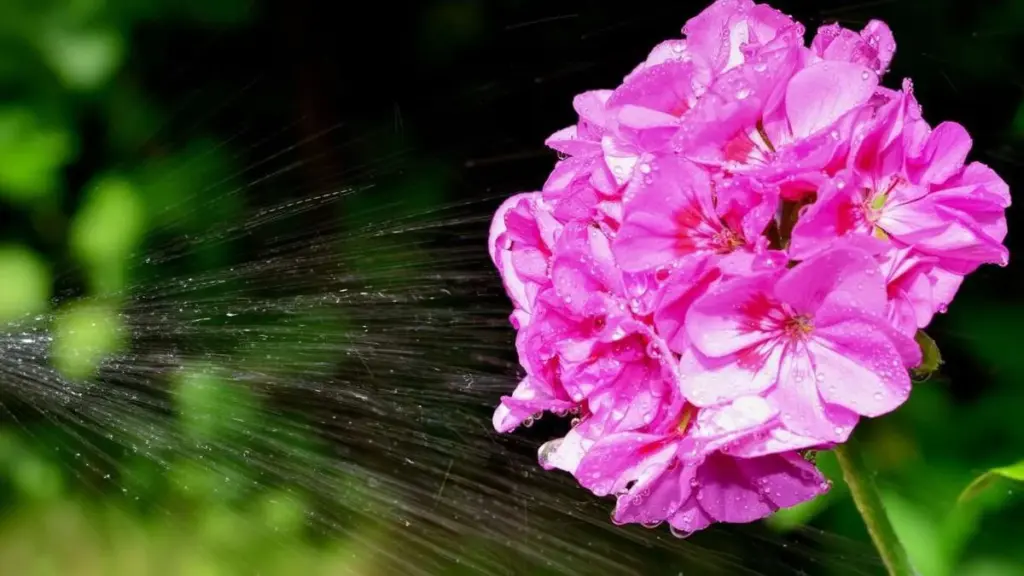
The sturdy bergenia boasts a highly pleasant aroma, though the intensity can vary significantly depending on the exact variety you choose to plant. - Cranesbill (Hardy Geranium)
Height: Low to tall, varying widely by species
Appearance: Deeply lobed, textured leaves and simple, cup-shaped flowers in an array of colors
Flowering period: May to August
The classic cranesbill typically offers a rich, herbaceous, aromatic scent. However, be mindful during selection: the specific variety known as Herb Robert is notorious for its rather unpleasant, pungent odor. - Woodland Phlox
Height: Low-growing, often adopting a creeping habit
Appearance: Small, cluster-forming bright flowers available in white, pale blue, or light lilac
Flowering period: April to May
This creeping beauty produces an incredibly potent, intoxicating perfume that closely mimics the beloved scent of blooming lilacs.
The Ideal Time to Establish Your Shade Perennials
In theory, you can lay out a brand-new perennial bed at virtually any point during the year. Potted container plants are readily available at nurseries and garden centers through every season.
However, successful establishment requires attention to moisture levels, as freshly developing root systems despise being waterlogged. Because of this, the window from early spring through late summer is generally considered the optimal planting period. Alternatively, these tough plants can successfully transition into the garden bed during dry, frost-free spells in the winter months.
Essential Facts About Fragrant Shade-Loving Perennials
Which aromatic perennials are best suited for partial shade?
A surprising number of frost-resistant plants thrive without full sun. Excellent choices include the sweet violet, lily of the valley, bleeding heart, sweet woodruff, foamflower, astilbe, hosta, bergenia, cranesbill, and woodland phlox. They require very little direct sunlight and will reliably perfume your garden year after year.
What is the blooming schedule for these shaded scent-makers?
These fragrant shade-dwellers provide floral interest from March all the way through September, depending on the species. Bergenias and sweet violets kick off the season in early spring. April welcomes woodland phlox and sweet woodruff into the mix. Finally, summer bloomers like hostas and astilbes extend the colorful display well into September, allowing you to easily design a continuously flowering border.
Which shade perennials produce the most intense fragrances?
For maximum olfactory impact, look to lily of the valley, sweet violet, and woodland phlox. The phlox emits a heavy, lilac-like aroma, while the violet is famous for its sugary sweetness. Lily of the valley is so exquisitely scented that it remains a foundational note in the fragrance industry. Conversely, varieties like foamflower, bleeding heart, and bergenia are much more understated.
When should you construct a partially shaded perennial bed?
Aim to get your plants in the ground between spring and late summer. This timeframe offers young root networks the best chance to anchor properly, as they are highly susceptible to rot in overly wet, cold soils. If absolutely necessary, you can also plant during mild, dry, frost-free winter days using standard container-grown nursery stock.
Lily of the Valley vs. Sweet Woodruff: Which has the stronger scent?
The lily of the valley is undeniably the more potent of the two. Its captivating, elegant perfume is immediately noticeable in the air. Sweet woodruff certainly smells wonderful—boasting a warm, spicy vanilla character—but it only truly releases its aromatic oils after the foliage begins to wilt. When freshly picked or growing undisturbed in the soil, its scent is actually quite faint. For a bold, garden-filling aroma, lily of the valley is the clear winner.