
Certain houseplants naturally belong to specific settings. You might spot a snake plant in a cozy cafe, admire blooming roses in a backyard garden, and almost always find a weeping fig thriving in an office corner. This familiar indoor companion is actually a tropical species that only became an indoor staple a few decades ago. So, what does it truly take to keep a Ficus benjamina happy in your living space? Far from being just a standard decorative piece, this species has a few specific demands you should know about.
Fascinating Facts About the Ficus Benjamina
Often known as the weeping fig or simply Benjamini, its botanical name translates to the “small ficus.” When placed next to its larger relatives like the fiddle-leaf fig or the rubber tree, it indeed features much more delicate, oval-shaped glossy foliage. While these tropical beauties can soar past ten meters in their natural habitat, they generally top out at around three meters when grown indoors. You can even cultivate them as beautiful miniature bonsai trees.
As the plant matures, it develops a broad, sweeping crown. The foliage can range from deep, lush green to beautifully variegated patterns. Because its older bark and leaf structure somewhat resemble a birch tree, it is frequently compared to one in various regions. Don’t expect a spectacular floral display inside your home, though. Indoor blossoms are extremely rare and quite inconspicuous, usually only appearing under the ideal conditions of a dedicated conservatory.
Choosing the Perfect Spot for Your Weeping Fig
Because its roots trace back to the tropical zones of East Asia, Australia, and Oceania, the weeping fig craves a warm and humid environment. Room temperatures should consistently hover around 20 °C even during the colder months, and absolutely never dip below 16 °C. Cold drafts are highly detrimental to its health.
Since it naturally grows as a forest tree, the plant is not accustomed to harsh, direct sunlight. Instead, provide it with bright, indirect illumination or gentle morning and evening rays. Keep in mind that variegated varieties require significantly more light than their solid-green counterparts to maintain their striking patterns. Once you find that perfect corner, leave the pot exactly where it is. This species famously despises being moved around.
The Ideal Soil Mixture for Healthy Roots
Simply tossing this plant into standard potting soil is a quick way to end up with bare branches. To thrive, a weeping fig requires an exceptionally well-draining substrate to prevent root diseases. The best approach is blending palm soil with about one-third clay granules. You want to avoid heavy, humus-rich earth at all costs, as it retains far too much moisture for this specific root system.
Proper Watering and Fertilizing Techniques
Hydrating your ficus requires a bit of an intuitive touch. The uppermost layer of the soil must feel completely dry before you reach for the watering can, yet the deeper root network should never become bone dry. Always ensure excess water can drain away freely, as waterlogging is a guaranteed way to harm the plant.
During the colder months, dry heating air can stress the foliage. You can alleviate this by regularly misting the crown with a spray bottle. A couple of times a year, feel free to gently wash off accumulated dust in the shower, making sure to wrap the pot in a plastic bag to shield the soil from becoming saturated.
Feeding this indoor tree is quite straightforward. Throughout the active growing season, apply a standard green plant fertilizer every two weeks according to the package instructions. Once winter arrives, you can drastically reduce this routine to a small dose every six weeks.
When and How to Repot
To encourage steady growth and provide fresh nutrients, plan to repot your weeping fig every two to four years. Always select a container that is only marginally larger than the previous one. Handle the transition as gently as possible, keeping in mind the plant’s intense dislike for changes in its environment.
Pruning Guidelines for a Bushy Canopy
While it tolerates trimming exceptionally well, the weeping fig doesn’t strictly demand a regular pruning schedule. However, grabbing your pruning shears in early spring is a smart move if the tree has outgrown its space or developed an unappealing shape.
You might also want to trim if:
- You want to encourage denser branching.
- Specific stems have become bare and leggy.
- A variegated tree suddenly sprouts a branch with solid green leaves. Remove these dark branches immediately, as they grow faster and will eventually overtake the beautifully patterned foliage.
Safety comes first when shaping your plant. Always wear thick gardening gloves, as the stems exude a milky, latex-like sap that can irritate the skin and trigger allergic reactions in sensitive individuals.
Safety Warning: Is the Weeping Fig Toxic?
This common houseplant is considered mildly toxic. Therefore, it is crucial to position it safely out of reach of curious pets and small children.
People with latex allergies need to be especially cautious. Not only can the milky sap cause severe skin reactions upon contact, but the tree is also known to release microscopic latex-like particles into the surrounding indoor air through its foliage.
Propagating Your Ficus at Home
Expanding your indoor jungle is quite easy using the cuttings left over from your spring pruning. Simply take a healthy branch, strip away the lower foliage, and leave just a few leaves at the very top. Plant the stem into specialized seed-starting soil and keep it in a warm, humid environment. Utilizing a small indoor greenhouse creates the perfect microclimate for fresh roots to develop.
Troubleshooting Leaf Drop and Pests
Provided its basic needs are met, this species is wonderfully resilient. However, if conditions slip, it will express its displeasure by dramatically dropping its foliage. Pinpointing the exact cause requires playing detective, as leaf loss can be triggered by practically anything: excessive heat, sudden chills, overwatering, extreme drought, improper lighting, or incorrect feeding.
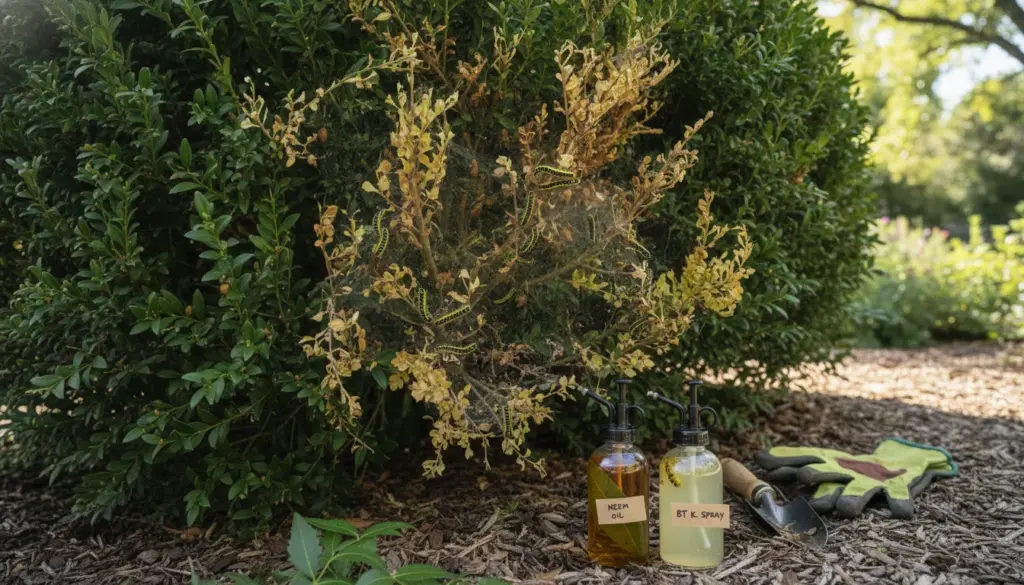
If you notice a sticky residue coating the leaves, pests have likely invaded. Scale insects are the most frequent culprits, though other sap-sucking bugs can also secrete this sugary honeydew. Treating the infestation promptly with a natural, gentle insecticide like neem oil usually resolves the issue.
Quick Summary: Essential Care Tips
What is the best location for a weeping fig?
It demands a warm, humid spot with consistent temperatures around 20 °C and zero cold drafts. Opt for bright, indirect light rather than scorching midday sun, keeping in mind that variegated types need a brighter spot. Once placed, avoid moving it.
How should I water my plant?
Allow the top layer of earth to dry out between waterings, but never let the root ball turn completely dry. Avoid standing water at all costs. Light misting helps combat dry winter air, and occasional gentle showers keep the foliage dust-free.
What is the ideal fertilizing schedule?
During spring and summer, feed the plant bi-weekly with a liquid foliage fertilizer. In the dormant winter months, scale this back to a light feeding every six weeks.
Why is my tree dropping leaves?
Leaf drop is the ultimate sign of environmental stress. It can be caused by shifting the pot to a new location, temperature fluctuations, incorrect moisture levels, or lighting issues. Reviewing your care routine will help identify the exact trigger.
What kind of soil works best?
Heavy, moisture-retaining potting mixes will suffocate the roots. Instead, create a highly permeable blend by mixing standard palm soil with about one-third clay granules to ensure optimal drainage and aeration.