Spring might be when you plant your seeds, but early summer is the ultimate moment of truth for your vegetable patch. Right now, your plants are bursting with vigor, and the way you treat them this month dictates whether you will harvest plump, flavorful fruits or face a sad display of diseased, brown foliage. If you want a truly spectacular yield, you need to act immediately. Taking care of a few crucial chores now will completely transform your harvest potential.
1. Pruning Suckers: Channeling Energy into the Harvest
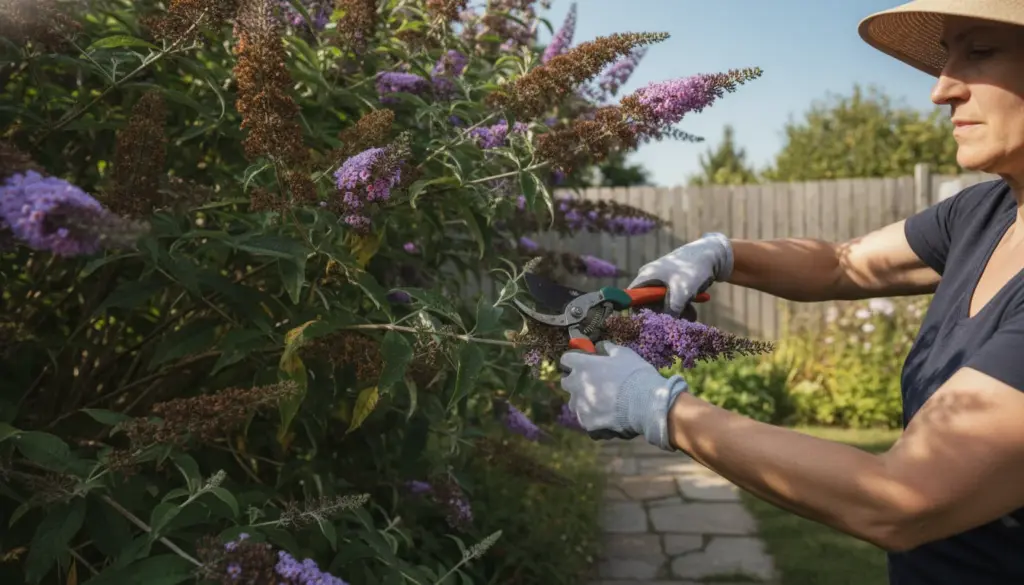
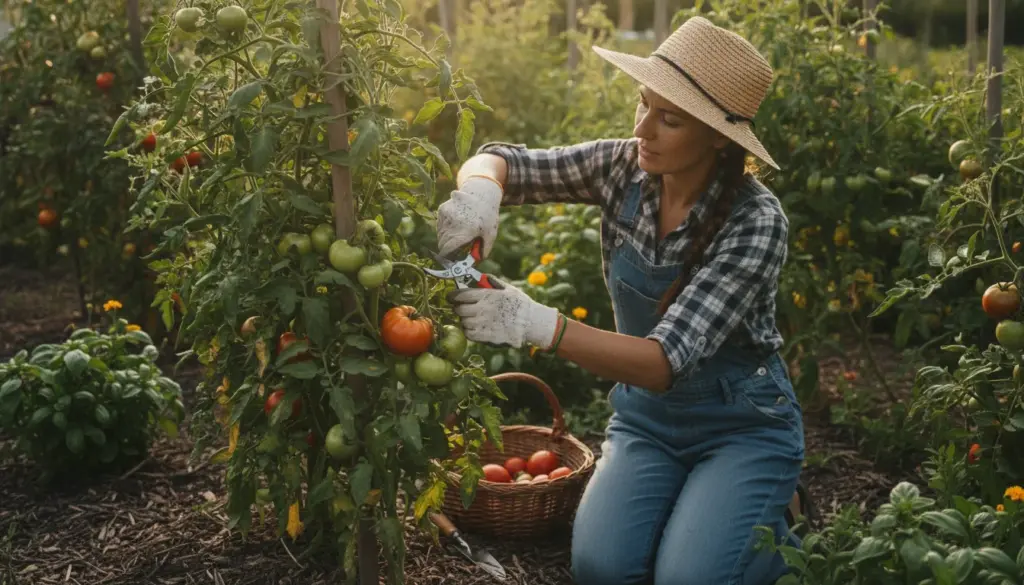
Cordon varieties constantly try to push out new growth in the crotch of their branches, which are commonly known as suckers. You should snap these off with your fingers every single week while they are still tiny. Removing these extra shoots ensures the plant focuses its valuable energy on developing big, juicy fruits rather than producing a chaotic jungle of unnecessary leaves.
2. Proper Staking: Supporting the Heavy Load
As the weather warms up, your vines will shoot toward the sky and begin forming their very first green tomatoes. To prevent these main stems from snapping under the sheer weight of a heavy crop or a brutal summer thunderstorm, they desperately need a sturdy backbone. Check and adjust your plant ties weekly, securing them firmly to spiral stakes, heavy-duty twine, or wooden poles to ensure maximum stability.
3. Smart Mulching: A Spa Treatment for Soil and Roots
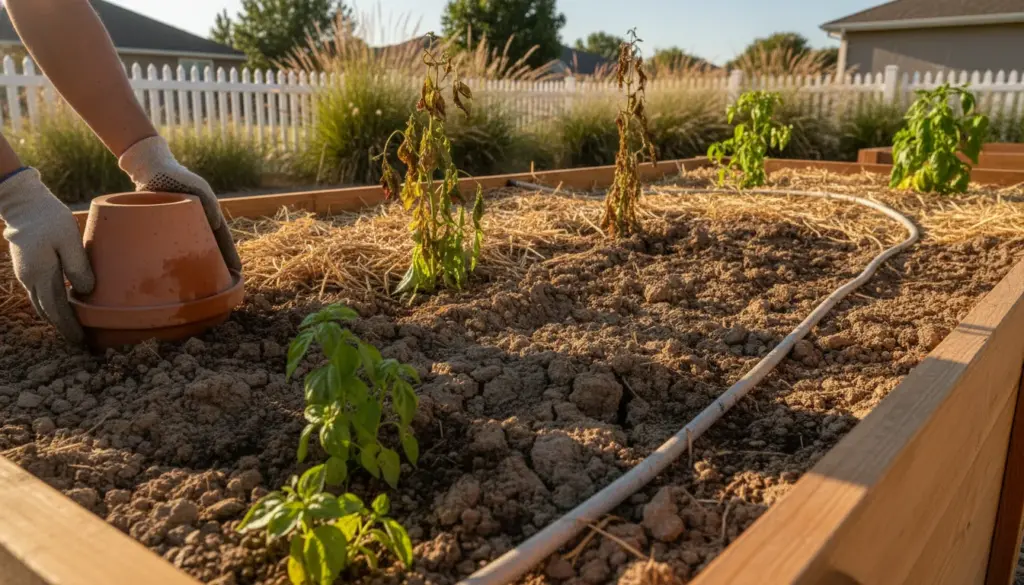
Spreading a thick layer of dried grass clippings, straw, or raw sheep’s wool across your garden beds is absolutely worth its weight in gold. This protective blanket locks in moisture and effectively suffocates annoying weeds. Even more importantly, it acts as a barrier so that infectious, disease-carrying soil doesn’t splash onto your plant’s lower foliage during heavy rain.
4. Trimming Lower Foliage: Boosting Air Circulation
While you are laying down your mulch, take a good look at the bottom of your plants. Any foliage that touches the dirt or has already started turning yellow serves as a direct gateway for harmful pathogens. Snip off these bottom leaves all the way up to the very first cluster of fruit. This simple trick dramatically improves airflow, making it incredibly difficult for fungal spores to settle and spread.
5. Consistent Watering: The Secret to Perfect Fruits
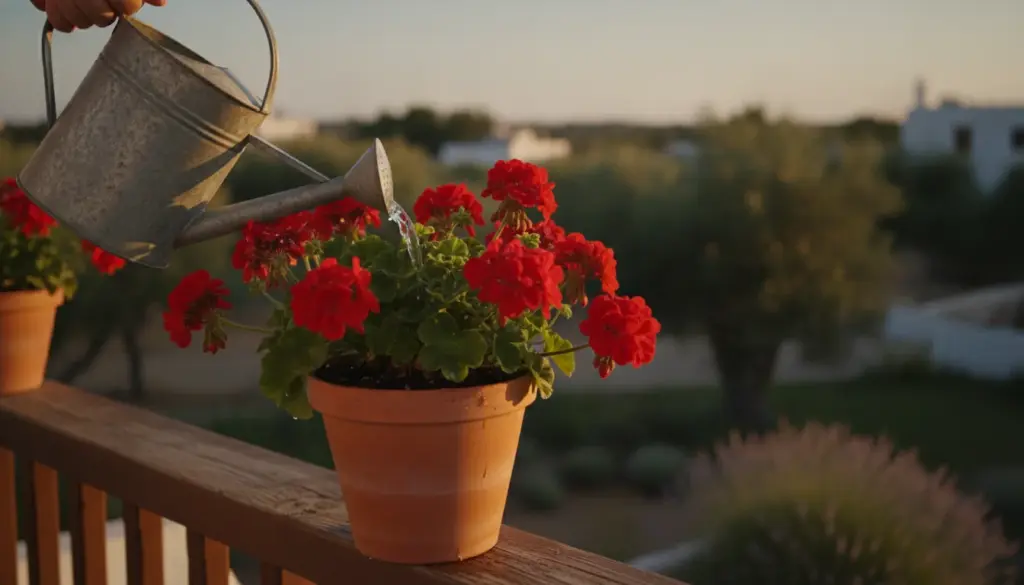
These sun-loving crops crave absolute consistency when it comes to hydration. Always deliver a deep, thorough soak directly at the soil level, being highly careful to keep the aerial parts completely dry. Dry foliage prevents dreaded late blight. On the flip side, forcing your garden through wild swings between bone-dry dirt and massive floods will almost certainly trigger cracked skins or the devastating blossom end rot.
6. Hand Pollination: A Gentle Shake for Maximum Yield
If you are growing your crops inside a stuffy greenhouse or on a balcony shielded from the breeze, the natural pollination process can easily grind to a halt. You can easily step in and play the role of Mother Nature. Give the flower clusters a gentle tap or shake right around midday. This tiny vibration is all it takes to release the pollen and guarantee a massive set of fruit.
7. Heavy Feeding: Fueling the Summer Growth Spurt
Because these vigorous growers are notorious heavy feeders, their appetite hits an absolute peak by early summer. Whatever nutrients you mixed into the dirt back in spring are likely completely depleted by now. Apply a rich organic fertilizer weekly, such as a potent nettle tea or nutrient-dense sheep wool pellets. This provides the essential fuel required for rapid growth and incredibly aromatic tomatoes.
8. Vigilant Pest and Disease Control: Stopping Trouble Early
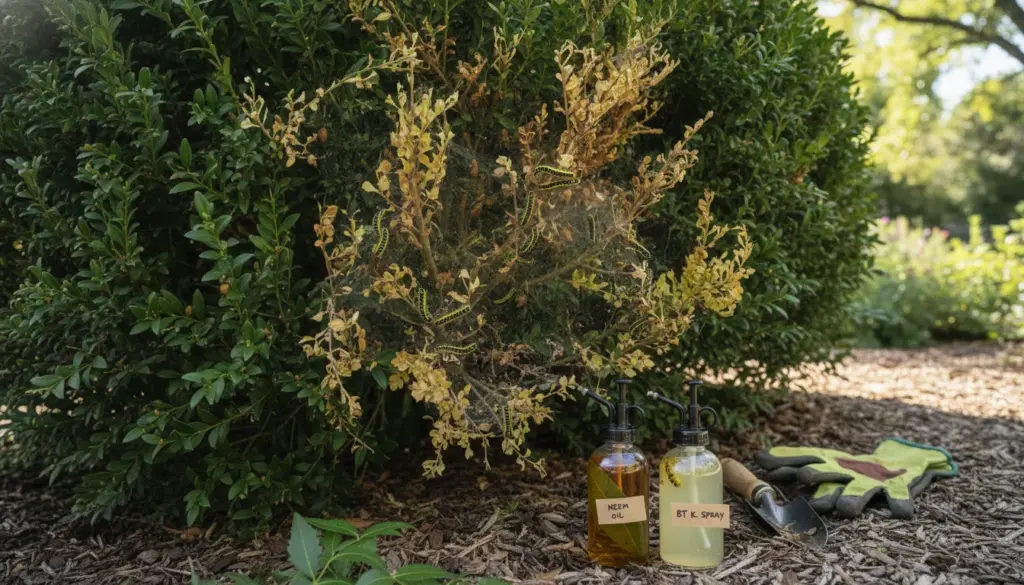
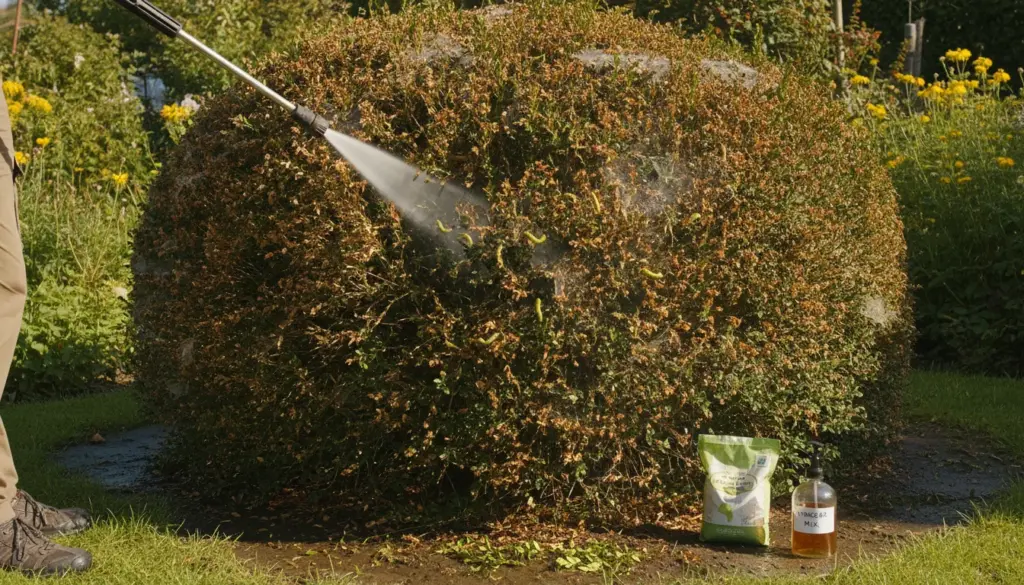
Make it a habit to inspect your garden beds thoroughly and frequently, keeping a sharp eye out for hungry caterpillars or destructive aphid colonies. Catching an infestation early makes it infinitely easier to manage and minimizes long-term damage. You also need to watch for early disease symptoms, like strange leaf curling or unusual fruit discoloration. Swift, decisive action is the only way to stop ruthless bacterial and fungal infections in their tracks.
By strictly following these straightforward but highly effective maintenance steps this month, you are setting the stage for a legendary late-summer garden. Stay consistent, monitor closely, and prepare yourself for an absolute jackpot of healthy, homegrown produce.