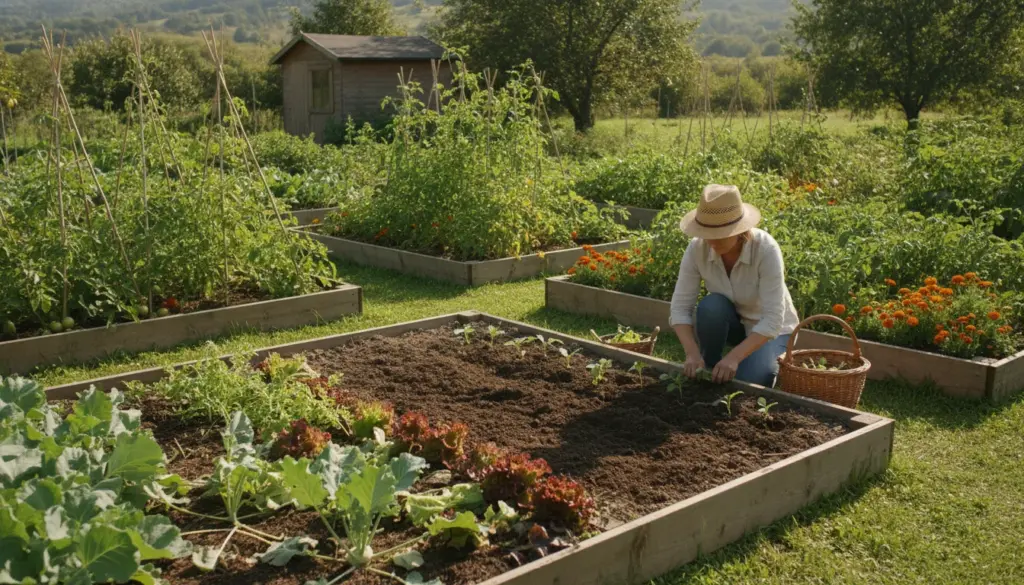
Is your garden bed sitting empty once the early summer greens are picked? Failing to replant strategically can lead to depleted earth and disappointing yields down the line. Understanding the right sequence of crops makes all the difference for long-term cultivation success.
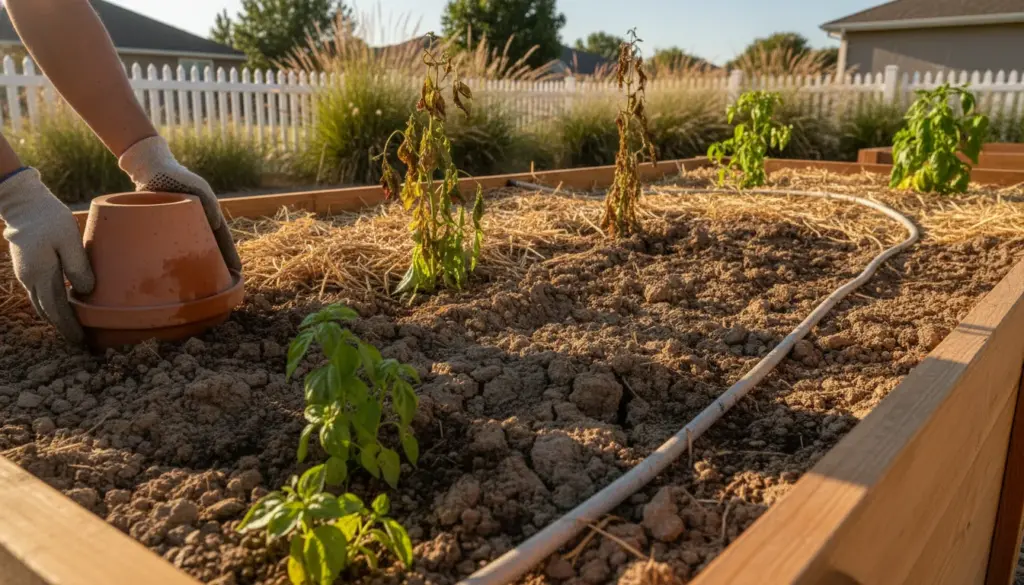
Once June or July rolls around and you’ve gathered your first batches of kohlrabi, lettuce, and similar greens, you’ll inevitably notice bare patches in your vegetable patch. To prevent the earth from becoming “tired” and structurally poor, conservation experts highly recommend filling those vacant spots promptly for the upcoming growing season.
However, choosing the right successor plants is absolutely crucial. Planting the wrong varieties risks exhausting the soil, leading to stunted growth, poor flowering, or a lackluster harvest. Furthermore, weakened crops become incredibly vulnerable to devastating diseases and garden pests, making a proper crop rotation strategy essential for any home grower.
Here is a highly effective, five-year rotation plan to keep your dirt thriving:
- Year one kicks off with a green manure crop, utilizing fast-growing options like peas or clover to naturally enrich the earth.
- During the second year, you can introduce heavy feeders, which include nutrient-hungry plants such as zucchini and tomatoes.
- The third year is ideal for moderate feeders, allowing vegetables like carrots or Swiss chard to flourish without overtaxing the environment.
- In the fourth year, transition to light feeders, planting low-maintenance crops like radishes or onions.
- By the fifth year, the cycle simply resets, beginning again with another restorative round of green manure.
Key Considerations for Plant Selection
Achieving a bountiful harvest requires careful curation of your successive plantings, as not all vegetables are compatible neighbors or successors. While monitoring nutrient demands—balancing heavy, moderate, and light feeders—is vital, it is only one piece of the organic gardening puzzle.
Botanical family relationships play an equally significant role in bed planning. As a golden rule, crops belonging to the identical plant family must never be grown in the exact same spot during consecutive years. Familiarizing yourself with these common plant groupings can save your future harvests:
- Cruciferous plants: This group features cabbage and radishes, alongside ornamental garden favorites like wallflowers and honesty.
- Nightshades: Classic vegetable staples, including demanding crops like tomatoes and potatoes, belong to this family.
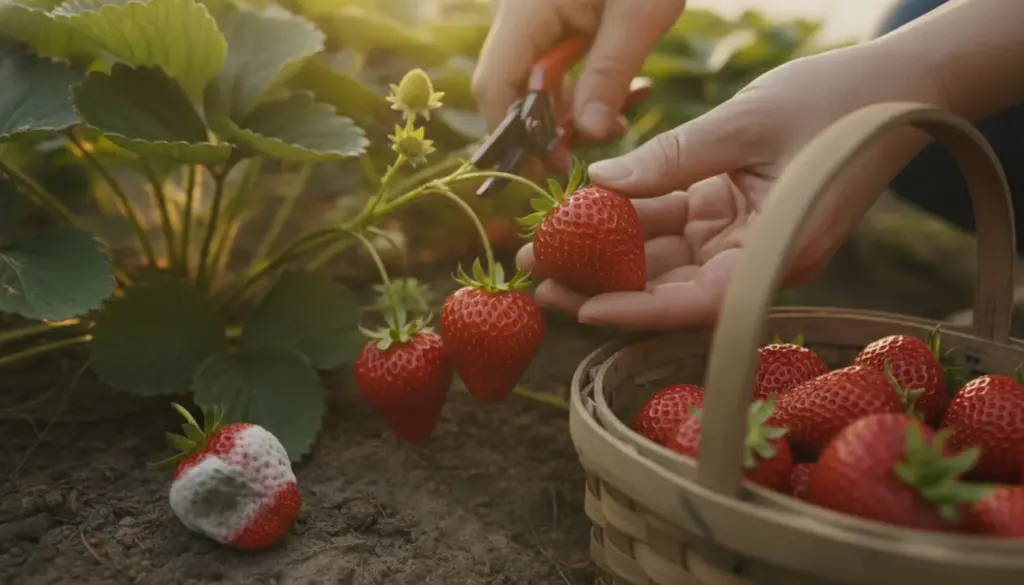
- Rosaceae: Berry varieties like strawberries and raspberries fall under this category, as well as cinquefoil.
- Umbellifers: Aromatic additions such as dill, caraway, and fennel are all members of this distinct botanical group.