While many gardening enthusiasts automatically associate Mediterranean plants with relentless sunshine and bone-dry soil, applying this assumption to your fig tree could cost you your entire harvest. Fig hydration is actually quite nuanced, with significant differences depending on whether your plant lives in a container or out in the open garden. An experienced expert from a Viennese organic fig farm shares exactly why reaching for the watering can during summer is crucial, but also how overdoing it might ruin your chances of enjoying sweet, homegrown fruit.
Mastering Hydration for Potted Fig Trees
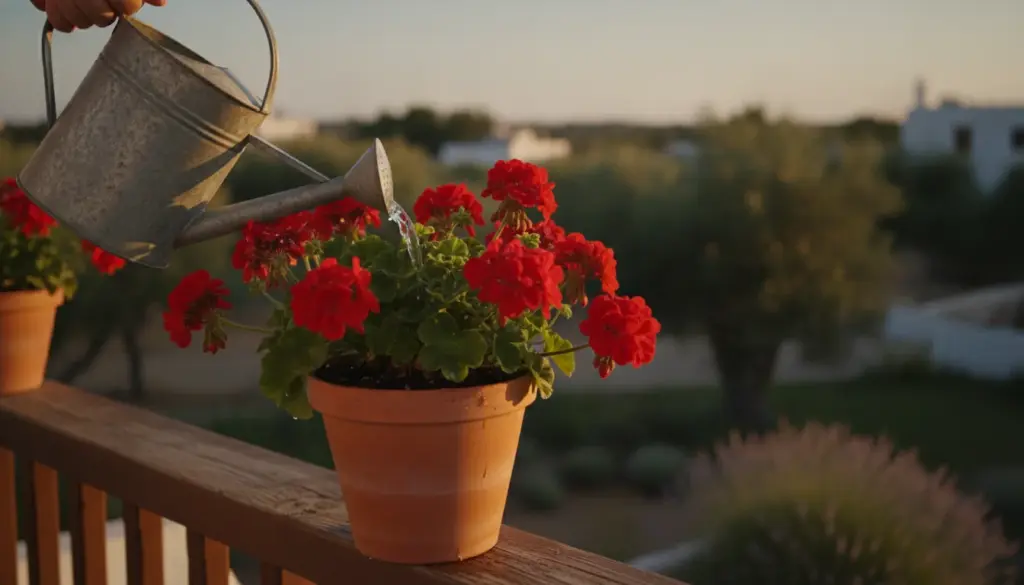
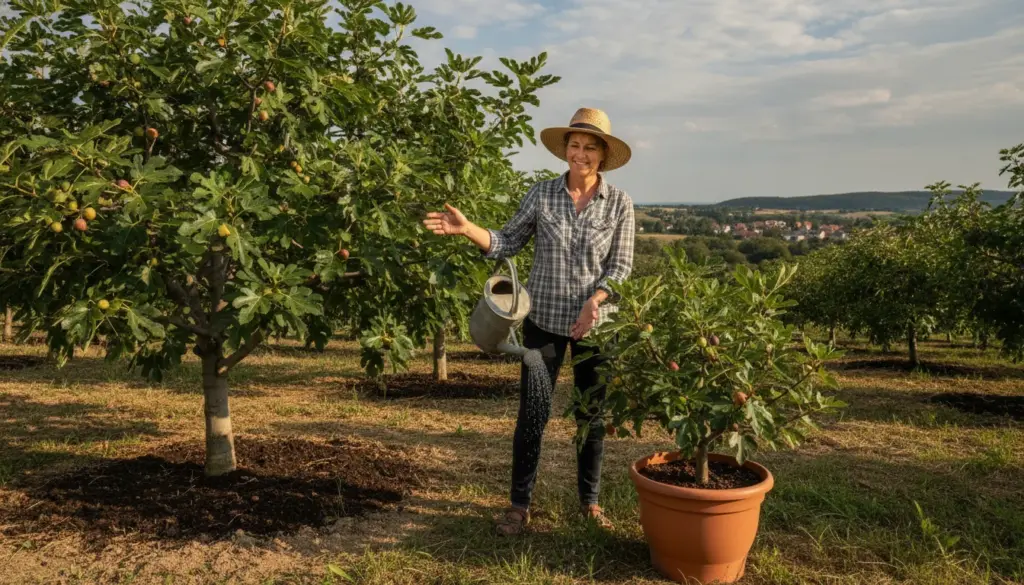
Container-grown figs demand a delicate touch, especially when temperatures begin to soar. During intense heatwaves and the crucial fruit-ripening phase, these potted beauties require substantial, regular watering. However, when summer days turn slightly cooler, their thirst drops off significantly.
To hit the sweet watering spot, professionals swear by the 10-percent rule. If you pour one liter of water into your container, exactly 100 milliliters should drain out of the bottom. This clever technique ensures the root ball is thoroughly soaked while simultaneously flushing out excess salts, such as sulfate and sodium compounds. Morning is the ideal time for this task, and setting up a simple drip irrigation system can make the process entirely effortless.
As the seasons shift into spring and autumn, you should drastically reduce your watering frequency. During colder stretches, provide just enough moisture to keep the soil from completely drying out, and never leave standing water in the saucer. If your plant is overwintering in an unheated greenhouse, watering once every three to five weeks is usually perfectly adequate.
Essential Watering Guidelines for Fig Trees
- Embrace standard tap water: Fig trees thrive when given alkaline, calcareous water, making everyday tap water an excellent choice.
- Perform weekly summer checks: Monitor your plant closely throughout the hottest months. If the leaves begin to droop, provide immediate hydration!
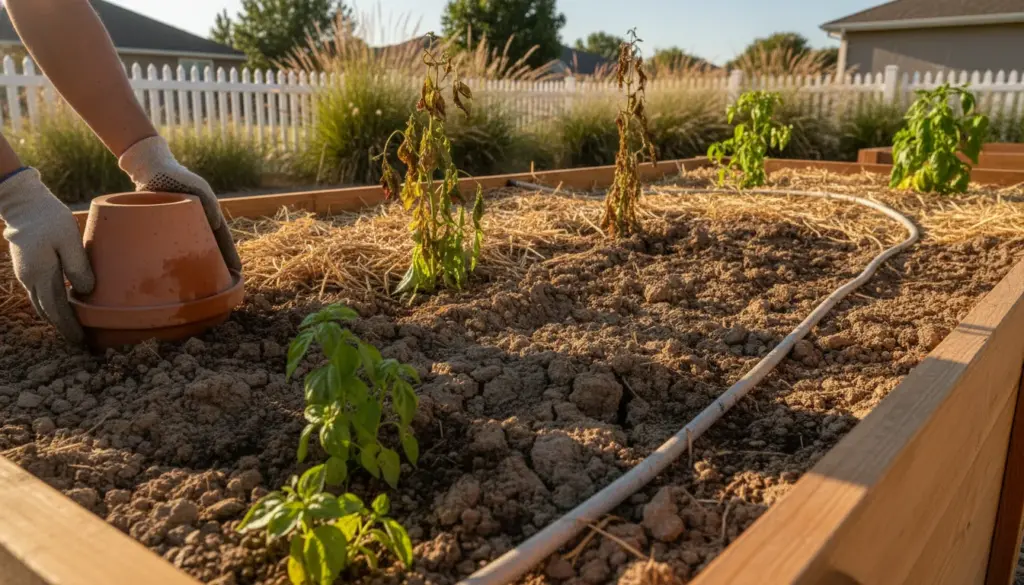
- Banish waterlogging: Always empty the runoff saucer under potted plants. For garden beds, ensure excellent soil drainage to keep the root system breathing.
Watering Garden-Planted Figs: Why Less is More
Once a fig tree is established directly in the garden soil, your watering strategy must change entirely. During dry summer months, the golden rule is deep, infrequent interval watering. In the critical first two years after planting, you actually want to train your young tree to endure longer dry spells. This mild stress encourages the roots to reach much deeper into the earth.
For sandy soils, aim for a thorough soak once or twice a week. If you are dealing with heavier clay soil, watering every one to two weeks is completely sufficient. By holding back slightly, you force the plant to seek out hidden moisture in deeper soil layers, ultimately creating a much more resilient, drought-tolerant tree.
If Mother Nature delivers heavy rainfall exceeding 15 millimeters (or liters per square meter), you can skip your watering duties entirely. Proper ground drainage is non-negotiable. Incorporating coarse gravel or crushed stone into the surrounding soil prevents fatal waterlogging. If puddles remain long after a rainstorm, your soil is likely too compacted, which suffocates the roots and can lead to the plant’s rapid decline.
Adjusting Care Based on Tree Age and Season
Understanding the life stage of your fig tree is vital for proper moisture management. Young saplings in their first two years need careful attention. Whether in a pot or the ground, they require consistent hydration during extreme heat and fruit development to establish successfully.
Mature trees in the landscape, however, are highly self-sufficient. They generally only need rare but very deep watering sessions during prolonged droughts, or exactly when new fruits start swelling. During the winter months, garden-planted trees only need a generous soak on mild, frost-free days to prevent frost drought. For potted specimens in winter, simply stick to the finger test and provide minimal water roughly every three weeks.
Boosting Hydration During Heatwaves and Fruit Ripening
Regardless of whether your fig tree lives in a patio container or a dedicated garden bed, there are two distinct phases when its thirst skyrockets. When summer heatwaves hit and the moment those tiny green fruits begin to mature, the plant’s overall energy demands peak.
During these critical developmental windows, your tree needs abundant liquid to produce large, exceptionally juicy figs. Adjust your typical routine to accommodate this sudden surge in water intake. Supply generous amounts of moisture to support the ripening process, while always keeping a watchful eye out to prevent any risk of root rot.