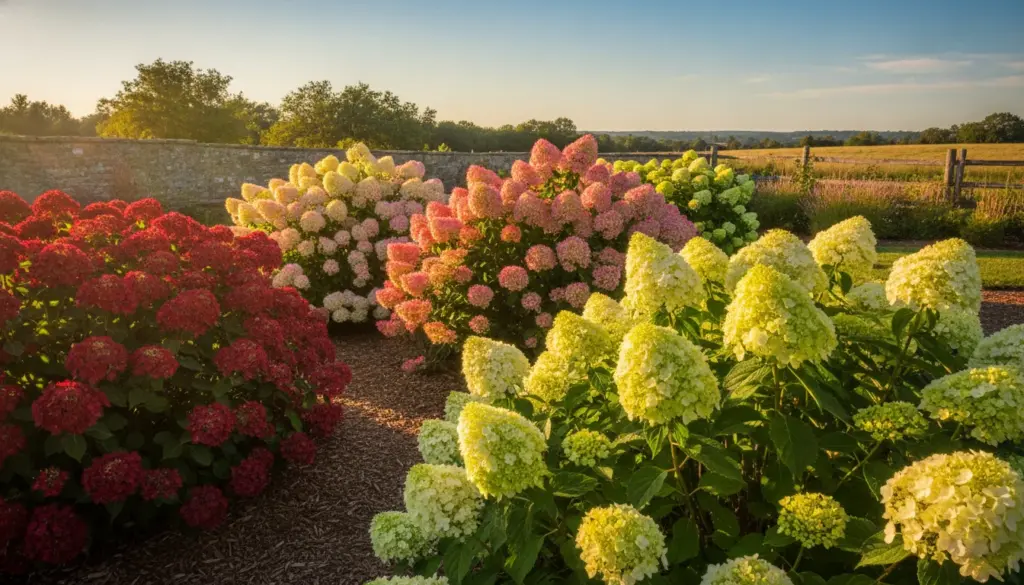
Hydrangeas are quintessential summer bloomers, but intense sunshine and prolonged dry spells can quickly take a toll on them. While many varieties appreciate some sunlight, the increasing frequency of heatwaves means even the hardiest plants experience significant stress. As a gardening enthusiast, stepping in to support your plants during these peak temperature spikes is absolutely essential to keep them thriving.
Thirsty beauties: Why intense heat requires extra attention
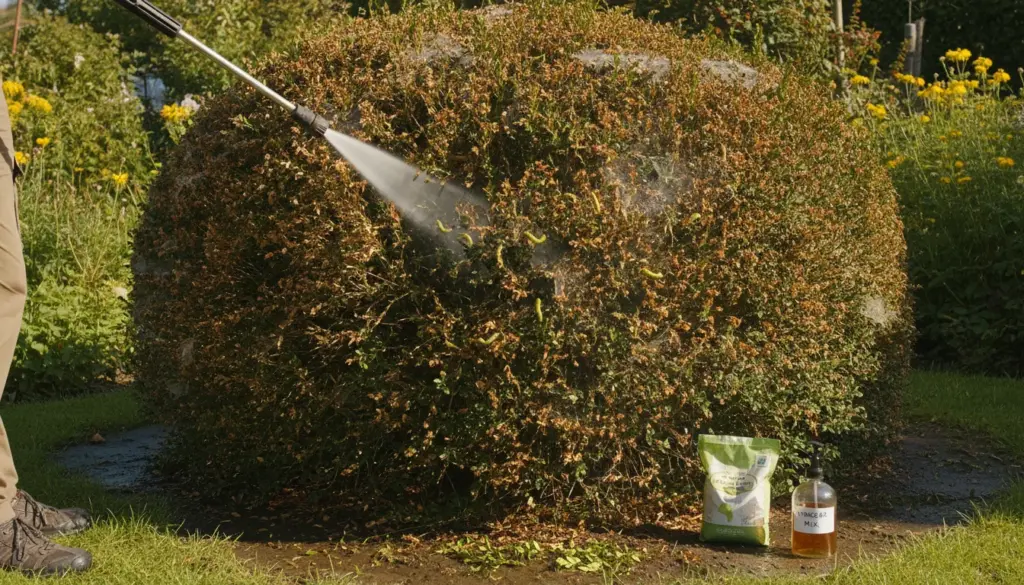
As scorching days pile up, your entire outdoor space often begins to suffer. Grass develops scorched patches, and delicate blooms start drooping towards the ground. Unsurprisingly, these severe heatwaves put massive strain on your hydrangeas. In fact, their botanical name, Hydrangea, translates to “water jug,” which perfectly hints at their insatiable thirst for moisture.
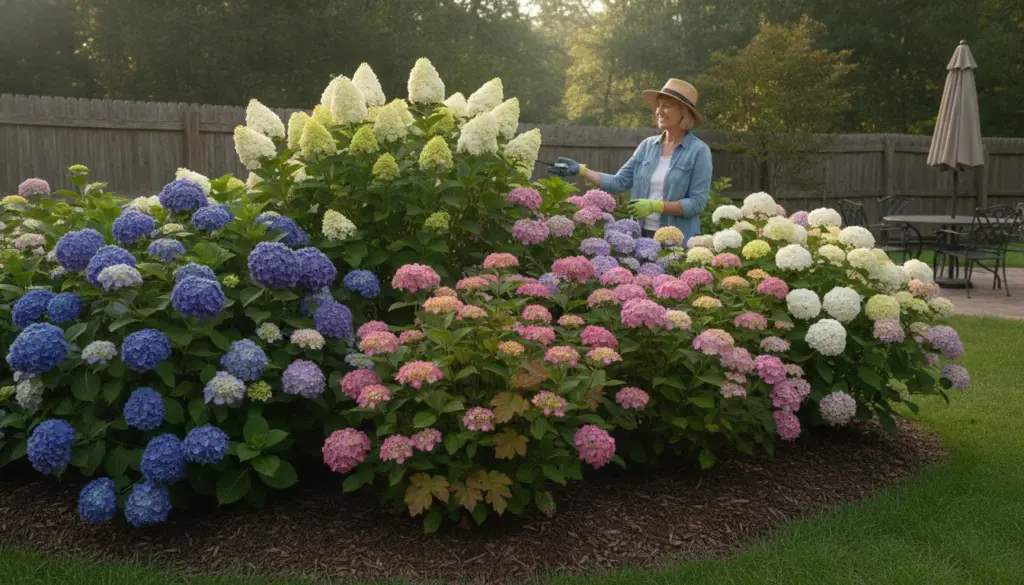
Whenever the soil dries out for extended periods, you will quickly notice both the blossoms and foliage losing their vigor. Generally speaking, older heritage cultivars show much more resilience than modern varieties specifically bred for massive, showy flower clusters. Furthermore, varieties like the Asian panicle hydrangea naturally tolerate arid conditions much better thanks to their geographical origins. Fortunately, a few simple adjustments can make blazing afternoons much more bearable for every type of hydrangea in your yard.
Tip 1: Choose the perfect planting spot
Picking the optimal location drastically minimizes heat-induced stress throughout the warmest months. As a general rule, hydrangeas thrive beautifully in partial shade. Though certain types, such as the smooth hydrangea, can adapt to sunnier environments, it is always better to err on the side of caution. If you notice your plant baking under relentless rays, setting up a temporary parasol or a shade sail provides excellent emergency relief.
Additionally, these stunning shrubs prefer company rather than total isolation. Selecting companion woody plants native to your hydrangea’s original habitat creates a highly beneficial microclimate. Finally, working a high-quality hydrangea fertilizer into the earth ensures the soil holds the right nutrients to build robust heat resilience.
Tip 2: Master the morning and evening watering routine
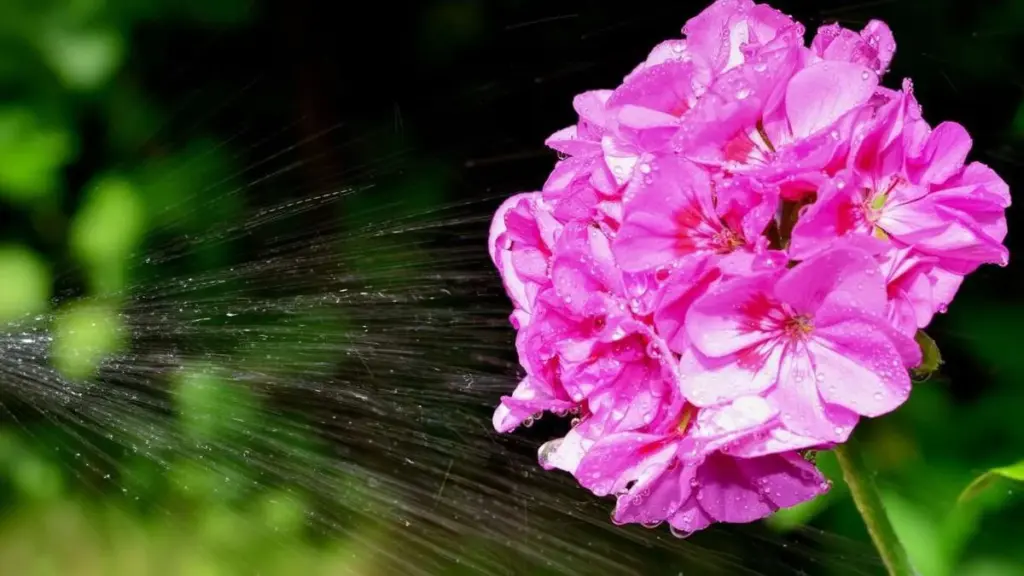
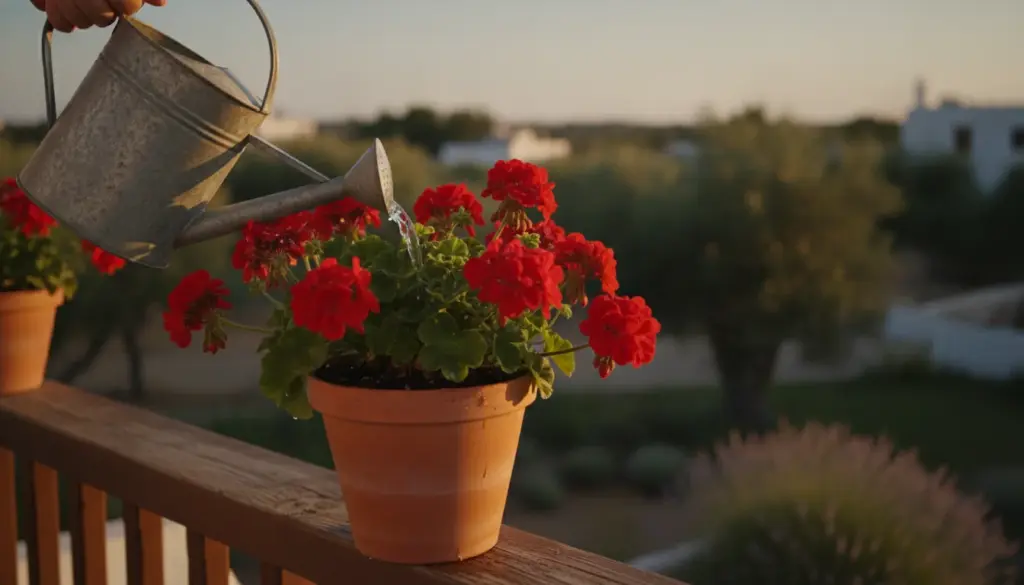
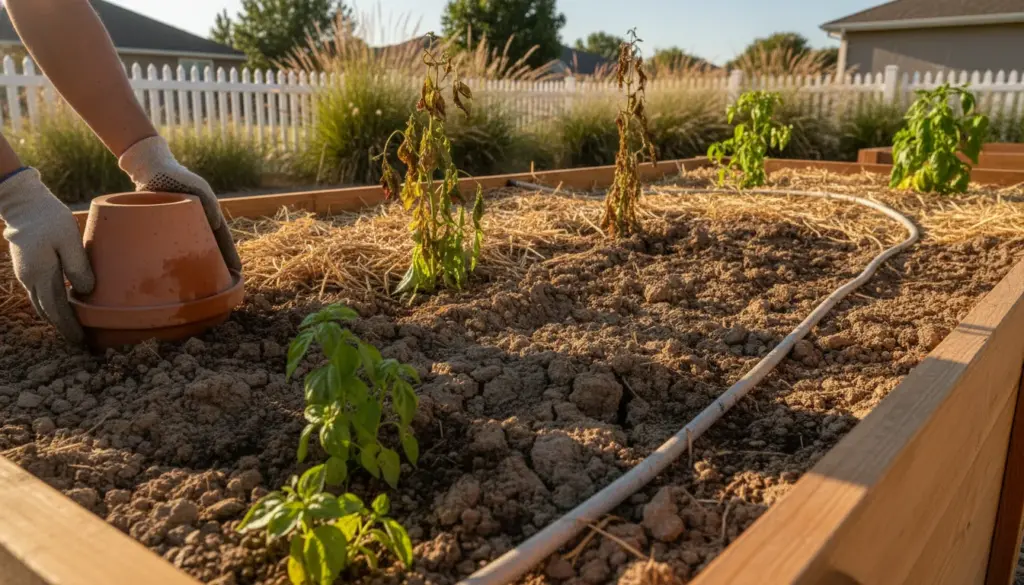
Generous hydration is the true secret to keeping these thirsty plants thriving. To prevent them from drying out while the sun beats down, you must establish a consistent morning and evening watering schedule during heatwaves. However, it is crucial to avoid waterlogging at all costs, as standing water destroys the root system.
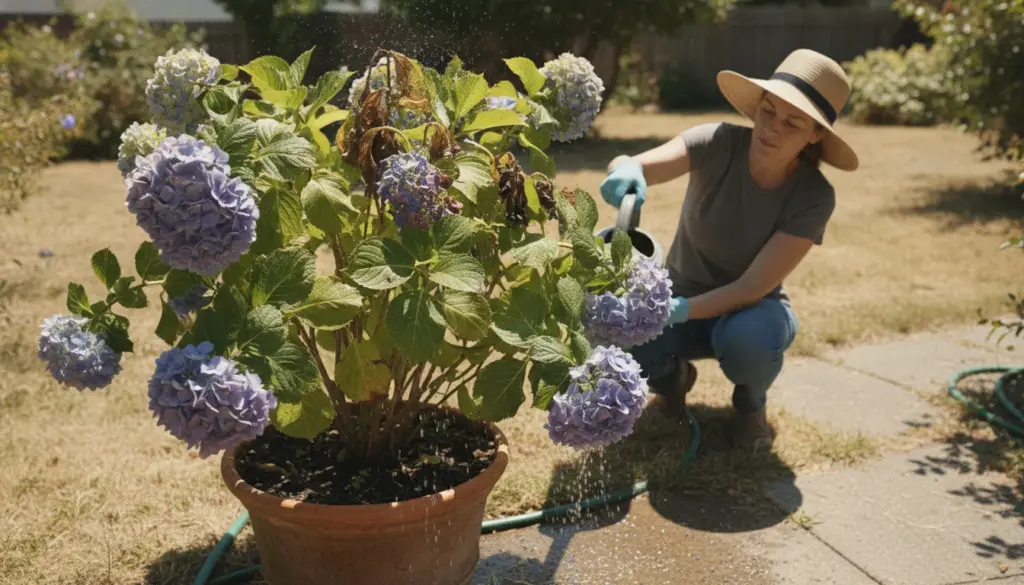
A deep, thorough soaking in the evening allows the shrub to properly “recharge” its moisture reserves overnight. Once morning rolls around, a lighter sprinkling is usually enough to maintain crucial soil humidity. For those growing hydrangeas in containers, fully submerging the entire pot in a basin of water once or twice a week works wonders for restoring vitality.
Tip 3: Shield potted plants on balconies and patios
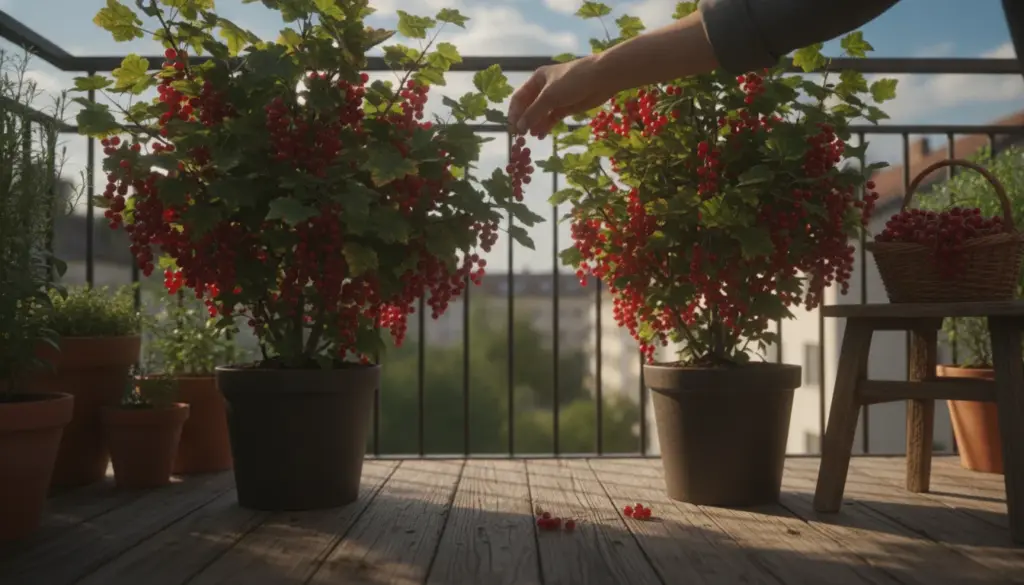
Countless gardeners choose to cultivate their hydrangeas in decorative tubs or window boxes instead of traditional garden beds. During the peak of summer, these container-grown beauties require specialized attention. Dark-colored pots absorb heat incredibly fast, causing the potting mix to dry out at an alarming rate. Relocating these containers to a shadier spot is a highly effective defensive move.
Furthermore, masonry and house exterior walls absorb massive amounts of thermal energy throughout the day, radiating it directly onto nearby patio plants. Pulling your containers away from the brickwork, or gently hosing down the adjacent wall with cool water in the evening, creates a much more forgiving environment for your delicate blooms.