Spotting the Stealthy Invader
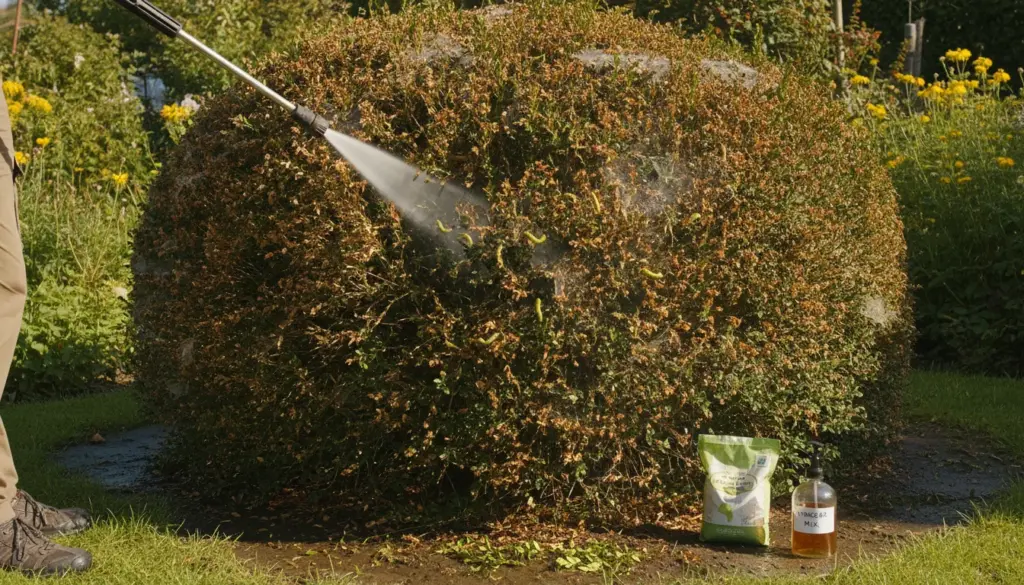
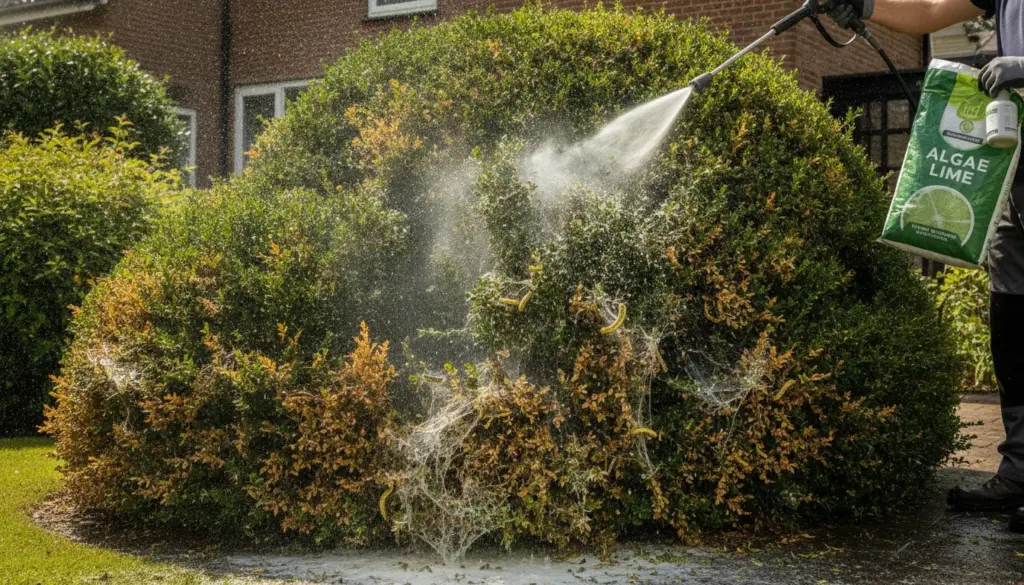
Noticing discolored foliage and delicate silken webs on your shrubs is a major red flag. Fortunately, you can effectively banish this invasive pest using a simple combination of a pressure washer, algae lime, and a standard vinegar solution.
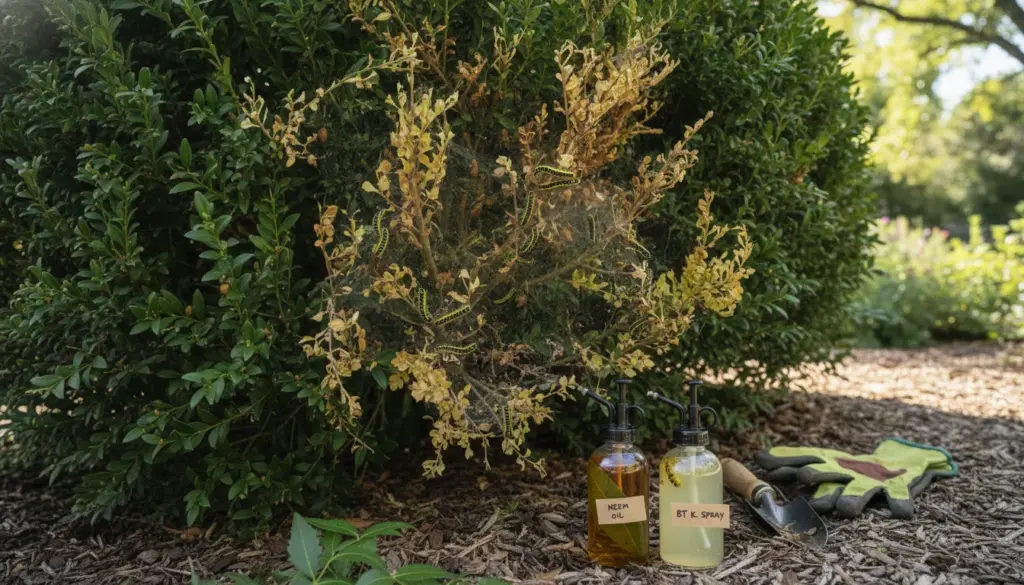
This destructive Asian insect usually arrives without warning, feeding relentlessly while remaining hidden deep within the foliage. By the time you finally spot the first brown patches, the caterpillars have likely already caused severe damage. They systematically consume the shrub from the inside out. Yellowish-brown, almost translucent leaves paired with fine webbing are the primary warning signs that your plants are under attack.
Proven Natural Remedies to Stop the Damage
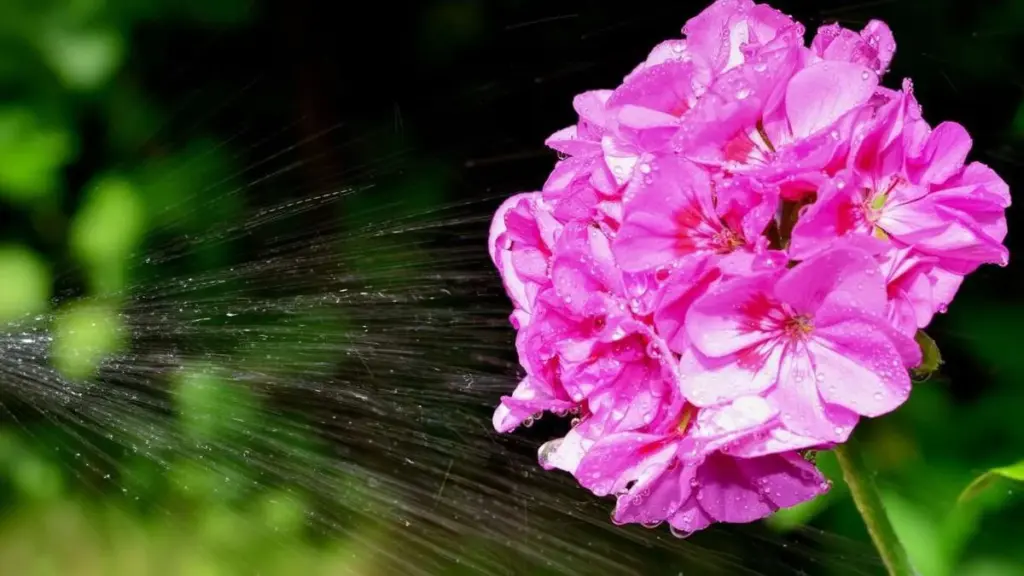
Before reaching for harsh chemical treatments, there are highly effective natural strategies you can deploy. One widely successful approach, particularly useful for extensive hedges, involves the mechanical removal of the caterpillars.
However, another powerful organic treatment takes preventative action to the next level. This specific method disrupts the life cycle completely by stopping newly laid eggs from ever hatching into hungry larvae.
Why Popular Hacks Often Fail
Many gardeners immediately reach for traditional DIY solutions like baking soda, which is normally excellent for treating fungal issues or aphids. Surprisingly, this common pantry staple is entirely useless against these specific, voracious caterpillars.
Instead of relying on ineffective hacks, focusing on the correct timing and application of targeted natural treatments in your yard is the true secret to long-term success against this stubborn pest.
Further Expert Strategies for Healthy Shrubs
Tackling an infestation early requires a multi-step approach to keep your greenery thriving. When managing a severe caterpillar plague, keep these essential tactics in mind:
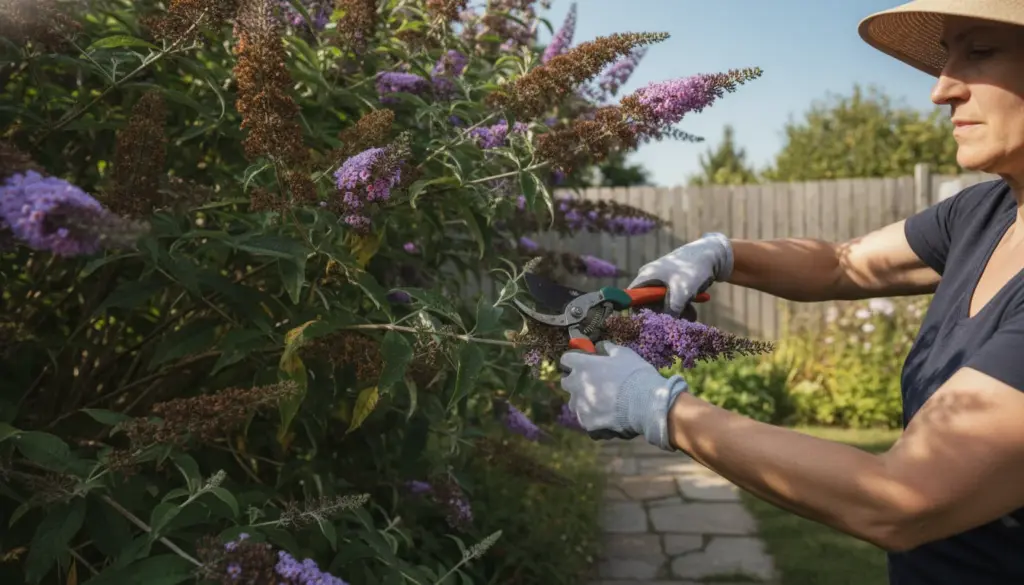
- Vigorous pruning: Cutting back heavily affected branches can immediately drive the pests out and encourage fresh growth.
- Early detection: Regularly inspecting the hidden, inner branches ensures you catch the invasion before it spreads out of control.
- Structured care: Following a consistent, multi-point maintenance plan is vital for keeping your ornamental plants resilient and healthy year-round.